According to the National Coalition Against Prescription Drug Abuse, more than 100,000 drug overdoses happen yearly. Up to 60 percent of those overdoses involve fentanyl. Due to its potency, fentanyl is highly addictive, requiring someone struggling with addiction to seek rehab and treatment. The National Institute on Drug Abuse reports that more than 2.5 million Americans report using or abusing opioids each year, and some of this usage includes fentanyl or drugs laced with the substance. There is a severe issue with opioid and Fentanyl use, and the stakes are high with the high number of overdoses.
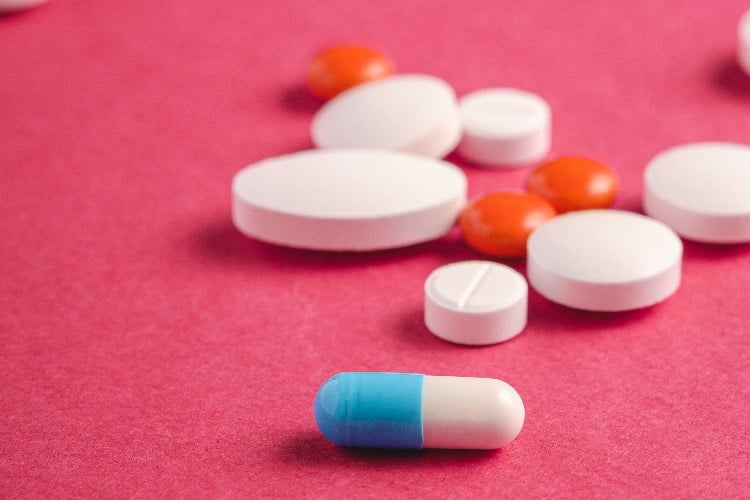
Similar to morphine, fentanyl is a synthetic drug in the opioid family. However, it’s between 50 and 100 times more potent than morphine. Fentanyl is a prescription medication typically prescribed for extreme pain after surgery. However, some people use fentanyl illegally or abuse a prescription. They use the drug to get high and can experience some of the following:
Sleepiness
Extreme euphoria and happiness
Sedation
Unconsciousness
Constipation and nausea
Confusion
Many people who struggle with alcohol addiction are hesitant to get help. They worry that admitting that they struggle with alcohol or entering an alcohol rehab will force them to change their lifestyle. Most people are unwilling to give up their coping mechanisms for dealing with day-to-day stress, disappointment, and depression.
Unfortunately, this unwillingness to seek help at an alcohol rehab is what leads alcoholics to stay stuck in the spiral of addiction. There is no cure for Alcoholism, but there is a solution.
Fentanyl-Laced Drugs
One of the biggest dangers of fentanyl is that some illicit opioids and other drugs are sold with the addition of fentanyl without the buyer knowing. A person struggling with opioid and drug addiction might be using fentanyl and running the risk of overdose without knowing it.
These drugs are created to look like opioid pills, and fentanyl is added to enhance the substance’s potency. As all of these drugs are highly addictive substances. A person who uses them occasionally can quickly become addicted and begin to abuse the substance.
Signs of Fentanyl Abuse
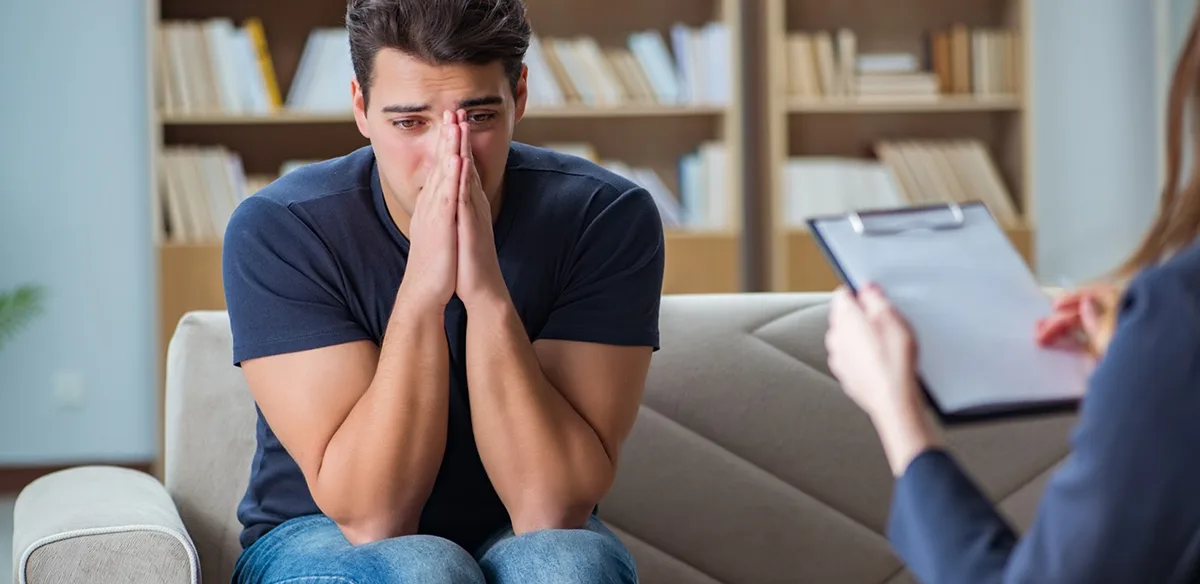
It can be challenging for the person struggling with addiction or their family members to know when the person has crossed the line from medical usage to addiction. Since fentanyl and other opioids are highly addictive, it’s essential for people to recognize the signs of fentanyl abuse.
The signs and symptoms of fentanyl abuse include:
Visiting many hospitals and doctors to get new prescriptions
Buying pills from a source other than a pharmacy
Withdrawing from friends and family
Constantly craving fentanyl
Inability to stop using fentanyl and other opioids
Problems with work and school due to fentanyl usage
Stops doing things they enjoy
Stealing or lying to get money to buy fentanyl and other opioids
When a person using opioids or a family member recognizes these symptoms, they must seek treatment for addiction to fentanyl quickly to avoid the possibility of an overdose.
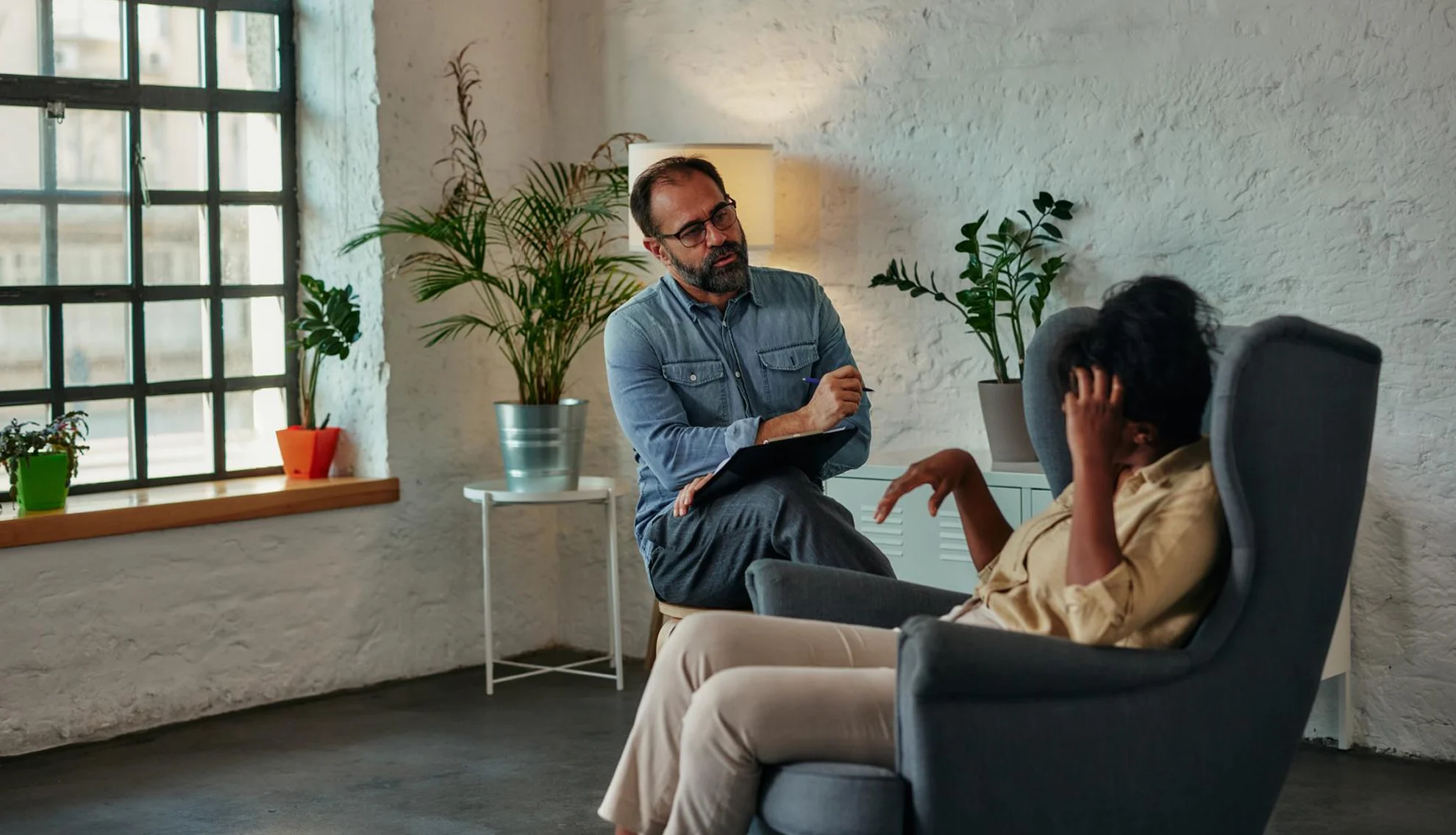
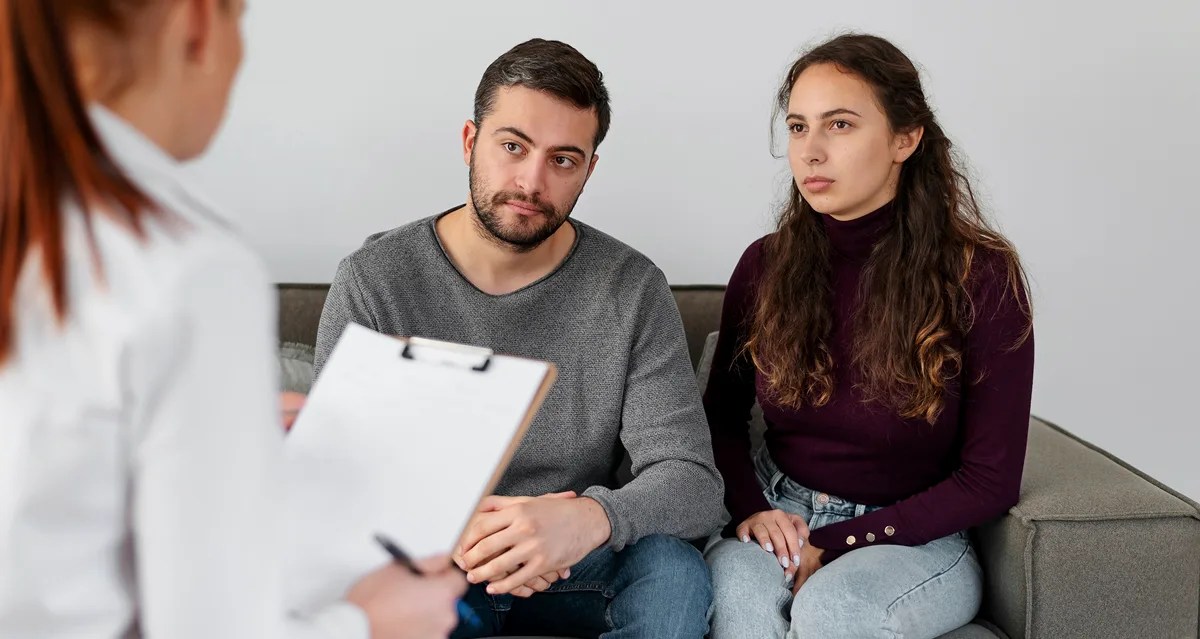
When someone struggles with addiction, their best option to beat it and return to a sober lifestyle is fentanyl rehab. They must seek the therapy needed to build the emotional tools they need to stay drug-free. Of course, the type of fentanyl addiction treatment can vary from one person to the next. People struggling with fentanyl addiction should understand their treatment options to make the right choice for recovery. A person might need to start with detox and then choose either a residential or outpatient for therapy and recovery.
Detox for Fentanyl
This is almost always the first step in a fentanyl addiction treatment program. During this period, the person struggling with addiction stays in a facility under the watchful eye of medical professionals while they stop taking fentanyl, and the drug leaves their system. This isn’t a step-down program. The patient stops using fentanyl completely. Detox and withdrawal from fentanyl can have severe physical and emotional symptoms, which is why this step occurs under medical supervision. The patient is constantly monitored, and in some cases, they might receive medication to offset the worst of the withdrawal symptoms to ensure their health and safety.
Residential Treatment for Fentanyl
Once the patient has gone through detox and the withdrawal symptoms are under control, they need counseling and therapy to help. This can mean one-on-one therapy, group therapy, and family therapy. A residential program for fentanyl addiction treatment allows the patient to start building these tools. They can work on their foundation of sobriety without the pressure and triggers of everyday life. It also provides the time and building blocks of a support network to rely on. The patient stays in a facility day and night for an extended period.
Outpatient Treatment for Fentanyl
Some patients go directly from detox to outpatient treatment, while others go through residential treatment. During outpatient therapy for fentanyl addiction, the patient lives at home and returns to normal activities, such as work or school.
The therapist might recommend intense outpatient therapy when the patient first detoxes. In outpatient treatment, they may spend several hours a day in treatment. Many times, a patient leaves residential therapy and transitions into outpatient care. The goal is to remain drug-free, which requires examining the behavior and triggers that lead to addiction and changing the patient’s reaction to them.
Seeking a Fentanyl Rehab in San Diego
Fentanyl abuse can be deadly for someone struggling with an addiction or even occasional usage. When someone struggles with addiction, it’s always a good idea to seek a treatment program. This is especially true with fentanyl. It’s essential to find the best fentanyl addiction treatment program available. If you or a loved one are struggling with fentanyl abuse or addiction, reach out to Healthy Life Recovery in San Diego today. Healthy Life Recovery offers substance abuse treatment in a caring and compassionate environment. Our staff is invested in the recovery of our patients, and our program sees many successes.
Discover how to stay sober in San Diego naturally with clear, step-by-step actions for lasting sobriety and a healthier life. Achieve recovery in your city.
Learn how to stay sober in San Diego with practical steps, local resources, and community support for lasting recovery. Achieve a healthy, substance-free life.
According to the Substance Abuse and Mental Health Services Administration, nearly 20 million Americans struggle with substance use disorder in any given year.1 Many families struggle to help a loved one fight addiction.
California is home to hundreds of drug and alcohol rehabs making it one of the top destinations to find treatment. Rehab centers in California offer different levels of care including detox, inpatient, and outpatient treatment.
Discover 7 actionable addiction prevention tips for 2025. Learn effective strategies for individuals and families to prevent substance abuse and promote recovery.
Long term recovery: comprehensive guide covering definition, stages, support systems, relapse prevention, and common challenges for sustained sobriety.
Discover the benefits of rehab, types of programs, evidence-based therapies, and long-term recovery outcomes in this comprehensive guide for San Diego.
Discover what rehab is, types of programs, the recovery process, costs, and risks. This comprehensive guide covers steps, expectations, and alternatives.
Learn how to prepare for detox naturally with a step-by-step process. Discover what to do before detox and ensure a smoother, safer experience at home or in San Diego.
Discover 7 recovery affirmation examples to support healing from addiction. Learn effective, easy-to-use tips for recovery and mental health in San Diego.
Explore an actionable addiction recovery goals list with 7 practical steps for lasting sobriety. Learn key tips to support yourself or a loved one today.
Explore recovery support resources with this comprehensive guide. Learn about peer support groups, clinical care, community options, and family involvement.
Discover essential steps to long-term sobriety with our actionable guide. Follow a step-by-step approach for a healthy, addiction-free life in San Diego.
Discover proven ways to support recovery naturally. This step-by-step guide helps San Diego residents foster lasting healing for loved ones overcoming addiction.
Discover the addiction warning signs checklist with 8 essential signs. Learn how to spot early symptoms and support loved ones on their path to recovery.
Comprehensive guide to addiction treatment for professionals. Covers unique challenges, treatment types, legal concerns, support strategies, and outcomes.
Comprehensive guide to supporting sober living: learn about sober living options, roles for loved ones, risks, and practical support strategies in San Diego.
Outpatient rehab in San Diego explained: types, benefits, process, costs, and comparison with inpatient care. A comprehensive guide to treatment options.
Learn how to support recovery naturally with actionable steps. Discover how to create supportive environments and monitor ongoing progress for lasting recovery.
Discover 8 effective activities for sober living that support recovery and well-being in San Diego. Learn practical tips for a healthier, addiction-free life.
Explore the addiction recovery journey explained, offering a clear understanding of its importance and how it works for individuals and their loved ones.
Trustindex verifies that the original source of the review is Google.
I am a recent client just retuning home from Healthy Life Recovery in San Diego, California. My intention was to stay only 30 days, however, I stayed almost one year. The staff is extremely knowledgeable and kept me engaged. I stayed at two sober living homes throughout my stay and they were both very clean and nice. The treatment and therapy I received was also quite helpful. I am sober today because Healthy Life allowed me to grow. I have found a new passion for life and will Forever, be grateful.
Posted on
Jill Strenger
Trustindex verifies that the original source of the review is Google.
I’m very grateful to Healthy Life Recovery for the amazing help given to me on my sobriety journey. I’ve spent years fighting childhood trauma and with the help of my wonderful therapist, Rachel I’ve been able to move past it. I can’t thank enough the owners Ryan & Keith, the Clinical Director Dr. Bonnie or the outstanding staff. The HLR staff are a wonderful bunch of kind people who really care about others success at long term sobriety. They were fortunate enough to survive this disease and they want you or your loved one to survive too.
If you are looking to get sober and Stay Sober
Healthy Life will get you and Keep You There!
Posted on
Mark Buccola
Trustindex verifies that the original source of the review is Google.
I had been struggling with some major mental issues since August of 2024, which is when I admitted myself into a mental health facility for six nights and seven days in the San Fernando Valley. I wasn't able to get the proper after care treatment in Los Angeles due to Red Tape and lack of facilities. I reached out to Mädchen Amic who is the Founder/President of the Don't Mind Me Foundation in Palm Springs, Ca.I worked with her on Twin Peaks , Then Twin Peaks:The Return, and knew about her Foundation, and let her know my current situation. She was aware my past struggles. She contacted Keith Blanenship, who is the Executive Director at Healthy Life Recovery in San Diego,Ca.Within minutes, Keith contacted me. After a few minutes on then phone, He invited me down to check out their programs and facilities. The next day I drove down and was greeted by Keith. He gave me a guided tour of their operations. I was then introduced to Bonnie Mitchell, who is the Clinical Director at Healthy Life Recovery.Within seconds, I knew I had found the right home to get the help needed.What I didn't realize is that Mädchen had arranged a sponsorship thru The Don't Mind Me Scholarship Fund.
I checked in two days later and had my Intake meeting with Bonnie. When that ended, I was then sent to my house I would be living at for a undecided amount of time. I want to thank Jody (House Captain) and my other six roommates who made me feel welcome and relaxed during my stay.
My day consisted of four classes, medical checkups and weekly one on ones with Bonnie.
Weekend events such as giving back to the community (Trash Clean Ups, Graffiti Removal), Hiking, Kickball, Volleyball, Softball, Canoeing are just some of the weekend events provided.
After three weeks I felt I was ready to get back home, which was a tough decision because I enjoyed every second of my experience at Healthy Life Recovery.
I am am now on their Out Patient program which includes daily assignments, Telehealth appointments and in person appointments with them once a month.I enjoy having the opportunity to still be involved with Healthy Life Recovery.
I am now part of their Alumni Group, which means I can share my story with people with the same issues I have, and to inspire them the way I have been.
I want to thank all of the staff and fellow clients at Healthy Life
recovery. for helping me getting my life back on track.
Posted on
Chad Young
Trustindex verifies that the original source of the review is Google.
I definitely wanted to add a positive review from my time at Healthy Life. Recently finished my program and I am cannot say enough good things about their program or “community” of staff / clients / owners. Like many, I have been in many rehabs and sober living houses and almost always felt like a number or just money for the programs. I came out to California for rehab and everyone there served as a secure replacement for family at home.
To my surprise, I found nearly everything from their groups, community outings, individual therapy, and options for exercise / MMA training the perfect combination for myself. Added, I have sat through endless rehab groups over the years and basically watched the clock for them to end. Healthy Life’s groups and therapy actually sunk into my stubborn head. The therapists / case managers / group facilitators are very knowledgeable and organized with goals to better you emotionally and physically.
Anyways, I will always be grateful for my time in their program, something I cannot say for most of my rehab experiences.
Posted on
Seif Abutayeh
Trustindex verifies that the original source of the review is Google.
Healthy life saved my life and I am so grateful to them. The staff were super understanding and compassionate. I was able to process and accept a lot of my life through individual therapy as well as group therapy with my peers.
Posted on
Tristen Snow
Trustindex verifies that the original source of the review is Google.
Healthy Life Recovery is place to recover, change your life, and make connections with people trying to do the same thing. There are sober housing options as well. Basically Healthy Life is a key into a fantastic recovery community, as well as the knowledge you walk away with. They really teach you "how to fish sober" at this place. Big shout out to all the staff as well everyone I met really fostered growth. THANK YOU HEALTHY LIFE.
Posted on
Kirill Miroshkhin
Trustindex verifies that the original source of the review is Google.
I’ve been deeply grateful for the benefits I received from their program. The group sessions bring together individuals from very diverse backgrounds, often creating powerful spaces for vulnerability, insight, and moments of real healing.
That said, true recovery begins when you make a wholehearted commitment to yourself and take full accountability for your journey. After all, you’re the only one who is with yourself 24/7.
During the group sessions, be honest and open. Listen not only to the facilitators, but also to your fellow peers—everyone has something valuable to offer, especially when the group is engaged and present.
Healing is possible—and it begins with you.
Good luck!
Posted on
Allison Smith
Trustindex verifies that the original source of the review is Google.
I went to HLR for a year and it is hands down the best program in SD. The staff go above and beyond for the clients and truly care about their well being. I would recommend HLR to anyone looking to get better.
Sean Leonard is a board-certified psychiatric nurse practitioner. He received his master’s degree in adult geriatric primary care nurse practitioner from Walden University and a second postmaster specialty in psychiatry mental health nurse practitioner from Rocky Mountain University. Sean has experience working in various diverse settings, including an outpatient clinic, inpatient detox and rehab, psychiatric emergency, and dual diagnosis programs. His specialty areas include substance abuse, depression, anxiety, mood disorders, PTSD, ADHD, and OCD.
Dr. John Allen, MD is a psychiatrist in El Cajon, CA and has over 45 years of experience in the medical field. Dr. Allen has extensive experience in Addiction & Substance Abuse and Psychotic Disorders. He graduated from Baylor University in 1976.