


Building a lasting recovery from addiction takes more than just saying no to substances. Every year, nearly 40 to 60 percent of people in recovery experience at least one relapse. Most people expect staying sober is all about avoiding temptation, but the real secret is much bigger. A well planned sober routine can transform your whole life, not just your sobriety. That changes everything.
Quick Summary
| Takeaway | Explanation |
|---|---|
| Establish a structured daily routine | Creating a predictable schedule reduces relapse risks by minimizing idle time and uncertainty. |
| Integrate physical and mental health practices | Include regular exercise, proper nutrition, and mental health support to foster overall wellness. |
| Focus on building positive social connections | Engage with support groups and meaningful relationships to enhance emotional stability and accountability. |
| Set clear, achievable goals | Establish daily and weekly objectives that guide personal growth and provide a sense of accomplishment. |
| Replace harmful behaviors with constructive activities | Substitute negative habits with positive hobbies to create healthier routines and encourage ongoing recovery. |
Defining Sober Routine: Basic Concepts and Purpose
A sober routine represents a structured and intentional approach to daily living designed to support recovery from substance use disorders. At its core, a sober routine is more than just avoiding drugs and alcohol – it is a comprehensive lifestyle strategy that replaces destructive patterns with healthy, meaningful activities that promote long term wellness and personal growth.
The Core Purpose of Sober Routines
The fundamental purpose of developing a sober routine is to create a stable, predictable framework that reduces vulnerability to relapse and supports ongoing recovery. By establishing consistent daily practices, individuals in recovery can systematically replace previously harmful behaviors with constructive alternatives. Research indicates that structured routines help minimize idle time, which is often a significant trigger for potential substance use.
Key Components of an Effective Sober Routine
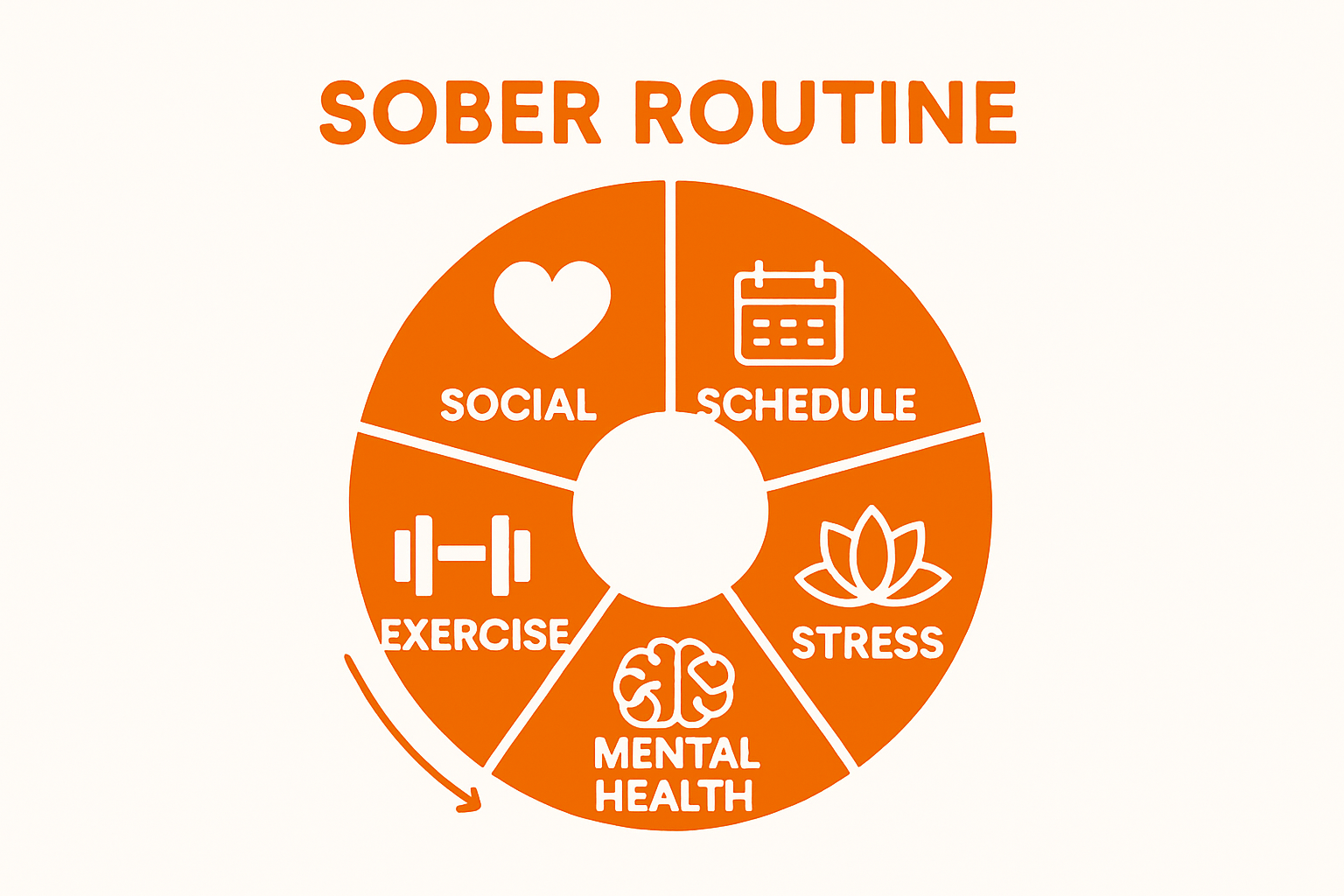
An effective sober routine typically encompasses multiple dimensions of personal well being:
- Physical health management through regular exercise and nutrition
- Mental health support via therapy, meditation, or counseling
- Meaningful social connections and positive relationship building
- Structured daily schedules with clear goals and productive activities
- Stress management techniques and healthy coping mechanisms
By integrating these elements, individuals can create a holistic approach to recovery that addresses the complex psychological, emotional, and physiological challenges associated with substance use disorders. The goal is not just abstinence, but creating a fulfilling life that makes sustained recovery both achievable and rewarding.
To help clarify the foundational pillars of a healthy sober routine, the following table summarizes the key components and the specific roles they play in supporting recovery.
| Component | Description |
|---|---|
| Physical Health Management | Regular exercise and balanced nutrition to support body recovery and overall wellness |
| Mental Health Support | Activities like therapy, meditation, and counseling to nurture psychological stability |
| Social Connections | Building positive relationships and engaging with support networks for emotional accountability |
| Structured Daily Schedule | Creating predictable routines and achieving clear daily or weekly goals |
| Stress Management Techniques | Using coping strategies such as mindfulness, breathing exercises, or hobbies to handle stress |
The Importance of a Sober Routine in Recovery
A sober routine is far more than a simple schedule – it is a powerful therapeutic tool that supports comprehensive healing and long term recovery from substance use disorders. By providing structure, predictability, and purpose, these routines act as a critical defense mechanism against potential relapse and help individuals rebuild their lives after addiction.
Psychological Resilience and Emotional Stabilization
Structured routines play a profound role in psychological recovery. Research demonstrates that consistent daily practices help reduce anxiety, manage emotional volatility, and create a sense of personal control. When individuals establish predictable patterns, they minimize uncertainty and decrease the likelihood of impulsive behaviors that might compromise their recovery. This structured approach allows people to gradually rebuild self confidence and develop healthier coping mechanisms.
Rebuilding Life Skills and Personal Accountability
Sober routines are instrumental in helping individuals rebuild essential life skills that may have been disrupted during active addiction. These routines teach critical skills like:
- Time management and organizational abilities
- Personal hygiene and self care practices
- Financial planning and responsibility
- Goal setting and consistent personal development
- Stress management and emotional regulation
Moreover, a well designed sober routine encourages personal accountability. By learning more about our sober living programs, individuals can understand how structured environments support gradual, sustainable personal transformation.
This table highlights how sober routines help individuals regain essential life skills often diminished by addiction and strengthens personal accountability across several practical domains.
| Life Skill | How Sober Routines Help Rebuild It |
|---|---|
| Time Management | Encourages planning and prioritizing daily tasks for more effective use of time |
| Organizational Abilities | Promotes structure, routine, and systematic approaches to daily responsibilities |
| Personal Hygiene & Self Care | Enhances consistency and attentiveness to self-maintenance habits |
| Financial Responsibility | Reinforces regular budgeting and accountability with money matters |
| Goal Setting & Development | Establishes processes for setting, tracking, and achieving personal goals |
| Stress Management | Facilitates adoption of reliable coping skills for managing daily challenges |
Key Components of a Healthy Sober Routine
Building a successful sober routine requires a comprehensive and intentional approach that addresses multiple dimensions of personal wellness. These routines are not one size fits all, but instead must be tailored to individual needs, strengths, and recovery goals. Understanding the core components can help individuals construct a sustainable framework for long term recovery and personal growth.
Physical and Mental Health Foundations
Research demonstrates that effective sober routines integrate holistic health practices that support both physical and psychological recovery. This means developing consistent practices that nurture overall well being, including regular exercise, proper nutrition, adequate sleep, and structured mental health support. Physical activity, in particular, plays a crucial role in mood regulation, stress reduction, and rebuilding neural pathways disrupted during active addiction.
Core Elements of Structured Recovery Support
A robust sober routine typically encompasses several key elements designed to provide comprehensive support:
- Regular participation in support group meetings or therapy sessions
- Establishing healthy sleep and wake cycles
- Creating meaningful daily and weekly goals
- Developing positive social connections and support networks
- Implementing stress management and emotional regulation techniques
These elements work synergistically to create a protective framework that minimizes relapse risks. Individuals can explore our sober living checklist to gain deeper insights into creating a personalized routine that addresses individual recovery needs. By focusing on structured, intentional daily practices, individuals can transform their recovery journey from a challenging process into an empowering path of personal transformation and sustained wellness.

How a Sober Routine Supports Long-term Wellness
A sober routine transcends mere abstinence, serving as a comprehensive strategy for holistic personal transformation and sustained mental, physical, and emotional health. By systematically addressing multiple dimensions of wellness, these routines create a protective ecosystem that supports ongoing recovery and personal growth.
Neurological Reconstruction and Emotional Stability
Research indicates that consistent routines play a critical role in neurological healing and emotional regulation. During active addiction, neural pathways become disrupted, and a structured routine helps rewire the brain, gradually restoring cognitive functions, impulse control, and emotional processing capabilities. This neurological reconstruction is fundamental to long-term wellness, helping individuals develop healthier thought patterns and more resilient coping mechanisms.
Comprehensive Wellness Dimensions
A well-designed sober routine supports long-term wellness through interconnected strategies:
- Physical health restoration through nutrition and exercise
- Mental health management via therapy and mindfulness practices
- Emotional resilience development through consistent self reflection
- Social connectivity and relationship rebuilding
- Professional and personal goal setting
Moreover, these routines provide a sense of purpose and predictability that counteracts the chaos often associated with substance use disorders. By exploring long-term addiction treatment benefits, individuals can understand how sustained, structured approaches contribute to comprehensive healing. The ultimate goal is not just maintaining sobriety, but creating a fulfilling life characterized by continuous personal growth, meaningful connections, and genuine well being.
Real-world Examples of Successful Sober Routines
Sober routines are not theoretical concepts but practical frameworks that individuals can customize to support their unique recovery journey. While each person’s path is distinct, successful routines share common characteristics of intentionality, structure, and holistic personal development. Understanding how others have effectively implemented these strategies can provide inspiration and practical insights for those beginning their own recovery process.
Structured Daily Transformation Strategies
Research demonstrates that successful sober routines often involve deliberate replacement of previously harmful behaviors with constructive activities. For instance, an individual might replace evening drinking time with structured hobbies like painting, learning a musical instrument, or attending support group meetings. These intentional substitutions help redirect mental energy, reduce idle time, and create positive neurological associations that support ongoing recovery.
Personalized Recovery Approach Examples
Successful sober routines can take various forms, tailored to individual interests and recovery needs:
- A professional who schedules early morning meditation and exercise before work
- A creative individual who joins art therapy groups and maintains a consistent journaling practice
- A parent who integrates family activities and counseling into their weekly schedule
- A student who establishes academic goals and participates in peer support networks
- An athlete who uses physical training as a cornerstone of their emotional regulation
These examples illustrate how diverse and personalized sober routines can be. By understanding different recovery pathways, individuals can recognize that successful recovery is not about following a rigid template, but about creating a meaningful, sustainable lifestyle that supports ongoing personal growth and wellness.
Ready to Build a Sober Routine That Lasts?
Making the shift from destructive habits to healthy routines is not easy. Many people struggle with overwhelming feelings of uncertainty, anxiety, and the fear of relapse. This article has shown that a structured sober routine is more than avoiding substances. It is about transforming daily life with meaningful activities, reliable support, and personal accountability. But recognizing what to do is just the start—the real challenge is finding the right guidance and resources to make it work for you.
At Healthy Life Recovery, we offer proven support to turn your goals into reality. Whether you need a safe place to start with medical detox and stabilization, want a bold new approach through active recovery tracks like surfing or fitness programs, or are looking for personalized sober living support, our team understands your journey and is ready to help you build a routine that supports long-term wellness. Your path to a dependable and fulfilling sober routine starts here. Visit https://healthyliferecovery.com/ to take your first step today. Let us help you create a life where positive habits truly thrive.
Frequently Asked Questions
What is a sober routine?
A sober routine is a structured approach to daily living that supports recovery from substance use disorders by replacing harmful behaviors with healthy activities.
Why is a sober routine important in recovery?
A sober routine creates stability and predictability, reducing the risk of relapse and providing a framework for personal growth and wellness during recovery.
What are the key components of an effective sober routine?
Key components include physical health management, mental health support, social connections, structured daily schedules, and stress management techniques.
How can I build a personalized sober routine?
To build a personalized sober routine, consider your individual needs and goals, integrate holistic health practices, and establish meaningful daily activities and support networks.