


Nearly one in eight adults will experience a substance use disorder in their lifetime, yet recovery remains a different journey for each person. Recognizing your own triggers, support networks, and healthy routines can make a life-changing difference. Whether you are just starting out or seeking a stronger foundation, there are practical steps that help you move forward with clarity and confidence.
Quick Summary
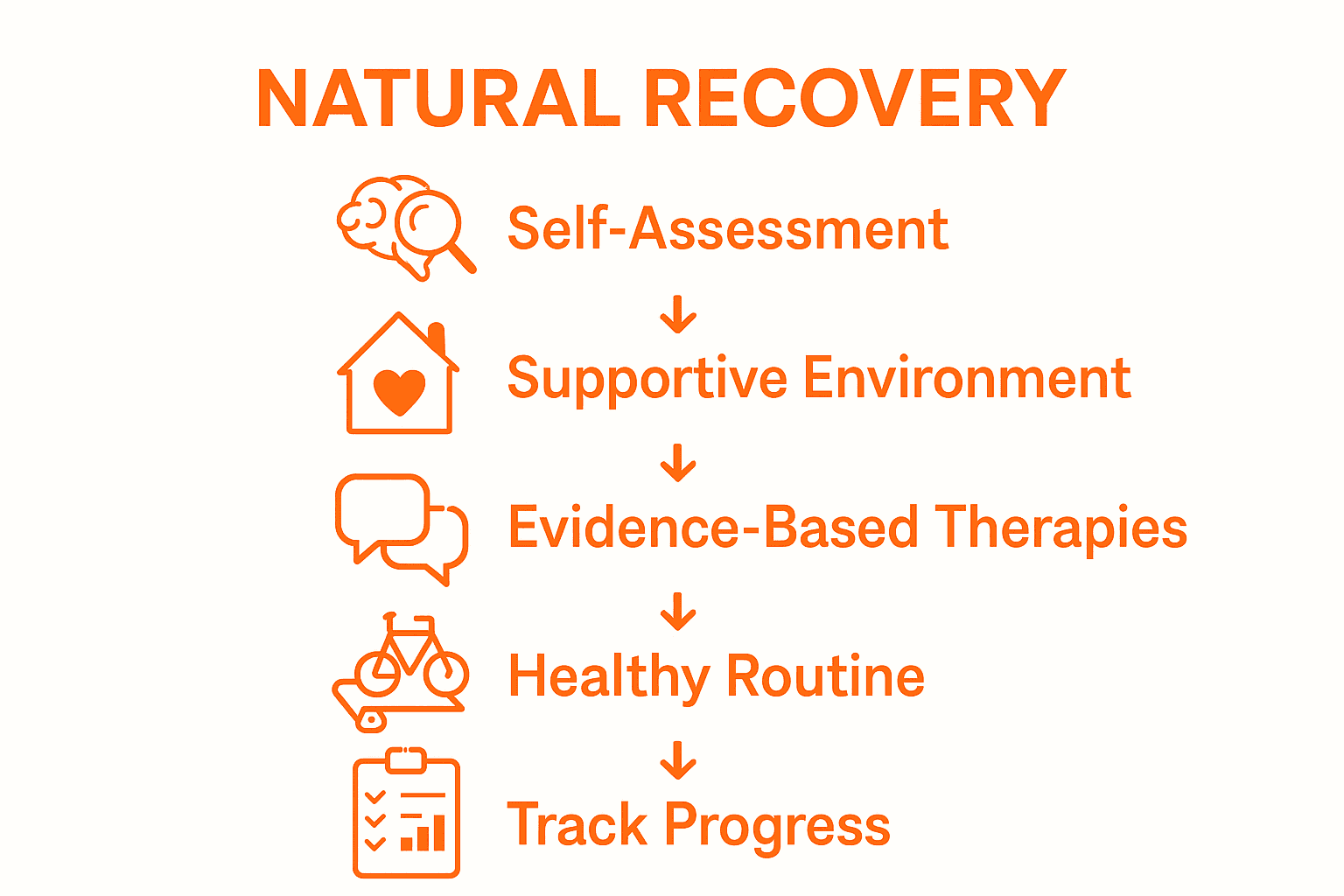
| Key Point | Explanation |
|---|---|
| 1. Assess Personal Triggers and Strengths | Identify situations and emotions that lead to substance use, and recognize your coping skills to guide your recovery. |
| 2. Create a Supportive Environment | Build a network of supportive relationships and adjust your living space to foster wellbeing and reduce risks. |
| 3. Engage in Evidence-Based Therapies | Explore various therapeutic approaches to find those that effectively address your addiction and emotional needs. |
| 4. Establish Healthy Routines | Develop a structured daily schedule that includes physical activities and mindfulness practices to support your recovery. |
| 5. Monitor Progress Regularly | Use tracking methods to assess your recovery journey, allowing for adjustments in strategies as needed. |
Step 1: Assess Individual Needs and Triggers
Recovery is deeply personal and starts with understanding your unique journey. This step focuses on identifying what drives your substance use and discovering your individual strengths and challenges.
Begin by creating a comprehensive self portrait. Grab a notebook and start mapping out your personal experiences. What situations trigger your desire to use? Think about emotional states like stress or loneliness, specific social environments, or particular times of day when cravings feel strongest.
According to research from the National Center for Biotechnology Information, a strengths based assessment helps uncover critical recovery insights. This means looking beyond challenges and identifying your existing coping skills and social supports. The goal is not to judge yourself but to build a clear roadmap for healing.
Consider exploring your motivations through honest self reflection. Are you seeking relief from emotional pain? Trying to manage underlying anxiety? Understanding these root causes provides powerful ammunition for your recovery strategy.
Pro Tip: Use structured assessment tools like the Substance Use Recovery Evaluator to gain objective insights into your personal recovery landscape.
Filling idle time with constructive activities becomes crucial during this process. As research indicates, engaging in exercise, education, volunteering, or mindfulness practices can significantly reduce relapse risk while providing meaningful alternatives to substance use.
Remember that this assessment is not a one time event but an ongoing exploration. Your triggers and needs will evolve as you progress in recovery. Stay curious, compassionate, and committed to understanding yourself.
In the next step, we will translate these insights into a personalized recovery action plan that leverages your unique strengths and addresses your specific challenges.
Step 2: Establish a Safe and Supportive Environment
Building a recovery environment isn’t just about physical space. It’s about creating a holistic network of support that protects and nurtures your healing journey. This step focuses on designing an ecosystem that promotes stability and reduces potential risks.
Start by taking an honest inventory of your current relationships and living situation. Which people genuinely support your recovery? Who might inadvertently trigger or challenge your progress? You need to make intentional choices about who you allow into your inner circle.
Research from recovery oriented systems of care emphasizes the importance of building environments that address social determinants of health. This means looking beyond just removing substances and creating a comprehensive support network that includes caring relationships and collaborative decision making.
Consider creating physical boundaries in your living space. Remove any substances or paraphernalia that might tempt you. Reorganize your environment to create new positive associations and routines. This could mean rearranging furniture, adding motivational artwork, or creating dedicated spaces for meditation and self reflection.
Pro Tip: Engage in structured activities like volunteering, support groups, or educational programs that provide purpose and connection.
According to research from clinical recovery studies, engagement in meaningful structured activities is crucial. These experiences not only fill idle time but also help rebuild your sense of self worth and community connection. Look for local support groups, volunteer opportunities, or classes that align with your interests and recovery goals.
Remember that building a supportive environment is an ongoing process. Be patient with yourself and remain open to adjusting your strategies as you grow. Your environment should feel like a sanctuary that supports your healing not a restrictive space that feels suffocating.

In our next step, we will explore developing a personalized recovery strategy that builds on the safe foundation you are now creating.
Step 3: Encourage Participation in Evidence-Based Therapies
Therapy is your powerful ally in recovery a strategic approach that helps rewire thought patterns and develop healthier coping mechanisms. This step focuses on understanding and embracing therapeutic approaches that have proven successful in supporting long term healing.
Start by researching different evidence-based therapy options. Not all therapies work the same for everyone. Some people respond well to cognitive behavioral therapy while others find tremendous value in addiction therapy approaches that address underlying emotional wounds.
Understand that evidence-based therapies are more than just talking sessions. These are scientifically validated approaches designed to help you understand your addiction triggers, develop emotional regulation skills, and create sustainable strategies for managing challenging situations.
Be open and honest during your therapy sessions. The more transparent you are about your experiences struggles and goals the more effectively your therapist can customize treatment strategies. Think of therapy as a collaborative journey where you and your professional work together to design your recovery roadmap.
Pro Tip: Ask potential therapists about their specific experience with substance use disorder treatment and their therapeutic approach.
Consider exploring multiple therapy modalities. Some individuals benefit from individual counseling while others find group therapy or specialized approaches like trauma informed care more effective. The key is remaining flexible and willing to try different approaches.
Remember that therapy is not a sign of weakness but a courageous step towards understanding yourself and building resilience. Your willingness to engage in therapeutic work demonstrates strength commitment and hope.
In our next step we will discuss developing practical skills and strategies that complement your therapeutic journey and support your ongoing recovery.
Step 4: Promote Healthy Routine and Active Recovery Activities
Recovery is about more than abstaining from substances its about rebuilding your physical and mental wellness. This step focuses on creating structured routines and engaging activities that support your healing journey and replace old destructive patterns.
Start by designing a consistent daily schedule that balances structure with flexibility. Wake up and go to bed at similar times each day. Include dedicated spaces for self care exercise work or study and personal reflection. Learn more about creating a sober routine that supports your overall wellness.
Physical activity plays a crucial role in recovery. According to health research active recovery methods like walking yoga swimming and cycling help promote blood flow reduce muscle soreness and maintain overall flexibility. These activities are not just about physical fitness they provide mental clarity and emotional regulation.
Consider incorporating mindful movement practices that connect your body and mind. Yoga meditation and gentle stretching can help manage stress reduce anxiety and create moments of internal peace. Think of these activities as tools for emotional processing and self understanding.
Pro Tip: Start with short 15 minute sessions and gradually increase duration as you build strength and confidence.
Dont view these activities as chores but as opportunities for personal growth. Experiment with different forms of movement. Try group fitness classes outdoor adventures or solo exercise routines. The goal is finding activities that genuinely spark joy and provide a sense of accomplishment.
Remember that building a healthy routine takes time. Be patient with yourself. Some days will feel easier than others. What matters is your consistent commitment to showing up for yourself and making positive choices.
In our next step we will explore developing a comprehensive support network that reinforces these healthy routines and sustains your recovery journey.
Step 5: Monitor Progress and Adjust Support Strategies
Recovery is not a linear path but a dynamic journey of continuous growth and self discovery. This step empowers you to become an active participant in your healing process by developing skills to assess your progress and make thoughtful adjustments.
Research in recovery management emphasizes the importance of regular check ins and structured assessments. Start by creating a personal tracking system that allows you to document your experiences emotions challenges and victories. This could be a journal digital app or simple notebook where you record your daily experiences.
According to recovery management research periodic check ins through telephone or in person consultations help identify potential warning signs and enable collaborative strategy adjustments. Consider scheduling monthly meetings with a therapist or recovery coach who can provide objective insights and help you interpret your progress.
Develop specific metrics for tracking your journey. These might include days of sobriety emotional stability engagement in healthy activities personal goals achieved and overall quality of life improvements. Be honest and compassionate with yourself during these assessments.
Pro Tip: Use standardized self efficacy and recovery capital scales to gain objective measurements of your progress.
Maintaining structured daily routines allows you to detect early signs of potential stress or vulnerability. Pay attention to changes in your mood energy levels sleep patterns and overall engagement with recovery activities. These subtle shifts can provide valuable information about your healing trajectory.
Remember that adjusting your support strategies is not a sign of failure but a demonstration of wisdom and adaptability. Recovery is about learning growing and continuously refining your approach to wellness.
In our final step we will explore strategies for building long term resilience and creating a sustainable path forward in your recovery journey.
Here’s a summary of the five steps to support substance use recovery:
| Step | Focus Area | Key Activities |
|---|---|---|
| 1: Assess Individual Needs | Identifying triggers Recognizing strengths |
Self reflection Assessment tools Journaling |
| 2: Create Safe Environment | Supportive relationships Safe spaces |
Social support Removing substances Setting boundaries |
| 3: Evidence-Based Therapies | Therapeutic intervention Skill building |
CBT or group therapy Personalized treatment |
| 4: Healthy Routines | Physical & emotional wellness | Exercise Mindfulness Structured schedule |
| 5: Monitor Progress | Continuous improvement | Track habits Regular check-ins Adjust strategies |
Take Meaningful Steps Toward Lifelong Recovery
You have just learned how natural recovery is built around honest self-assessment, supportive environments, proven therapies, healthy routines, and steady progress checks. But putting each of these steps into daily life can feel overwhelming, especially on your own. That sense of uncertainty or fear of setbacks is common—not a failure. Everyone deserves a recovery experience where expert support, understanding, and tailored resources are available every single step of the way.
Healthy Life Recovery brings together what you have read about: evidence-based therapies, innovative treatments, and active recovery options like yoga or surfing. Our compassionate team in San Diego guides you from detox to outpatient care and sober living. You will find encouragement, practical tools, and a community that understands your journey. Want to bridge the insights from your personal assessment into real change? Discover our full-service recovery options and get the support designed just for you. Take your next confident step—contact our expert team now and reclaim the happy, healthy life you deserve today.
Frequently Asked Questions
How can I effectively assess my individual needs in recovery?
Start by creating a comprehensive self-portrait that maps out your past experiences and identifies triggers for substance use. Journal about emotional states, specific times of day, and social situations to gain better insights and strengthen your recovery strategy.
What should I include when establishing a safe and supportive environment?
Focus on nurturing relationships that genuinely support your recovery and removing any substances or triggers from your space. Reorganize your living area to foster positive associations, and consider activities that engage your mindset and promote emotional well-being.
What are some evidence-based therapies to consider for my recovery?
Explore various therapeutic options such as cognitive behavioral therapy or group therapy that addresses underlying emotional challenges. Be open to trying different modalities, as finding the right fit can significantly enhance your coping mechanisms and recovery journey.
How can I promote a healthy routine during recovery?
Design a structured daily schedule that balances self-care, exercise, and personal reflection. Incorporating activities like walking or yoga can enhance both physical and emotional wellness while helping you replace old patterns with positive habits.
How do I monitor my progress and adjust my recovery strategies?
Create a personal tracking system to document your experiences and emotions regularly. Schedule monthly check-ins with a therapist or recovery coach to identify potential challenges and make necessary adjustments to your recovery plan.
What activities can help reduce the risk of relapse in recovery?
Engage in constructive activities like volunteering, educational programs, or support groups that provide purpose and connection. Filling idle time with these meaningful experiences not only helps reduce the risk of relapse but also supports your overall healing process.