


Nearly one out of every ten professionals will face a substance use disorder during their career, highlighting a hidden struggle in high-pressure fields like healthcare, law, and business. The stakes go beyond health, touching on reputation, confidentiality, and career stability. Specialized addiction treatment for professionals addresses these unique demands by offering discreet, personalized care that focuses on long-term wellness while protecting both personal dignity and professional status.
Key Takeaways
| Point | Details |
|---|---|
| Comprehensive Treatment | Addiction treatment for professionals involves personalized strategies that address both wellness and career management, catering to the unique pressures of high-stress jobs. |
| Confidentiality is Crucial | Legal protections, such as 42 CFR Part 2, ensure that professionals can seek help without jeopardizing their careers or reputations. |
| Evidence-Based Approaches | Utilizing scientifically validated therapies, such as CBT and DBT, forms the foundation of recovery strategies tailored for professionals. |
| Sustained Recovery Focus | Long-term recovery can be achieved through continuous support systems, including regular management check-ups and peer networks, ensuring ongoing personal and professional growth. |
Defining Addiction Treatment for Professionals
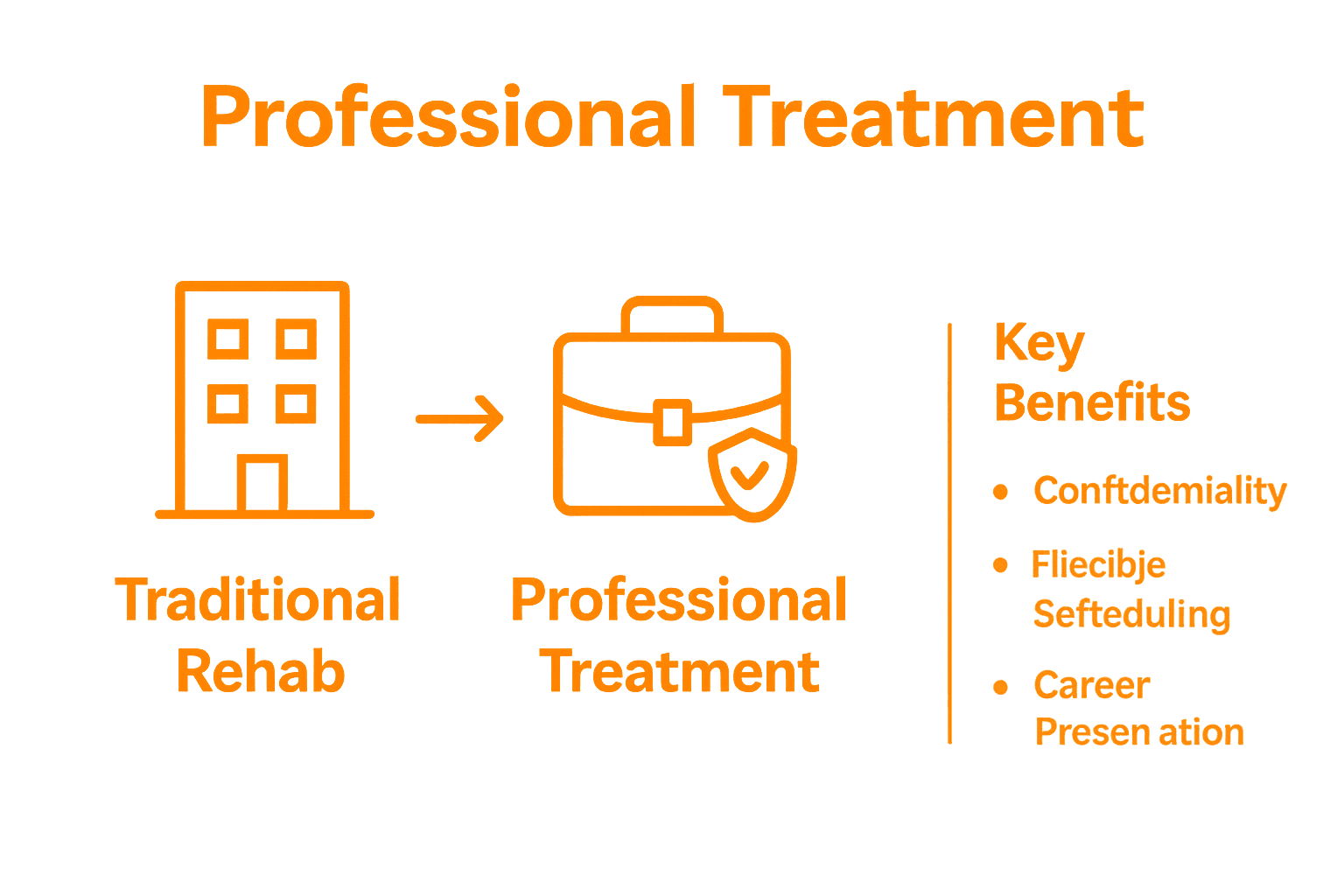
Addiction treatment for professionals isn’t just about stopping substance use – it’s a comprehensive, personalized approach designed specifically for individuals whose careers and complex life circumstances demand specialized recovery strategies. Unlike traditional addiction treatment models, professional-focused programs recognize the unique pressures and challenges faced by lawyers, executives, healthcare workers, and other high-stress career professionals.
According to research from the National Center for Biotechnology Information, recovery supports are part of a continuum of care that acknowledges addiction as a chronic condition requiring long-term management. These supports include critical components such as:
- Recovery housing
- Recovery management check-ups
- Telephone case monitoring
- Social and recreational recovery infrastructure
Here’s a summary of key programs and supports for professionals in addiction recovery:
| Recovery Support | Description | Professional Benefit |
|---|---|---|
| Recovery housing | Sober living environments | Ensures privacy Stability during transition |
| Management check-ups | Regular follow-up appointments | Monitors progress Early issue detection |
| Telephone case monitoring | Ongoing phone-based support | Discrete Flexible for busy schedules |
| Social & recreational infrastructure | Structured sober activities | Builds connections Reduces isolation |
Confidentiality stands as a cornerstone of addiction treatment for professionals. Federal regulations like 42 CFR Part 2 mandate strict privacy standards, ensuring that professionals can seek treatment without compromising their career reputation. Learn more about our confidential treatment approaches that protect your professional standing while providing comprehensive, compassionate care.
At its core, addiction treatment for professionals aims to restore not just health, but professional functionality. This means developing personalized strategies that address substance use disorder while maintaining career trajectory, workplace performance, and personal dignity. The goal isn’t just sobriety – it’s creating sustainable wellness that supports both personal recovery and professional excellence.
Unique Challenges Faced by Professionals
Professionals battling substance use disorders encounter a complex landscape of challenges that extend far beyond traditional addiction recovery experiences. High-stress careers in fields like law, medicine, finance, and technology create unique pressures that can both contribute to and complicate addiction recovery processes.
According to research from workplace wellness experts, professionals face multiple interconnected challenges including:
- Extreme performance expectations
- Persistent workplace stress
- Fear of professional reputation damage
- Potential career disruption
- Complex stigma surrounding addiction
Research from Pinnacle Recovery highlights that professionals in recovery often navigate intricate dual roles, managing personal recovery while maintaining professional responsibilities. The digital age further compounds these challenges, with virtual platforms creating additional layers of complexity and potential stressors.

Workplace culture plays a critical role in supporting professionals during recovery. Integrated strategies that emphasize leadership support, confidential wellness programs, and compassionate rehabilitation approaches can significantly improve recovery outcomes. Read more about our executive treatment approaches that recognize and address these nuanced professional challenges with discrete, targeted interventions.
Evidence-Based Therapies and Program Options
Addiction treatment for professionals demands a sophisticated, multi-dimensional approach that goes beyond traditional recovery methods. Evidence-based therapies provide structured, scientifically validated interventions designed to address the complex psychological and neurological aspects of substance use disorders while respecting the unique needs of professional populations.
Key evidence-based therapeutic approaches include:
- Cognitive Behavioral Therapy (CBT): Helps professionals identify and transform negative thought patterns and behaviors
- Dialectical Behavior Therapy (DBT): Supports emotional regulation and stress management skills
- Brainspotting Therapy: Targets trauma-related triggers and neurological processing
- Individual and group counseling
- Motivational interviewing techniques
Program options for professionals typically incorporate flexible treatment models that accommodate work schedules and career responsibilities. These might include intensive outpatient programs, executive rehabilitation tracks, telehealth counseling, and specialized recovery support designed to minimize professional disruption.
Customized treatment plans recognize that each professional’s journey is unique. By combining clinical expertise, personalized therapeutic interventions, and comprehensive support systems, addiction treatment can successfully restore both personal wellness and professional functionality. The ultimate goal is creating sustainable recovery strategies that empower professionals to reclaim their health, career potential, and personal excellence.
Legal and Privacy Concerns in Treatment
Privacy and confidentiality represent critical cornerstones of addiction treatment for professionals, where protecting personal and career information is paramount. Federal regulations, particularly 42 CFR Part 2, establish stringent legal frameworks designed to safeguard the sensitive medical records of individuals seeking substance use treatment.
Key legal protections and ethical obligations include:
- Strict limitations on information disclosure
- Requirement for written client consent before any record sharing
- Encryption and secure communication protocols
- Safe and private discussion environments
- Protection against unauthorized workplace or professional reporting
According to the National Association of Alcoholism and Drug Abuse Counselors (NAADAC), healthcare providers must meticulously navigate complex ethical landscapes. This involves informing clients about confidentiality limits, obtaining explicit authorization before any disclosures, and ensuring that only essential information is ever shared. Learn more about our commitment to mental health treatment privacy and how we protect our clients’ professional standings.
For professionals, these legal protections are more than bureaucratic requirements – they’re lifelines that enable seeking treatment without fear of career repercussions. Understanding these frameworks empowers individuals to pursue recovery confidently, knowing their professional reputation and personal medical information remain secure and protected.
Strategies for Sustained Recovery and Support
Sustained recovery for professionals requires a dynamic, holistic approach that extends far beyond initial treatment. Long-term recovery is a strategic journey of continuous support, personal growth, and proactive management that adapts to evolving professional and personal challenges.
Key strategies for maintaining sustained recovery include:
- Regular recovery management check-ups
- Telephone case monitoring
- Virtual support networks
- Professional peer support groups
- Ongoing therapeutic engagement
- Stress management techniques
- Career resilience planning
Modern recovery approaches leverage technology and comprehensive support systems. Learn more about our aftercare support programs that provide continuous monitoring and personalized intervention strategies. These innovative methods include telehealth services, data-driven recovery metrics, and community-based support networks designed to create a robust ecosystem of professional wellness.
Ultimately, sustained recovery is about building a resilient life framework that supports both personal healing and professional excellence. By integrating targeted interventions, technological support, and holistic wellness strategies, professionals can create a powerful foundation for long-term recovery that empowers them to thrive in both their personal and professional lives.
Take Control of Your Recovery Journey as a Professional
You work in a field where confidentiality, balance, and sustainable performance matter deeply. As highlighted in our guide, the challenge for professionals in addiction recovery involves more than breaking free from substance use. It is about overcoming stigma, maintaining your reputation, and choosing a treatment approach that truly fits your career, your family, and your life. Healthy Life Recovery recognizes these unique pain points. Our team is committed to your privacy, offering evidence-based therapies, flexible outpatient care, and innovative solutions like TMS and qEEG brain mapping. We also focus on personalized, confidential support designed for demanding schedules and high-stress environments. Explore how our medically supervised detox and rehab options protect your privacy while rebuilding lasting health and professional stability.
Are you ready to reclaim your career and personal well-being with strategies backed by research and care? Visit Healthy Life Recovery now to see how you can start confidential, compassionate treatment today. If confidentiality, career support, and customized care are priorities for you, reach out through our contact page and let us help you take the first powerful step.
Frequently Asked Questions
What is addiction treatment for professionals?
Addiction treatment for professionals is a specialized approach that addresses substance use disorders while considering the unique challenges faced by individuals in high-stress careers. It incorporates personalized strategies and supports designed to help maintain professional functionality and personal dignity.
What are the key components of addiction treatment for professionals?
Key components include recovery housing, management check-ups, telephone case monitoring, and structured social and recreational activities. These elements work together to support ongoing recovery and preserve professional reputation.
How does confidentiality work in addiction treatment for professionals?
Confidentiality is paramount in addiction treatment for professionals. Federal regulations like 42 CFR Part 2 ensure strict privacy protections for individuals seeking treatment, including limitations on information disclosure and requirements for written client consent before sharing any records.
What strategies are effective for sustained recovery in professionals?
Effective strategies for sustained recovery include regular management check-ups, telephone monitoring, virtual support networks, ongoing therapy, and stress management techniques. These approaches are designed to adapt to the evolving challenges professionals may face during their recovery journey.