

Nearly 21 million Americans struggle with at least one addiction, but only about 10 percent receive treatment. Many people still believe rehab is just for serious cases or that it offers an instant fix, yet these ideas could not be further from the truth. Understanding what rehabilitation actually involves helps break old myths and gives hope for real, lasting change. This guide unpacks the diverse programs, proven therapies, and practical steps at every stage of recovery.
Key Takeaways
| Point | Details |
|---|---|
| Personalized Approach | Rehabilitation is tailored to individual needs, recognizing that recovery is a complex journey requiring customized strategies. |
| Diverse Program Types | There are multiple rehab programs, including inpatient, outpatient, and detox, each suited for different levels of addiction severity. |
| Innovative Treatments | Effective rehab integrates evidence-based therapies, holistic methods, and technology-assisted interventions for comprehensive support. |
| Financial Considerations | Understand the costs and insurance coverage for rehab, as expenses vary widely based on program type, duration, and facility amenities. |
Defining Rehab and Common Misconceptions
Rehabilitation is a comprehensive approach to helping individuals overcome substance use disorders, mental health challenges, and behavioral dependencies. According to The Cabin Singapore, rehabilitation encompasses various programs designed to provide structured support tailored to individual recovery needs.
Contrary to popular belief, rehab is not a one-size-fits-all solution or a guaranteed instant cure. As Casco Bay Recovery explains, rehabilitation programs are carefully crafted to address the specific circumstances and challenges each person faces. This personalized approach recognizes that addiction recovery is a complex, multifaceted journey requiring individualized strategies.
Some common misconceptions about rehab include:
- Rehab is only for people with severe addiction
- Treatment is a quick fix that guarantees permanent recovery
- Rehabilitation is a sign of personal weakness
- All rehab programs are the same
In reality, rehabilitation is a compassionate, professional process that offers comprehensive support. It involves medical supervision, psychological counseling, skill-building, and holistic strategies to help individuals understand their addiction, develop coping mechanisms, and create sustainable paths to long-term recovery. The goal is not just abstinence, but empowering individuals to rebuild their lives with confidence, health, and purpose.
Major Types of Rehab Programs Explained
Addiction rehabilitation offers multiple program types designed to meet diverse recovery needs. According to The Cabin Singapore, these programs range from intensive medical interventions to flexible treatment options that accommodate individual circumstances and severity of substance use disorders.
Casco Bay Recovery highlights several critical rehabilitation approaches that address different stages and intensities of addiction recovery:
- Residential/Inpatient Treatment
- 24/7 medical supervision and intensive therapy
- Structured environment with comprehensive care
- Best for severe addiction and complex medical needs
- Outpatient Programs
- Flexible scheduling for therapy sessions
- Allows individuals to maintain work and family responsibilities
- Suitable for mild to moderate substance use disorders
- Partial Hospitalization Programs
- Structured daytime treatment
- Participants return home in the evenings
- Provides intensive support with increased personal flexibility
- Detox and Medication-Assisted Treatment
- Medical supervision during withdrawal
- Medications to manage cravings and withdrawal symptoms
- Critical first step for many recovery journeys
Choosing the right rehabilitation program depends on individual health needs, addiction severity, personal circumstances, and professional medical assessment. Many individuals progress through multiple program types during their recovery, and for families focused on getting a loved one into rehab, this demonstrates that rehabilitation is a dynamic, personalized process.
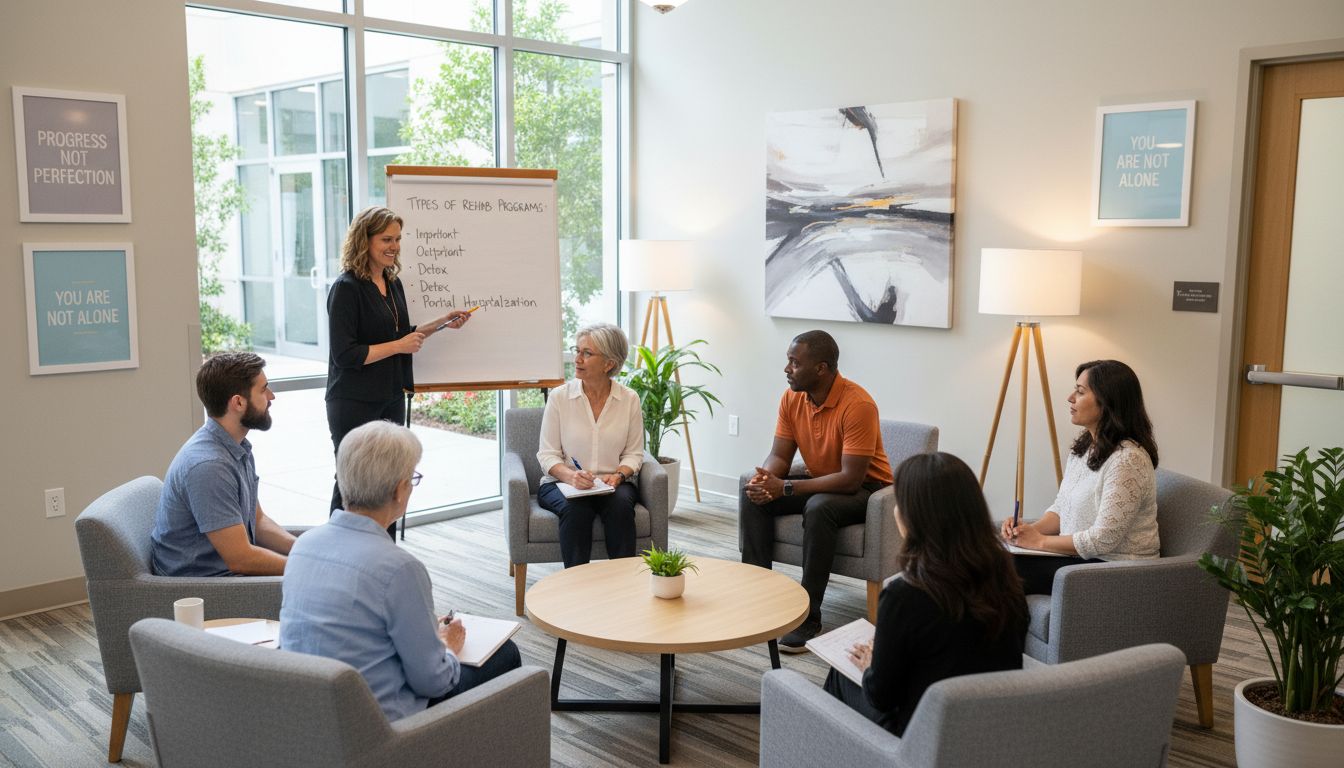
Here’s a comparison of the major types of rehab programs:
| Program Type | Structure & Supervision | Best For | Key Features |
|---|---|---|---|
| Residential/Inpatient | 24/7 medical care | Severe addiction | Intensive therapy Structured environment |
| Outpatient Programs | Scheduled sessions, no overnight stay | Mild/moderate disorders | Flexible scheduling Maintains daily life |
| Partial Hospitalization | Daytime treatment, home at night | Moderate/severe needs | Intensive support Greater flexibility |
| Detox/Medication-Assisted | Medical oversight during withdrawal | Initial recovery phase | Manages cravings Withdrawal supervision |
For those considering treatment options, our guide on outpatient rehab for San Diego residents offers additional insights into finding the most appropriate support for your specific situation.
Stages of the Rehab and Recovery Process
Recovery is a comprehensive journey with multiple interconnected stages. According to The Cabin Singapore, the rehabilitation process involves several critical stages designed to support individuals through their path to healing and sustained sobriety.
Casco Bay Recovery outlines the key stages of addiction recovery:
- Initial Assessment
- Comprehensive evaluation of individual health and addiction history
- Identifying underlying mental health challenges
- Creating personalized treatment strategies
- Medical Detoxification
- Medically supervised withdrawal management
- Addressing physical dependency safely
- Managing withdrawal symptoms with professional support
- Intensive Therapy
- Individual and group counseling sessions
- Exploring root causes of addiction
- Developing healthy coping mechanisms
- Learning relapse prevention strategies
- Rehabilitation and Skill Building
- Emotional regulation training
- Rebuilding personal and professional relationships
- Developing life skills and healthy routines
- Aftercare and Ongoing Support
- Continued counseling and support groups
- Monitoring and preventing potential relapse
- Maintaining long-term recovery commitment
Every recovery journey is unique, requiring patience, commitment, and professional guidance.
 While the path may seem challenging, each stage represents progress toward healing and reclaiming personal agency.
For those interested in understanding more about the addiction recovery process, our guide to the addiction recovery journey provides deeper insights into this transformative experience.
Evidence-Based Therapies and Innovative Treatments
Modern addiction treatment has evolved far beyond traditional approaches, incorporating a range of evidence-based therapies and cutting-edge interventions. According to The Cabin Singapore, effective rehabilitation now integrates multiple therapeutic strategies to address the complex nature of substance use disorders.
Casco Bay Recovery highlights several innovative treatment approaches that are transforming addiction recovery:
Evidence-Based Psychological Therapies:
- Cognitive Behavioral Therapy (CBT)
- Dialectical Behavior Therapy (DBT)
- Motivational Interviewing
- Eye Movement Desensitization and Reprocessing (EMDR)
Holistic and Integrative Treatments:
- Mindfulness meditation
- Yoga and movement therapies
- Acupuncture
- Nutrition and wellness counseling
Technology-Assisted Interventions:
- Neurofeedback training
- Brain mapping technologies
- Virtual reality exposure therapy
- Digital support and tracking applications
Medication-Assisted Treatments:
- Supervised medication management
- Craving reduction pharmacology
- Withdrawal symptom mitigation
- Dual diagnosis medication strategies
The goal of these innovative approaches is to provide comprehensive, personalized care that addresses not just the addiction, but the entire individual’s physical, mental, and emotional well-being.
For those interested in exploring specialized therapeutic approaches, our guide to Cognitive Behavioral Therapy in recovery offers deeper insights into one of the most effective treatment modalities.
Costs, Insurance and Potential Risks of Rehab
Addiction treatment is an investment in personal health and recovery, with costs varying widely depending on multiple factors. According to The Cabin Singapore, rehabilitation program expenses are influenced by program type, duration, and available amenities.
Casco Bay Recovery highlights the critical considerations individuals must evaluate when exploring rehabilitation options:
Rehabilitation Cost Factors:
- Inpatient vs. outpatient program type
- Treatment duration
- Facility amenities and location
- Level of medical supervision required
- Specialized therapy approaches
Insurance Coverage Considerations:
- Verify specific plan benefits
- Understand in-network vs. out-of-network providers
- Check pre-authorization requirements
- Determine percentage of treatment covered
- Explore potential out-of-pocket expenses
Potential Recovery Risks:
- Possibility of relapse
- Emotional and psychological challenges
- Financial strain during treatment
- Potential workplace or personal relationship disruptions
- Adjustment to new lifestyle patterns
Navigating rehabilitation requires careful planning, emotional resilience, and comprehensive understanding of both financial and personal challenges. While the journey might seem overwhelming, professional support and thorough preparation can significantly improve recovery outcomes.
For more detailed guidance on managing rehabilitation expenses, our comprehensive guide on how to pay for rehab offers practical insights and strategies to help you navigate the financial aspects of treatment.
Alternatives to Rehab and Support Aftercare
Recovery is not a one-size-fits-all journey, and individuals have multiple pathways to healing and sustained sobriety. According to The Cabin Singapore, alternatives to traditional rehabilitation programs can provide flexible and supportive approaches to addiction recovery.
Casco Bay Recovery highlights several alternative support options for individuals seeking recovery:
Alternative Recovery Approaches:
- Outpatient Treatment Programs
- Intensive Counseling Services
- Community Support Groups
- Online Recovery Communities
- Holistic Wellness Programs
Support Aftercare Options:
- Sober Living Environments
- Ongoing Individual Counseling
- Group Therapy Sessions
- Peer Support Networks
- Recovery Coaching
Holistic Recovery Strategies:
- Mindfulness and Meditation Practices
- Fitness and Nutrition Programs
- Art and Creative Therapy
- Stress Management Workshops
- Family Counseling Services
The key to successful recovery is finding an approach that resonates with individual needs, provides consistent support, and creates a sustainable path toward personal growth and healing.
For those interested in understanding the critical role of ongoing support, our comprehensive guide on aftercare offers deeper insights into maintaining long-term recovery and preventing relapse.
Discover Your Personalized Path to Lasting Recovery
Understanding the complexities of rehab highlighted in “What Is Rehab? Complete Guide to Recovery Programs” reveals the challenges many face in finding effective, compassionate, and individualized care. If you or a loved one struggles with addiction or co-occurring mental health disorders, the journey toward healing can feel overwhelming. You may be seeking evidence-based therapies, medically supervised detox, or innovative treatments that truly address your unique needs with patience and expertise.
At Healthy Life Recovery, we specialize in crafting comprehensive drug and alcohol rehab solutions in San Diego tailored to those very concerns. Our continuum of care features medically supervised detox, supportive sober living options, and powerful therapies including brain mapping and Active Recovery Tracks like surfing and yoga. Do not wait for the right moment to take control of your recovery. Visit our main site today to explore how we can support your journey through outpatient treatment and beyond. Empower yourself with a proven, compassionate program designed for long-term success.
Frequently Asked Questions
What is rehabilitation (rehab)?
Rehabilitation is a comprehensive approach designed to help individuals overcome substance use disorders, mental health challenges, and behavioral dependencies through tailored support programs.
What types of rehab programs are available?
Major types of rehab programs include residential/inpatient treatment, outpatient programs, partial hospitalization, and detox/medication-assisted treatment, each designed to meet varying needs based on addiction severity.
What are the key stages of the rehab process?
The stages of the rehab process typically include initial assessment, medical detoxification, intensive therapy, rehabilitation and skill building, and aftercare support, each critical for sustained recovery.
What innovative treatments are used in modern rehab programs?
Modern rehab programs incorporate evidence-based psychological therapies like CBT and DBT, holistic treatments such as mindfulness and yoga, and technology-assisted interventions like neurofeedback and digital tracking apps.