

Drug & Alcohol Detox
Drug and Alcohol Detox in San Diego
Medically supervised detox is the first step in treating physical dependence on alcohol or drugs, and it exists for one reason: to get you through withdrawal safely, with medical staff watching for the complications that make quitting on your own risky. At Healthy Life Recovery in Pacific Beach, San Diego, detox is the front door to a full continuum of care rather than a standalone service, so the day you stabilize is the day your treatment plan is already in motion.
Key Takeaways
What Medically Supervised Detox Is
Detoxification is your body’s process of clearing a substance from its system. When someone is physically dependent, that process produces withdrawal symptoms, and the severity of those symptoms is what determines how much medical oversight is needed.
Medically supervised detox adds structure to that process. Clinical staff assess you before anything begins, track your symptoms on a set schedule, and treat complications as they appear rather than after they escalate. For alcohol and benzodiazepines in particular, that supervision is the difference between a managed taper and a medical emergency.
Detox also clears the way for accurate assessment. Once acute withdrawal settles, it becomes far easier to see what is actually going on underneath, including anxiety, depression, or trauma that substance use had been masking. That is the point where our clinical team builds the plan for outpatient addiction treatment.
Who Medical Detox Is For
Detox is appropriate for adults who have developed physical dependence on a substance and would experience withdrawal if they stopped. That typically includes people who:
Detox also fits people at very different points in their lives. We work with clients starting treatment for the first time, clients stepping out of a hospital stay, and working professionals who need discretion, which is what our executive drug and alcohol detox track is built around.

Signs You Should Not Detox Alone
Some withdrawal is uncomfortable. Some withdrawal is dangerous. The difference matters, and a few specific signals point toward supervised care:

Recognizing the Symptoms of Withdrawal
Withdrawal symptoms vary by substance, dose, and how long use has continued. They generally fall into two groups, and knowing which is which is genuinely useful information to have.
Symptoms that look mild can still cause real harm. Persistent vomiting leads to dehydration and electrolyte imbalances, which is one of the reasons alcohol and benzodiazepine withdrawal are managed under supervision rather than waited out.
How Long Detox Takes
Most acute withdrawal resolves within several days to about a week, though the range is wide and depends on the substance, how long you used it, how much you used, and your overall health. Benzodiazepine tapers and stimulant withdrawal both commonly run longer than a week.
How Medical Detox Works
Medical detox follows a defined sequence. Each stage exists to answer a specific question about your safety.
Support During Detox
Our approach to drug and alcohol detox covers more than symptom management:
Detox duration varies with the substance, frequency of use, and individual health factors. Our clinical team is equipped to manage the full range.

Our Detox Services
Every substance produces a different withdrawal pattern, which means each one calls for a different protocol. Four categories account for most of the detox admissions we see, and each carries its own risks.
Alcohol Detox
Alcohol withdrawal can turn dangerous without supervision, ranging from anxiety and insomnia to seizures and delirium tremens. Our medical team screens for drinking history and coexisting conditions, then manages symptoms with medication as they emerge.
Anxiety or depression, fatigue, irritability, seizures, shaky hands or tremors, nightmares or difficulty sleeping, rapid heartbeat, fever or sweating, and hallucinations or confusion.
Opioid Detox
Opioid withdrawal, whether from prescription painkillers, heroin, or fentanyl, is rarely life-threatening on its own but severe enough that few people get through it alone. We assess dependence at admission and may use medication to ease symptoms and cravings.
Restlessness and agitation, muscle aches and pains, teary eyes and runny nose, sweating and chills, nausea, vomiting, diarrhea, excessive yawning, pupil dilation, insomnia and sleep disturbances, rapid heartbeat and elevated blood pressure, and anxiety and irritability.
Benzodiazepine Detox
Dependence on benzodiazepines such as Xanax, Valium, and Ativan can develop even when taken as prescribed, and the FDA warns that stopping abruptly risks seizures and other serious withdrawal reactions. Detox centers on a gradual, medically supervised taper rather than a hard stop.
Anxiety or panic attacks, sleep disturbances including nightmares, tremors or shaking, muscle pain and stiffness, impaired concentration and memory, seizures, sensory distortions such as heightened sensitivity to light or sound, psychosis, heart palpitations, and mood swings and irritability.
Stimulant Detox: Methamphetamine, Cocaine, and Prescription Stimulants
Stimulant withdrawal is less physically dangerous than alcohol or benzodiazepine withdrawal, but exhaustion, heavy sleep, depression, and intense cravings drive most early relapse, and suicidal thinking is common enough to warrant monitoring.
Exhaustion and heavy sleep, increased appetite, depressed mood, intense cravings, agitation or restlessness, difficulty concentrating, vivid or unpleasant dreams, and suicidal thinking.
Detox With a Co-Occurring Mental Health Condition
Withdrawal amplifies whatever was already there. Anxiety gets louder, depression gets heavier, and trauma symptoms that substance use had been suppressing tend to surface once the substance is gone. Treating those as separate problems, in sequence, is how people end up cycling through detox repeatedly.
Our clinical team screens for co-occurring conditions at admission and builds psychiatric care into the plan from the start rather than after discharge. ASAM’s guideline reflects the same principle, stating that alcohol use disorder treatment “should be initiated concurrently with alcohol withdrawal management as cognitive status permits.”
That work continues through our dual diagnosis program and our broader mental health treatment services.


What Happens After Detox
Detox handles physical dependence. It does not address the reasons the substance use started or the patterns that maintained it. NIDA is direct on this point: detoxification alone, without subsequent treatment, generally leads to a resumption of drug use.
Every client at Healthy Life Recovery leaves detox with a step-down plan into ongoing care.
Why Choose Healthy Life Recovery
Choosing where to detox comes down to a few concrete things: who is overseeing your care, what happens when symptoms escalate, and whether the program can carry you past the first week.
What to Expect When You Call
The first call is a conversation, not a commitment.
Using Insurance for Detox
Most major health plans include some level of coverage for substance use treatment, though what a specific plan covers depends on the plan, the level of care, and medical necessity. We verify benefits directly with your carrier so you get an answer from your plan rather than a guess.
Verification is free, takes one conversation, and does not obligate you to anything. Start on our insurance verification page.
Frequently Asked Questions About Drug and Alcohol Detox
Most acute withdrawal resolves within several days to about a week, but the range depends on the substance, how long and how heavily it was used, and your overall health. Alcohol withdrawal symptoms tend to peak at 24 to 72 hours. Stimulant withdrawal can persist two to four weeks, and benzodiazepine tapers are deliberately gradual and can run considerably longer.
No. Detox manages the physical process of withdrawal. Treatment addresses the behavioral and psychological side of substance use. NIDA notes that detoxification alone, without subsequent treatment, generally leads to a resumption of drug use, which is why every detox plan we build includes a step down into ongoing care.
For some substances and some people, unsupervised withdrawal is uncomfortable but not medically dangerous. For alcohol and benzodiazepines, it can be life-threatening. The safest approach is a clinical assessment before you stop, so someone qualified can tell you which category you are in.
Possibly, depending on the substance and your symptoms. Alcohol withdrawal is commonly managed with benzodiazepines under supervision. Opioid withdrawal may be managed with buprenorphine, methadone, or lofexidine. Benzodiazepine dependence is managed through a gradual taper rather than a substitute medication. Your medical team makes this determination during your assessment.
Most major plans include some coverage for substance use treatment, though the specifics depend on your plan and level of care. We verify your benefits directly with your carrier before you commit to anything, at no cost and with no obligation. Call (844) 410-6443 and our admissions team will run it for you.
Yes, and it is generally better to address both together. Our clinical team screens for co-occurring conditions at admission and builds psychiatric care into your plan from the start through our dual diagnosis program.
Our admissions team gives you a specific list once your start date is set, since it varies by your situation. Bring a current list of your medications, your insurance card and ID, and comfortable clothing.
Your symptoms are scored at regular intervals so changes are caught early rather than after they escalate. If your symptoms indicate you need a higher level of care, including hospitalization, our clinical team coordinates that transfer immediately. Escalation planning is part of the protocol, not an exception to it.
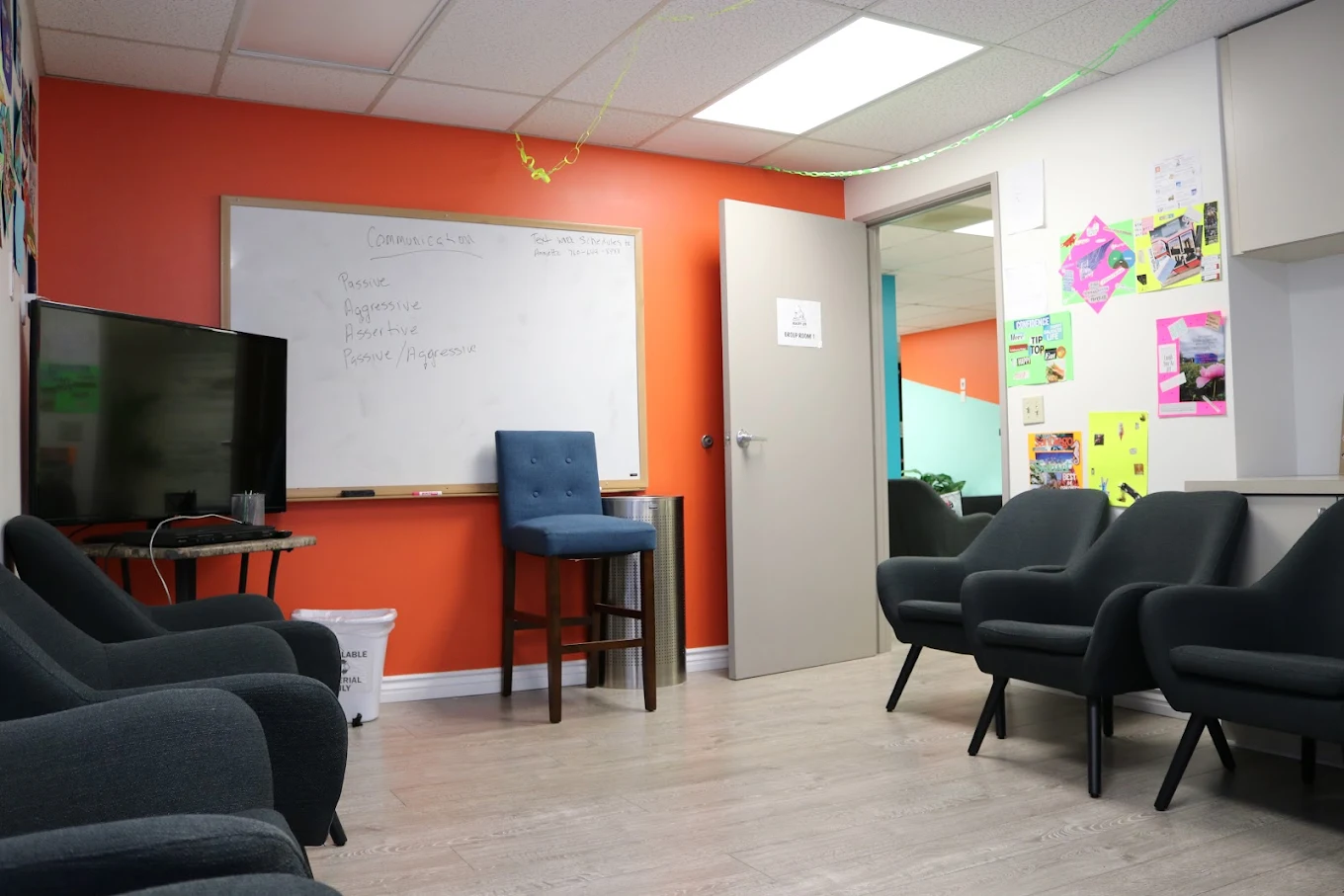
Our Facilities


Testimonials & Reviews
Posted on Google Debra OliversenTrustindex verifies that the original source of the review is Google. I am a recent client just retuning home from Healthy Life Recovery in San Diego, California. My intention was to stay only 30 days, however, I stayed almost one year. The staff is extremely knowledgeable and kept me engaged. I stayed at two sober living homes throughout my stay and they were both very clean and nice. The treatment and therapy I received was also quite helpful. I am sober today because Healthy Life allowed me to grow. I have found a new passion for life and will Forever, be grateful.Posted on Google Jill StrengerTrustindex verifies that the original source of the review is Google. I’m very grateful to Healthy Life Recovery for the amazing help given to me on my sobriety journey. I’ve spent years fighting childhood trauma and with the help of my wonderful therapist, Rachel I’ve been able to move past it. I can’t thank enough the owners Ryan & Keith, the Clinical Director Dr. Bonnie or the outstanding staff. The HLR staff are a wonderful bunch of kind people who really care about others success at long term sobriety. They were fortunate enough to survive this disease and they want you or your loved one to survive too. If you are looking to get sober and Stay Sober Healthy Life will get you and Keep You There!Posted on Google Mark BuccolaTrustindex verifies that the original source of the review is Google. I had been struggling with some major mental issues since August of 2024, which is when I admitted myself into a mental health facility for six nights and seven days in the San Fernando Valley. I wasn't able to get the proper after care treatment in Los Angeles due to Red Tape and lack of facilities. I reached out to Mädchen Amic who is the Founder/President of the Don't Mind Me Foundation in Palm Springs, Ca.I worked with her on Twin Peaks , Then Twin Peaks:The Return, and knew about her Foundation, and let her know my current situation. She was aware my past struggles. She contacted Keith Blanenship, who is the Executive Director at Healthy Life Recovery in San Diego,Ca.Within minutes, Keith contacted me. After a few minutes on then phone, He invited me down to check out their programs and facilities. The next day I drove down and was greeted by Keith. He gave me a guided tour of their operations. I was then introduced to Bonnie Mitchell, who is the Clinical Director at Healthy Life Recovery.Within seconds, I knew I had found the right home to get the help needed.What I didn't realize is that Mädchen had arranged a sponsorship thru The Don't Mind Me Scholarship Fund. I checked in two days later and had my Intake meeting with Bonnie. When that ended, I was then sent to my house I would be living at for a undecided amount of time. I want to thank Jody (House Captain) and my other six roommates who made me feel welcome and relaxed during my stay. My day consisted of four classes, medical checkups and weekly one on ones with Bonnie. Weekend events such as giving back to the community (Trash Clean Ups, Graffiti Removal), Hiking, Kickball, Volleyball, Softball, Canoeing are just some of the weekend events provided. After three weeks I felt I was ready to get back home, which was a tough decision because I enjoyed every second of my experience at Healthy Life Recovery. I am am now on their Out Patient program which includes daily assignments, Telehealth appointments and in person appointments with them once a month.I enjoy having the opportunity to still be involved with Healthy Life Recovery. I am now part of their Alumni Group, which means I can share my story with people with the same issues I have, and to inspire them the way I have been. I want to thank all of the staff and fellow clients at Healthy Life recovery. for helping me getting my life back on track.Posted on Google Chad YoungTrustindex verifies that the original source of the review is Google. I definitely wanted to add a positive review from my time at Healthy Life. Recently finished my program and I am cannot say enough good things about their program or “community” of staff / clients / owners. Like many, I have been in many rehabs and sober living houses and almost always felt like a number or just money for the programs. I came out to California for rehab and everyone there served as a secure replacement for family at home. To my surprise, I found nearly everything from their groups, community outings, individual therapy, and options for exercise / MMA training the perfect combination for myself. Added, I have sat through endless rehab groups over the years and basically watched the clock for them to end. Healthy Life’s groups and therapy actually sunk into my stubborn head. The therapists / case managers / group facilitators are very knowledgeable and organized with goals to better you emotionally and physically. Anyways, I will always be grateful for my time in their program, something I cannot say for most of my rehab experiences.Posted on Google Seif AbutayehTrustindex verifies that the original source of the review is Google. Healthy life saved my life and I am so grateful to them. The staff were super understanding and compassionate. I was able to process and accept a lot of my life through individual therapy as well as group therapy with my peers.Posted on Google Tristen SnowTrustindex verifies that the original source of the review is Google. Healthy Life Recovery is place to recover, change your life, and make connections with people trying to do the same thing. There are sober housing options as well. Basically Healthy Life is a key into a fantastic recovery community, as well as the knowledge you walk away with. They really teach you "how to fish sober" at this place. Big shout out to all the staff as well everyone I met really fostered growth. THANK YOU HEALTHY LIFE.Posted on Google Kirill MiroshkhinTrustindex verifies that the original source of the review is Google. I’ve been deeply grateful for the benefits I received from their program. The group sessions bring together individuals from very diverse backgrounds, often creating powerful spaces for vulnerability, insight, and moments of real healing. That said, true recovery begins when you make a wholehearted commitment to yourself and take full accountability for your journey. After all, you’re the only one who is with yourself 24/7. During the group sessions, be honest and open. Listen not only to the facilitators, but also to your fellow peers—everyone has something valuable to offer, especially when the group is engaged and present. Healing is possible—and it begins with you. Good luck!Posted on Google Allison SmithTrustindex verifies that the original source of the review is Google. I went to HLR for a year and it is hands down the best program in SD. The staff go above and beyond for the clients and truly care about their well being. I would recommend HLR to anyone looking to get better.
Medically Reviewed By:
Dr. John Allen, MD is a psychiatrist in El Cajon, CA and has over 45 years of experience in the medical field. Dr. Allen has extensive experience in Addiction & Substance Abuse and Psychotic Disorders. He graduated from Baylor University in 1976.