
Understanding How Your Digestive System Affects Your Mind
The relationship between your gut and brain is one of the most fascinating discoveries in modern medicine. If you’ve ever felt “butterflies in your stomach” before a big event or experienced digestive issues during times of stress, you’ve experienced the gut-brain connection firsthand. At Healthy Life Recovery, we recognize that true recovery from substance use disorders and mental health conditions requires addressing not just the mind, but the entire body—including the often-overlooked connection between gut health and mental wellbeing.
This comprehensive guide explores the science behind the gut-brain axis, its impact on mental health and addiction, and practical strategies for supporting both your digestive and mental wellness during recovery.
What Is the Gut-Brain Connection?
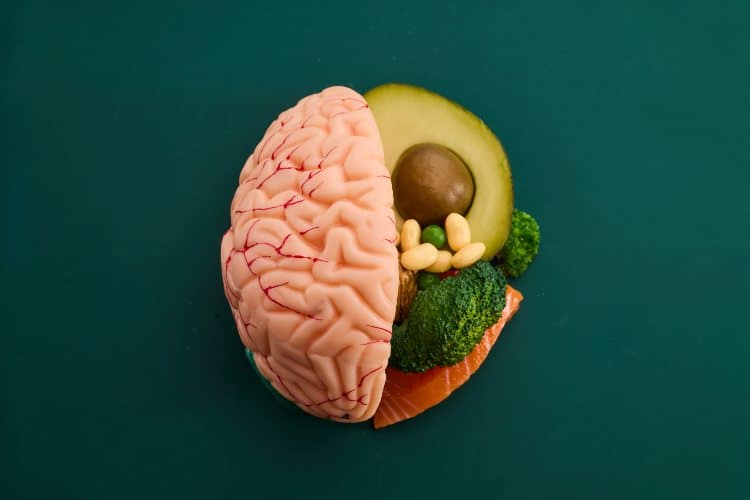
The gut-brain connection, formally known as the gut-brain axis, is a bidirectional communication system linking your digestive tract with your central nervous system. This relationship is far more sophisticated than most people realize—your gut contains approximately 100 to 500 million neurons, often leading scientists to call it your “second brain.”
The Key Players in Gut-Brain Communication
Several biological systems work together to facilitate communication between your gut and brain:
The Vagus Nerve: This major nerve serves as the primary physical connection between your brain and digestive system, constantly transmitting signals in both directions. Research shows the vagus nerve plays a crucial role in regulating mood, immune response, and even heart rate.
The Enteric Nervous System (ENS): Often called the “second brain,” the ENS is a complex network of neurons lining your gastrointestinal tract. It can function independently but works in constant communication with your central nervous system.
The Gut Microbiome: The trillions of bacteria, viruses, fungi, and other microorganisms living in your digestive tract don’t just help digest food—they produce neurotransmitters, regulate immune function, and influence brain chemistry.
Neurotransmitters and Hormones: Your gut produces and regulates many of the same chemical messengers found in your brain, including serotonin, dopamine, and gamma-aminobutyric acid (GABA).
The Immune System: Approximately 70% of your immune system resides in your gut. The gut microbiome helps train and regulate immune responses, which can affect inflammation throughout your body—including your brain.
The Gut Microbiome: A Microscopic Ecosystem Affecting Your Mind
Your gut is home to an estimated 100 trillion microorganisms representing over 1,000 different species. This diverse ecosystem, collectively known as the gut microbiome, weighs approximately four pounds and contains as many cells as the entire human body.
How Gut Bacteria Influence Brain Chemistry
Recent research published by the National Institutes of Health has revealed that gut bacteria play a direct role in producing and regulating neurotransmitters—the chemical messengers that affect mood, cognition, and behavior:
Serotonin Production: Approximately 90-95% of your body’s serotonin is produced in your gut, not your brain. Serotonin plays a critical role in mood regulation, sleep, appetite, and pain perception. Gut bacteria influence serotonin production through enterochromaffin cells in the intestinal lining.
GABA (Gamma-Aminobutyric Acid): This major inhibitory neurotransmitter helps calm the nervous system and reduce anxiety. Studies show that specific gut bacteria, particularly Bacteroides and Lactobacillus species, produce GABA in the digestive tract. Decreased Bacteroides levels correlate with depression-associated brain patterns.
Dopamine: Multiple gut bacteria species can produce dopamine, the neurotransmitter central to motivation, reward, and pleasure. While gut-produced dopamine doesn’t directly cross the blood-brain barrier, it influences the precursors and metabolic pathways that affect brain dopamine levels.
Short-Chain Fatty Acids (SCFAs): When beneficial gut bacteria ferment dietary fiber, they produce SCFAs like butyrate, acetate, and propionate. These compounds help maintain the integrity of the blood-brain barrier, reduce neuroinflammation, and support overall brain health.
The Balance of Bacterial Communities
- A healthy gut microbiome is characterized by diversity and balance among different bacterial species. The two dominant phyla—Firmicutes and Bacteroidetes—need to maintain appropriate ratios for optimal health. Research consistently shows that people with mental health conditions often have:
- Reduced microbial diversity
- Decreased beneficial bacteria like Lactobacillus and Bifidobacterium
- Increased pro-inflammatory bacteria
- Altered Firmicutes-to-Bacteroidetes ratios
The Gut-Brain Connection and Mental Health Disorders
Mounting scientific evidence demonstrates strong links between gut health and various mental health conditions. Understanding these connections opens new avenues for treatment and prevention.
Depression and Gut Health
Multiple studies published in peer-reviewed journals have identified distinct differences in the gut microbiome of people with depression compared to healthy individuals. Research shows:
- People with depression often have higher levels of pro-inflammatory bacteria
- Decreased levels of GABA-producing Bacteroides correlate with depression symptoms
- Gut inflammation and “leaky gut” (increased intestinal permeability) allow bacterial products to enter the bloodstream, triggering systemic inflammation that affects brain function
- Fecal microbiota transplants from people with depression can induce depressive-like behaviors in animal models, while probiotics show promise in alleviating symptoms
The relationship appears bidirectional: depression can alter gut bacteria composition, while gut dysbiosis can contribute to depressive symptoms.
Anxiety Disorders and the Microbiome
The gut-brain axis plays a significant role in anxiety disorders through several mechanisms:
- HPA Axis Dysregulation: The gut microbiome helps regulate the hypothalamic-pituitary-adrenal (HPA) axis, your body’s stress response system. An imbalanced microbiome can lead to HPA axis overactivation, resulting in elevated cortisol, heightened anxiety, and poor stress management.
- Neurotransmitter Imbalances: Gut dysbiosis affects the production and availability of calming neurotransmitters like GABA and serotonin, potentially contributing to anxiety symptoms.
- Inflammation: Chronic gut inflammation triggers immune responses that can cross the blood-brain barrier, affecting brain regions involved in emotional regulation.
Studies show that probiotics containing specific strains like Lactobacillus and Bifidobacterium can reduce anxiety symptoms in some individuals, with effects comparable to conventional prescription medications in certain research trials.
Other Mental Health Conditions
The gut-brain connection has been implicated in numerous other psychiatric and neurological conditions:
- Autism Spectrum Disorder (ASD): Children with ASD frequently experience gastrointestinal problems and show distinct gut microbiome patterns. Research suggests that improving gut health may help alleviate some behavioral and emotional symptoms associated with autism.
- Bipolar Disorder: Emerging evidence links gut microbiome alterations to mood instability and bipolar symptoms.
- Schizophrenia: Studies have identified specific microbiome differences in people with schizophrenia, suggesting gut health may play a role in this complex condition.
- Post-Traumatic Stress Disorder (PTSD): The gut microbiome appears to influence how individuals respond to and recover from trauma.
- Attention-Deficit/Hyperactivity Disorder (ADHD): Research is uncovering connections between gut health and attention, impulse control, and hyperactivity.
The Gut-Brain Connection in Addiction and Recovery
For individuals struggling with substance use disorders, the gut-brain connection takes on additional significance. Substance abuse profoundly affects gut health, while gut dysfunction can influence addiction-related behaviors and recovery outcomes.
How Substance Use Disrupts Gut Health
Different substances of abuse affect the gut microbiome in distinct ways, but common patterns include:
Alcohol: Research from the National Institute on Alcohol Abuse and Alcoholism (NIAAA) shows that chronic alcohol consumption causes significant gut damage, including:
- Decreased microbial diversity
- Increased intestinal permeability (“leaky gut”)
- Overgrowth of pro-inflammatory bacteria
- Reduced beneficial bacteria like Lactobacillus and Bifidobacterium
- Malabsorption of essential nutrients
- Increased systemic inflammation
Studies show that people with alcohol use disorder have markedly different gut microbiome compositions compared to healthy individuals, with these changes correlating to cravings and anxiety during withdrawal.
Opioids: Research published by NIH shows that opioid use dramatically alters gut function and microbiome composition through multiple mechanisms:
- Severe constipation and altered gut motility
- Disrupted bile acid metabolism
- Increased intestinal inflammation
- Changes in beneficial bacteria populations
Research indicates that the gut microbiome influences opioid tolerance and effectiveness, with some probiotic strains showing potential to enhance pain relief and reduce tolerance development.
Stimulants (Cocaine, Methamphetamine): Psychostimulants affect the gut-brain axis by:
- Altering dopamine-related bacterial metabolites
- Increasing gut inflammation
- Disrupting normal feeding patterns and nutrient absorption
- Affecting the gut’s barrier function
Other Substances: Cannabis, benzodiazepines, and other commonly abused substances also show associations with gut microbiome changes, though research in these areas is still emerging.
The Gut-Brain Connection in Addiction Mechanisms
The relationship between gut health and addiction operates through several interconnected pathways:
- Reward System Dysregulation: The gut microbiome influences dopamine production and signaling in the brain’s reward pathway. Gut dysbiosis may alter how individuals experience pleasure and motivation, potentially affecting vulnerability to addiction and recovery outcomes.
- Cravings and Relapse: Emerging research suggests that gut bacteria may influence substance cravings. One groundbreaking study found that people with abnormal gut bacteria composition had significantly higher rates of anxiety, depression, and alcohol cravings after treatment, with these individuals showing increased likelihood of relapse.
- Withdrawal Symptoms: Gut inflammation and microbial imbalances may worsen withdrawal symptoms, making early recovery more challenging. Addressing gut health during detox and early recovery may help reduce symptom severity.
- Co-occurring Mental Health Conditions: According to SAMHSA (Substance Abuse and Mental Health Services Administration), approximately 50-51% of people with substance use disorders also experience mental health conditions. Given that the gut microbiome affects both, healing the gut may provide benefits for both addiction and mental health.
- Inflammation and Neuroplasticity: Substance-induced gut inflammation can impair the brain’s ability to heal and form new neural connections during recovery. Reducing gut inflammation may support neuroplasticity and long-term recovery.
Nutrition and the Four Pillars Approach at Healthy Life Recovery
At Healthy Life Recovery, we understand that lasting recovery requires addressing the whole person. Our approach is built on Four Pillars: Education, Exercise and Wellness, Nutrition, and Recovery Community. The gut-brain connection underscores the critical importance of the nutrition pillar in supporting both mental health and addiction recovery.
Our nutrition-focused approach recognizes that proper nutrition doesn’t just fuel physical recovery—it directly supports brain healing, mood regulation, and gut microbiome restoration. We work with clients to develop personalized nutrition plans that support gut health and mental wellness throughout their recovery journey.
Healing Your Gut to Support Your Brain
Understanding the gut-brain connection is the first step; implementing strategies to support both systems is where transformation happens. Here are evidence-based approaches to improving gut health and, by extension, mental wellbeing:
Dietary Approaches to Support Gut-Brain Health
Emphasize Whole, Unprocessed Foods: Processed foods often contain additives, preservatives, and artificial ingredients that disrupt the gut microbiome. Focus on:
- Fresh fruits and vegetables
- Whole grains
- Lean proteins
- Healthy fats from sources like avocados, nuts, seeds, and fish
- Legumes and beans
Increase Dietary Fiber: Fiber serves as fuel for beneficial gut bacteria, which ferment it into health-promoting short-chain fatty acids. Aim for diverse fiber sources including:
- Vegetables (leafy greens, cruciferous vegetables, root vegetables)
- Fruits (especially berries, apples, and citrus)
- Whole grains (oats, quinoa, brown rice)
- Legumes (lentils, chickpeas, black beans)
- Nuts and seeds
Include Probiotic-Rich Foods: Probiotics are beneficial bacteria that can help restore gut balance. Natural food sources include:
- Yogurt with live active cultures
- Kefir
- Sauerkraut and other fermented vegetables
- Kimchi
- Kombucha
- Miso and tempeh
Research shows that consuming probiotic foods may be more beneficial than supplements for mental health, as whole foods provide additional nutrients and fiber.
Add Prebiotic Foods: Prebiotics are compounds that feed beneficial gut bacteria. Good sources include:
- Garlic and onions
- Leeks and asparagus
- Bananas (especially slightly under-ripe)
- Jerusalem artichokes
- Whole grains
Omega-3 Fatty Acids: These healthy fats reduce inflammation throughout the body, including the gut and brain. Find them in:
- Fatty fish (salmon, mackerel, sardines)
- Walnuts
- Flaxseeds and chia seeds
- Algae-based supplements for those following plant-based diets
Limit Inflammation-Triggering Foods: Minimize consumption of:
- Added sugars and artificial sweeteners
- Highly processed foods
- Excessive alcohol
- Trans fats and excessive saturated fats
Stay Hydrated: Adequate water intake supports healthy digestion, nutrient absorption, and the mucosal lining of the intestines.
Lifestyle Factors That Support the Gut-Brain Axis
Regular Physical Activity: Exercise benefits both gut and brain health by:
- Promoting healthy gut motility
- Increasing microbial diversity
- Reducing inflammation
- Supporting neurotransmitter production
- Managing stress
At Healthy Life Recovery, our Active Recovery Tracks offer engaging physical activities like surfing, yoga, martial arts, and more to support holistic healing.
Stress Management: Chronic stress disrupts gut function and microbiome composition. Effective stress management techniques include:
- Meditation and mindfulness practices
- Deep breathing exercises
- Yoga
- Progressive muscle relaxation
- Time in nature
Our holistic addiction treatment approach incorporates stress management techniques that support both mental health and gut function.
Adequate Sleep: Sleep and gut health have a bidirectional relationship. Poor sleep affects the microbiome, while gut dysbiosis can disrupt sleep. Prioritize:
- Consistent sleep schedule
- 7-9 hours of quality sleep nightly
- Good sleep hygiene practices
Limit Antibiotic Use: While antibiotics are sometimes necessary, they significantly disrupt the gut microbiome by eliminating both harmful and beneficial bacteria. Use antibiotics only when medically necessary and consider probiotic supplementation during and after treatment.
Therapeutic Interventions
Probiotics and Prebiotics: While dietary sources are preferred, supplements may be beneficial in certain situations:
- Specific probiotic strains (Lactobacillus and Bifidobacterium species) show promise for anxiety and depression
- Prebiotics can support the growth of beneficial bacteria
- “Psychobiotics” are emerging as targeted microbial therapeutics for mental health
Consult with healthcare providers to determine if supplementation is appropriate for your individual needs.
Nutritional Counseling: Working with a qualified nutritionist or dietitian can help develop a personalized plan that addresses your unique gut health needs and supports recovery.
Comprehensive Treatment Approaches: At Healthy Life Recovery, we recognize that healing requires addressing the whole person. Our evidence-based therapies, including Cognitive Behavioral Therapy (CBT) and Dialectical Behavior Therapy (DBT), complement nutritional approaches to support comprehensive healing.
The Future of Gut-Brain Research in Addiction Treatment
The field of microbiome research is rapidly evolving, with exciting implications for addiction treatment according to NIDA (National Institute on Drug Abuse):
Personalized Medicine: Advances in microbiome testing may soon allow providers to create highly personalized treatment plans based on individual gut bacteria profiles.
Novel Therapeutics: Researchers are developing targeted probiotic strains (“psychobiotics”) specifically for mental health and addiction applications.
Fecal Microbiota Transplants (FMT): While still experimental for addiction, early studies show promise for FMT in treating alcohol use disorder, with some trials showing significant reductions in cravings.
Biomarkers for Relapse Risk: Gut microbiome analysis may eventually help identify individuals at higher risk for relapse, allowing for early intervention.
Integrated Treatment Models: The growing understanding of the gut-brain connection is leading to more comprehensive treatment approaches that address both mental health and physical wellbeing simultaneously.
Addressing Gut Health as Part of Comprehensive Recovery
At Healthy Life Recovery, we believe that true recovery requires more than just addressing the addiction itself. Our comprehensive approach considers all aspects of health, including the critical gut-brain connection.
Our San Diego rehab center offers:
- Medically Supervised Detox: Our drug and alcohol detox program provides safe, comfortable withdrawal management that considers the impact of detoxification on gut health.
- Nutritional Support: Throughout treatment, we emphasize nutrition as a cornerstone of recovery, helping clients develop eating habits that support both gut health and mental wellness.
- Holistic Therapies: Our holistic addiction treatment approach recognizes that healing occurs on multiple levels—physical, mental, emotional, and spiritual.
- Dual Diagnosis Treatment: Many of our clients struggle with both substance use disorders and mental health conditions. Our dual diagnosis program addresses both simultaneously, recognizing their interconnection through systems like the gut-brain axis.
- Ongoing Support: Recovery doesn’t end after initial treatment. Our outpatient programs and partnerships with sober living facilities provide continued support as you integrate healthy habits into daily life.
Key Takeaways: The Gut-Brain Connection and Your Health
Understanding the gut-brain connection reveals that mental health, addiction, and digestive wellness are intimately intertwined:
- The gut and brain communicate constantly through multiple pathways including the vagus nerve, neurotransmitters, immune signals, and bacterial metabolites.
- Your gut produces most of your serotonin and influences other key neurotransmitters that affect mood, anxiety, and motivation.
- Gut microbiome imbalances are consistently found in people with depression, anxiety, and substance use disorders.
- Substance abuse disrupts gut health, creating a cycle that may worsen mental health symptoms and increase relapse risk.
- Diet profoundly affects the gut-brain axis through its impact on the microbiome, inflammation, and neurotransmitter production.
- Healing the gut supports recovery by reducing inflammation, improving neurotransmitter production, and supporting overall mental health.
- Recovery requires a comprehensive approach that addresses physical, mental, and nutritional health together.
Begin Your Journey to Comprehensive Healing
- The gut-brain connection represents a powerful but often overlooked aspect of mental health and addiction recovery. By addressing gut health alongside traditional treatment approaches, you can support your brain’s natural healing processes and build a stronger foundation for lasting recovery.At Healthy Life Recovery, we understand that every person’s journey is unique. Our experienced team provides personalized care that considers all aspects of your wellbeing, including the critical connections between gut health, mental health, and addiction.
If you or a loved one is struggling with substance use disorders, mental health conditions, or both, we’re here to help. Our compassionate team in San Diego offers evidence-based treatment approaches integrated with holistic healing practices that support your entire system—including the vital gut-brain connection.
Contact us today at (844) 252-8347 to learn more about our comprehensive treatment programs and how we can support your journey to lasting recovery and optimal health.
References and Further Reading
- The information in this article is based on current scientific research from authoritative sources including:
- National Institutes of Health (NIH) – PubMed Central – Peer-reviewed research on the gut-brain axis and mental health
- National Institute on Alcohol Abuse and Alcoholism (NIAAA) – Research on alcohol’s effects on the brain and body
- National Institute on Drug Abuse (NIDA) – Scientific research on drug use and addiction
- Substance Abuse and Mental Health Services Administration (SAMHSA) – Federal resources for behavioral health
For specific citations or to learn more about the research behind the gut-brain connection, please consult with our medical team or your healthcare provider.