

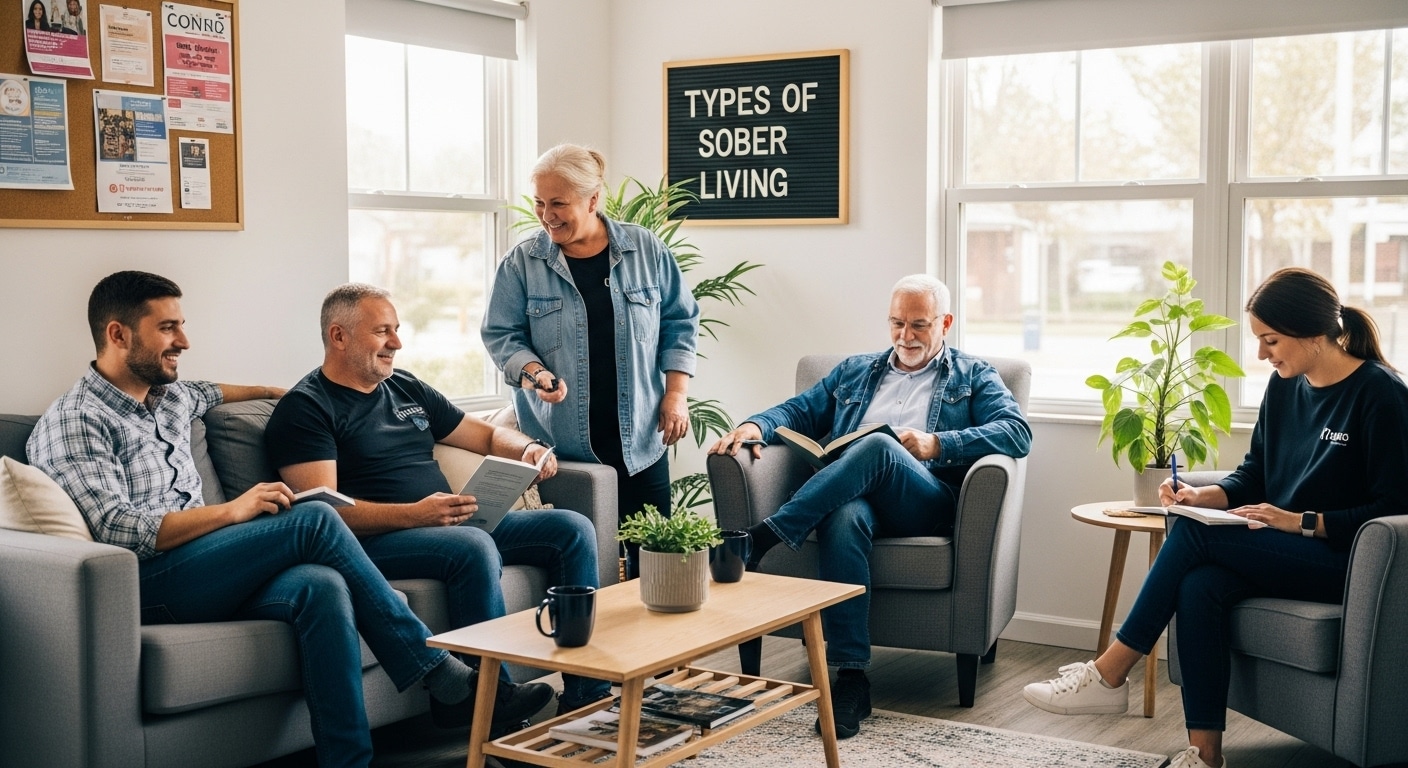
Sober living environments have become a lifeline for people seeking lasting recovery, giving structure and support during one of the toughest battles anyone can face. Most people know these homes provide a safe place free from drugs and alcohol. But here is something that might surprise you. Research found that sober living houses can lead to a substantial reduction in substance use rates and a sharp increase in employment stability. That kind of impact goes way beyond a basic roof over your head and opens the door to real, measurable change for individuals and their communities.
Quick Summary
| Takeaway | Explanation |
| Sober living environments support sobriety | These spaces provide structure and peer accountability essential for long-term recovery. |
| Daily routines enhance recovery success | Regular check-ins and scheduled activities create a disciplined lifestyle, crucial for avoiding relapse. |
| Skill development is integral | Residents engage in life skills training, improving job prospects and personal relationships, facilitating reintegration. |
| Customized options cater to various needs | Different sober living models offer tailored support, addressing specific recovery challenges and demographics. |
| Measurable benefits extend to society | Successful sober living leads to reduced healthcare costs, improved employment stability, and community contributions. |
What are Sober Living Environments?
Sober living environments (SLEs) represent structured, supportive residential spaces designed to help individuals in recovery maintain sobriety and successfully transition back into independent living. These alcohol and drug-free housing options provide a critical bridge between intensive treatment programs and full community reintegration.
Understanding the Core Purpose
Sober living environments offer more than just a place to live. They create a structured, supportive ecosystem that helps individuals rebuild their lives after substance use treatment. According to research from the National Library of Medicine, these settings emphasize several key elements of recovery:
- Peer support and accountability
- Substance-free living conditions
- Development of healthy coping mechanisms
- Gradual reintegration into society
These environments recognize that recovery is not a linear process and require ongoing support, structured guidance, and a community that understands the challenges of maintaining sobriety.
Key Characteristics of Sober Living
Typical sober living environments share common characteristics that distinguish them from standard group housing. Residents typically agree to specific house rules that support their recovery journey. These might include:
- Regular drug and alcohol testing
- Mandatory participation in recovery meetings
- Shared household responsibilities
- Curfews and structured daily schedules
- Active engagement in personal and professional development
The goal is to create a stable, supportive environment that minimizes relapse risks while helping individuals develop the life skills necessary for long-term recovery. Residents learn to navigate daily challenges, rebuild relationships, seek employment, and establish healthy routines without depending on substances.
The following table outlines the core features commonly found in sober living environments, summarizing how they contribute to recovery and structure in daily life.
| Feature | Purpose in Sober Living | Example/Impact |
| Drug and Alcohol Testing | Monitor and enforce sobriety | Detect and prevent relapse within the home |
| Participation in Recovery Meetings | Foster community and accountability | Build support networks and recovery skills |
| Shared Household Responsibilities | Teach practical life skills, promote collaboration | Chores, cooking, budgeting together |
| Curfews and Structured Schedules | Create routine and discipline | Reduce risk of relapse in unstructured situations |
| Engagement in Skills Development | Support reintegration and independence | Job training, financial literacy workshops |
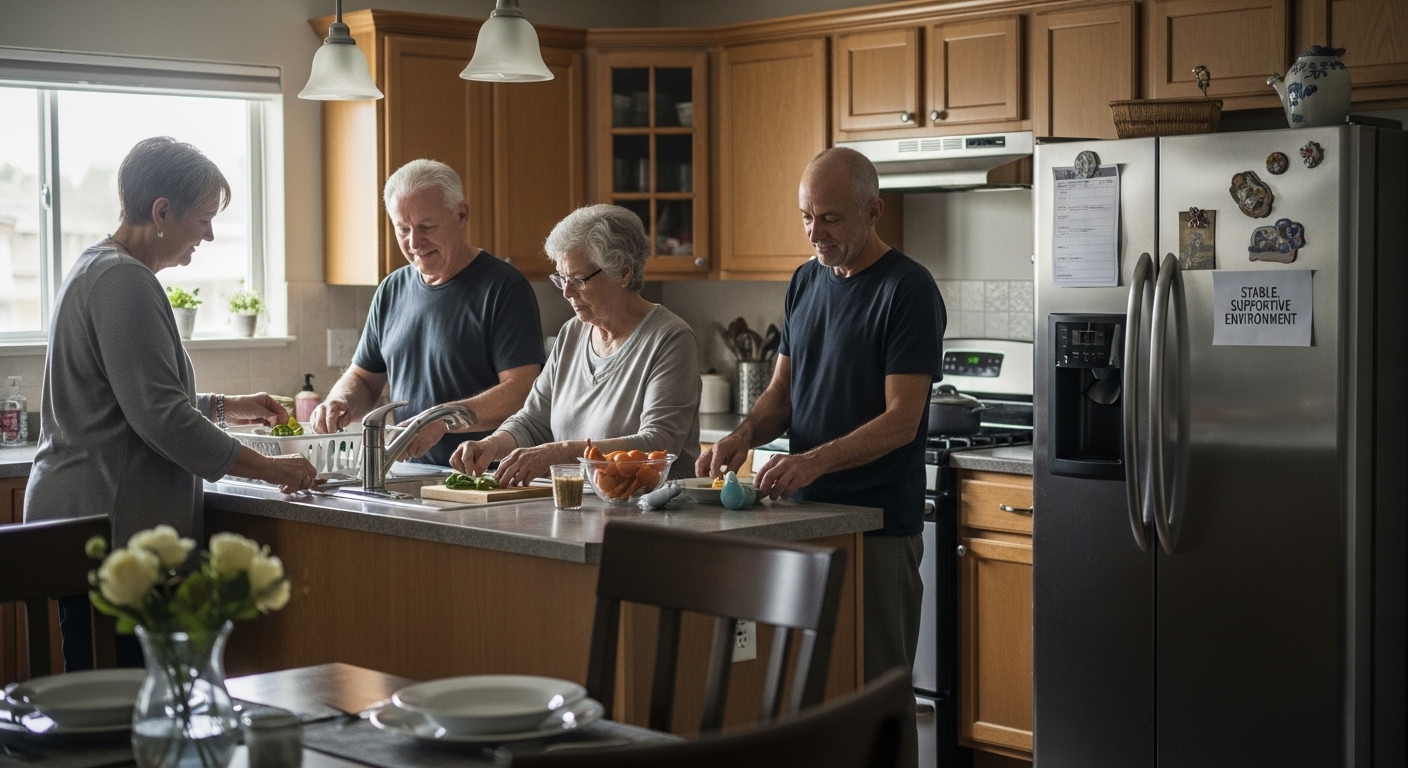
Sober living environments are not one-size-fits-all. They vary in structure, rules, and support levels, allowing individuals to find a setting that best matches their specific recovery needs and personal circumstances.
Why Sober Living Matters for Recovery
Sober living environments are far more than temporary housing solutions. They represent critical lifelines in the journey of addiction recovery, providing structured support during one of the most vulnerable periods of an individual’s rehabilitation process.
Breaking the Cycle of Addiction
Recovery is not simply about stopping substance use. It involves fundamental life transformation. According to research published in the Journal of Psychoactive Drugs, sober living houses significantly improve outcomes by addressing multiple dimensions of recovery:
- Reducing likelihood of relapse
- Rebuilding personal and professional relationships
- Developing healthy coping mechanisms
- Creating sustainable lifestyle changes
These environments recognize that addiction recovery extends far beyond physical detoxification. They provide a comprehensive approach to healing that addresses psychological, social, and emotional challenges.
Supportive Transition to Independent Living
The transition from intensive treatment back to independent living can be overwhelmingly complex. Sober living environments act as crucial stabilization platforms that help individuals gradually rebuild their lives. Residents learn essential life skills, practice accountability, and receive peer support while developing strategies to manage potential triggers.
Individuals can explore our guide on the four pillars of lasting sobriety to understand the comprehensive approach needed for sustainable recovery. By providing a structured yet compassionate environment, sober living spaces dramatically increase an individual’s chances of long-term success, offering hope and practical support during a challenging transition period.
Key Types of Sober Living Options
Sober living environments are not uniform. They represent diverse residential models designed to support individuals at different stages of recovery, each offering unique approaches to maintaining sobriety and rebuilding life skills.
Below is a comparison of the primary types of sober living environments described in the article to help you understand their features and differences.
| Type of Sober Living Environment | Governance/Management | Key Characteristics | Ideal For |
| Peer-Driven (Self-Governed) | Resident-managed | Democratic rules, shared accountability, no staff | Those seeking independence and peer support |
| Structured Managed Sober Living Homes | Professionally managed | On-site staff, mandatory drug testing, counseling | Individuals needing greater structure |
| Specialized Sober Living Programs | Either model possible | Demographic-specific support, tailored resources | Specialized populations (veterans, women) |
Peer-Driven Sober Living Environments
Peer-driven sober living environments, often called self-governed houses, emphasize collective responsibility and mutual support. According to research from the National Institutes of Health, these settings share distinctive characteristics:
- Democratically established house rules
- Collective decision-making processes
- Shared financial responsibilities
- Equal accountability among residents
Typically exemplified by Oxford Houses, these environments empower residents to manage their recovery collectively, creating a strong community support network without professional intervention.

Structured Managed Sober Living Homes
In contrast to peer-driven models, structured managed sober living homes feature professional oversight and more rigorous operational frameworks. These environments provide intensive support through:
- Professional house managers
- Mandatory drug testing
- Structured daily schedules
- Individual and group counseling integration
- Graduated independence levels
These homes offer a more clinical approach, ideal for individuals requiring more structured guidance during early recovery stages. You can learn more about finding appropriate sober living options in San Diego to understand local resources and support networks.
Specialized Sober Living Programs
Beyond traditional models, specialized sober living programs cater to specific demographic groups or recovery needs. These might include gender-specific houses, programs for professionals, veterans, or individuals with co-occurring mental health conditions. Such targeted environments recognize that recovery is not a one-size-fits-all journey and provide tailored support addressing unique challenges and backgrounds.
How Sober Living Works in Practice
Sober living environments transform theoretical recovery concepts into practical, daily experiences that support sustained healing and personal growth. These structured residential settings create systematic pathways toward rehabilitation that address multiple dimensions of recovery simultaneously.
Daily Structure and Accountability
According to research involving sober living residents, successful recovery hinges on consistent daily practices and robust accountability mechanisms. The practical implementation typically involves:
- Mandatory morning and evening check-ins
- Regular drug and alcohol screening
- Participation in individual and group therapy sessions
- Maintenance of personal living spaces
- Adherence to house-specific behavioral guidelines
These structured routines help residents rebuild discipline, develop healthy habits, and create predictable environments that minimize potential relapse triggers.
Skill Development and Personal Growth
Beyond maintaining sobriety, sober living environments function as comprehensive rehabilitation platforms. Residents engage in holistic personal development through:
- Career counseling and job skill training
- Financial management workshops
- Communication and relationship rebuilding strategies
- Stress management and emotional regulation techniques
You can explore more about supportive recovery strategies through 12-step meetings to understand complementary approaches to sustained recovery.
Community Integration and Support
The final critical component of sober living involves gradual community reintegration. Residents learn to balance newfound sobriety with real-world responsibilities, developing social networks that support continued recovery. This process involves carefully managed interactions, volunteer opportunities, and structured social activities that help individuals rebuild confidence and practical life skills without compromising their commitment to sobriety.
Real-World Impact of Sober Living
Sober living environments represent more than theoretical recovery models. They are practical transformation platforms that demonstrably improve individuals’ lives across multiple critical dimensions of personal and social functioning.
Measurable Recovery Outcomes
According to comprehensive research from UCLA Integrated Substance Abuse Programs, sober living houses produce significant, verifiable improvements in residents’ lives. Key measurable outcomes include:
- Substantial reduction in substance use rates
- Decreased arrest and legal involvement
- Increased employment stability
- Improved mental health indicators
- Enhanced personal relationship quality
These quantifiable results highlight sober living’s profound potential for creating meaningful, sustainable life changes beyond addiction recovery.
Long-Term Social Reintegration
Beyond immediate recovery metrics, sober living environments facilitate comprehensive social rehabilitation. Residents gradually rebuild critical life skills, professional capabilities, and interpersonal networks. This holistic approach addresses the underlying psychological and social challenges that frequently contribute to substance use disorders.
To understand how substance use impacts individual health, you can explore the short-term effects of alcohol and recognize the importance of structured recovery environments.
Economic and Community Benefits
The positive impacts of sober living extend beyond individual transformation. By supporting successful recovery and reducing recidivism, these environments generate broader societal advantages. Individuals who complete sober living programs become productive community members, reducing healthcare costs, lowering criminal justice expenses, and contributing positively to workforce development and economic stability.
Ready to Experience Lasting Change Through the Right Sober Living Option?
Navigating recovery often means facing uncertainty about what happens once formal treatment ends. Many people struggle to find a stable and supportive environment that fosters accountability, healthy routines, and true independence. This article highlighted the difference the right sober living home can make—helping you overcome relapse risks, rebuild life skills, and gradually gain confidence in your sobriety. At Healthy Life Recovery, we understand these challenges. Our San Diego sober living programs are designed around structured support, compassionate guidance, and evidence-based strategies that meet you at every stage of your journey. Discover a space where your recovery is valued and your personal growth is possible.
Why wait to build momentum in your recovery journey? Take the next step now by exploring your sober living options with Healthy Life Recovery. Learn how our full continuum of care—from detox and treatment through supportive sober living—can help you or your loved one thrive. Reach out today for more information and let us guide you to the solutions you deserve.
Frequently Asked Questions
What are sober living environments?
Sober living environments (SLEs) are structured residential spaces designed to support individuals in recovery from substance use disorders. They provide a supportive and drug-free living environment that helps individuals transition from intensive treatment to independent living.
How do peer-driven sober living environments work?
Peer-driven sober living environments, also known as self-governed houses, rely on residents to establish house rules and maintain accountability collectively. This model fosters mutual support and empowerment among residents, allowing them to manage their recovery collaboratively without professional oversight.
What distinguishes managed sober living homes from peer-driven environments?
Managed sober living homes feature professional oversight and structured guidelines, including mandatory drug testing and daily schedules. These homes are designed for individuals who require more intensive support during the early stages of their recovery, unlike peer-driven models that depend on resident self-governance.
Are there specialized sober living programs?
Yes, there are specialized sober living programs tailored to specific demographic groups or needs, such as gender-specific houses, programs for professionals, or those addressing co-occurring mental health conditions. These programs provide targeted support to meet the unique challenges faced by different individuals in recovery.