


Detox programs are often seen as the first step people take when trying to break free from addiction. Here is something surprising. Over 20 million Americans struggle with a substance use disorder, yet only a small percentage ever complete a supervised detox program. Most people think detox is just about getting the drugs out of your system, but what really matters is how detox sets up the mind and body for lasting recovery. This flips the script on what makes detox truly important.
Quick Summary
| Takeaway | Explanation |
|---|---|
| Detox is essential for recovery. | Detox programs help individuals safely transition from substance dependence to long-term recovery strategies. |
| Medical supervision reduces health risks. | Continuous medical oversight during detox addresses withdrawal symptoms and prevents potential complications. |
| Holistic approaches support overall healing. | Incorporating nutrition and counseling in detox programs fosters physical, mental, and emotional recovery. |
| Tailored programs meet individual needs. | Selecting a detox program based on personal health and substance use history enhances effectiveness. |
| Psychological support is crucial. | Comprehensive emotional assistance during detox prepares individuals for further addiction treatment. |
What are Detox Programs and Their Purpose?
Detox programs represent a critical first step in addressing substance use disorders, offering individuals a structured and medically supervised pathway to safely remove toxic substances from their body. These specialized medical interventions help individuals manage potentially dangerous withdrawal symptoms while preparing them for comprehensive addiction treatment.
Understanding the Core Purpose
The primary objective of detox programs is to support individuals through the complex physical and psychological challenges of substance withdrawal. Researchers from the National Institute on Drug Abuse confirm that medically managed detoxification helps stabilize patients and reduce potential health risks associated with sudden substance cessation.
Key aspects of detox programs include:
- Providing medical supervision during withdrawal
- Managing potentially dangerous physical symptoms
- Reducing risks of relapse during early recovery stages
- Preparing individuals for subsequent rehabilitation treatment
Medical Supervision and Safety
Professional detox programs distinguish themselves through comprehensive medical oversight. Healthcare professionals monitor patients continuously, addressing withdrawal symptoms, managing potential complications, and ensuring physical and psychological safety. This approach is particularly crucial for substances like alcohol and benzodiazepines, where unsupervised withdrawal can pose significant health risks.
For those seeking more in-depth information about recovery pathways, our comprehensive guide on addiction treatment offers additional insights into the detoxification process and subsequent rehabilitation strategies.
The Importance of Detox in Substance Use Recovery
Detox represents a transformative initial phase in addiction recovery, serving as a critical bridge between active substance use and long term rehabilitation. By addressing the complex physiological dependencies that develop during prolonged substance abuse, detox programs create a foundation for sustainable healing and personal transformation.
Physiological Reset and Healing
Research from the Substance Abuse and Mental Health Services Administration indicates that detoxification provides individuals with a medically supervised opportunity to safely eliminate toxic substances from their body while managing potentially dangerous withdrawal symptoms. This process allows the body to begin healing and restoring normal neurological and metabolic functions disrupted by chronic substance abuse.
Key physiological benefits of detox include:
- Stabilizing body chemistry and neurotransmitter balance
- Reducing immediate health risks associated with substance dependence
- Supporting organ recovery, particularly liver and brain function
- Breaking the immediate cycle of substance consumption
Psychological Foundation for Recovery
Beyond physical healing, detox programs provide crucial psychological support that prepares individuals for comprehensive addiction treatment. By managing withdrawal symptoms and offering professional counseling, these programs help patients develop initial coping strategies and emotional resilience. Learn more about our integrated recovery approaches that support holistic healing and long term recovery.
The psychological components of detox are equally important as the physical interventions, helping individuals transition from active addiction to a mindset of recovery and personal growth. Professional support during this vulnerable period can significantly improve an individual’s motivation and commitment to subsequent rehabilitation efforts.

Common Types of Detox Programs and Their Characteristics
Detox programs are not one size fits all, but rather specialized interventions tailored to specific substances, individual health needs, and recovery goals. Understanding the various types helps individuals and families make informed decisions about the most appropriate treatment pathway.
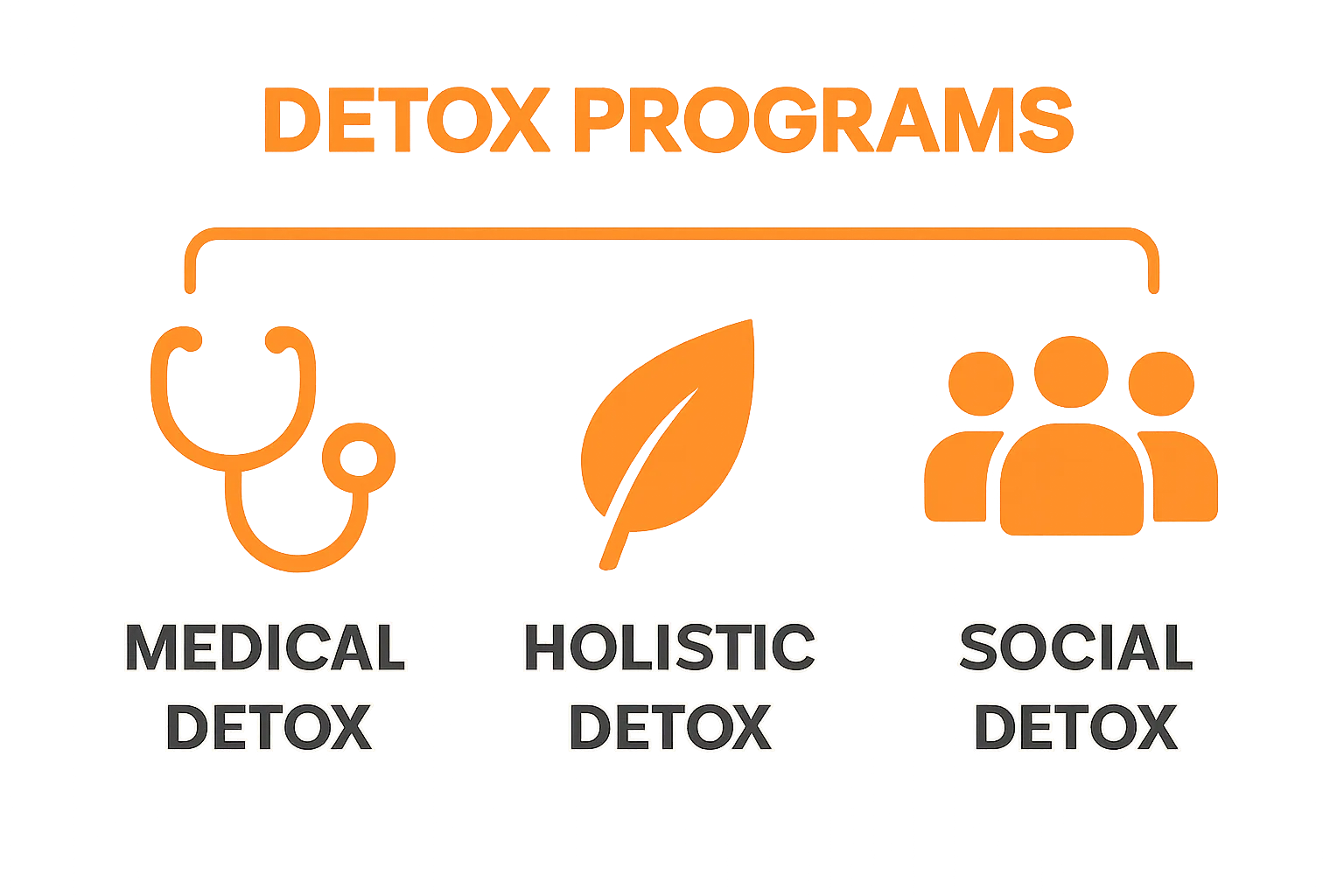
Medical Detox Programs
Researchers from the National Institute on Drug Abuse highlight medical detox as the most comprehensive approach to substance withdrawal. These programs provide round the clock medical supervision, utilizing medications and professional healthcare monitoring to manage potentially dangerous withdrawal symptoms safely.
Key characteristics of medical detox include:
- 24/7 professional medical supervision
- Medication assisted treatment for symptom management
- Immediate medical intervention for potential complications
- Comprehensive health assessments and monitoring
- Individualized treatment protocols
Holistic and Social Detox Approaches
Holistic detox programs offer alternative strategies that complement traditional medical interventions. These approaches focus on healing the entire person physical, mental, and emotional dimensions of addiction. By incorporating nutrition, counseling, and therapeutic activities, holistic programs support comprehensive recovery.
For those interested in exploring our specialized detox approaches, our comprehensive treatment models integrate multiple recovery strategies.
Social detox programs, typically less intensive, provide peer support and counseling without extensive medical intervention. These programs work best for individuals with less severe substance dependencies and strong support networks. Understanding individual needs remains crucial in selecting the most effective detox strategy.
To clarify the distinctions between various detox program approaches described in the article, here is a comparison table outlining key features and differences.
| Type of Detox Program | Medical Supervision | Use of Medication | Primary Focus | Best Suited For |
|---|---|---|---|---|
| Medical Detox | 24/7, professional | Yes | Physical stabilization | Moderate to severe dependencies |
| Holistic Detox | Limited or varied | Rarely | Whole-person healing | Mild to moderate dependencies |
| Social Detox | Minimal, peer-led | No | Peer support, counseling | Mild dependencies with support |
How Detox Programs Address Different Substance Dependencies
Substance dependencies create unique physiological challenges, requiring specialized detoxification approaches that recognize the distinct withdrawal patterns and medical risks associated with different substances. Each type of substance dependency demands a nuanced treatment strategy designed to address specific neurochemical and physiological disruptions.
Alcohol and Benzodiazepine Detox
Research from the National Institute on Alcohol Abuse and Alcoholism demonstrates that alcohol detox and benzodiazepine detox represent some of the most medically complex withdrawal processes. These substances can produce potentially life threatening withdrawal symptoms, necessitating carefully managed medical interventions that often involve gradual medication tapering and constant health monitoring.
Key characteristics of alcohol and benzodiazepine detox include:
- Close medical supervision to prevent seizures
- Controlled medication protocols to manage withdrawal symptoms
- Comprehensive cardiovascular and neurological monitoring
- Psychological support to address potential co-occurring mental health conditions
- Nutritional support to restore bodily functions
Opioid and Stimulant Specific Interventions
Opioid and stimulant detox programs employ different strategies tailored to the specific neurochemical impacts of these substances. Opioid detox frequently utilizes medication assisted treatment with drugs like buprenorphine or methadone, which help manage withdrawal symptoms and reduce cravings. Learn more about our specialized detox approaches that provide personalized, compassionate care.
Stimulant detox focuses more on psychological interventions and supportive care, as these substances do not always require medication based withdrawal management. The approach emphasizes mental health support, addressing depression, anxiety, and potential cognitive disruptions that emerge during the withdrawal process.
The following table summarizes how detox programs address different substance dependencies, highlighting unique characteristics and intervention strategies as discussed in the article.
| Substance | Medical Risk Level | Withdrawal Management | Typical Interventions | Special Considerations |
|---|---|---|---|---|
| Alcohol | High | Requires close supervision | Medication tapering, health monitoring | Risk of seizures, nutritional needs |
| Benzodiazepines | High | Requires close supervision | Gradual dosage reduction, monitoring | Risk of seizures, mental health |
| Opioids | Moderate | Medication-assisted often needed | Buprenorphine/methadone, symptom management | Cravings reduction |
| Stimulants | Moderate/Low | Mostly supportive care | Psychological support, counseling | Anxiety/depression management |
What to Consider When Choosing a Detox Program
Selecting an appropriate detox program is a critical decision that can significantly impact an individual’s recovery journey. The right program must address unique personal health needs, substance dependency characteristics, and provide a supportive environment conducive to healing and long term recovery.
Individual Health Assessment and Complexity
Research from the Substance Abuse and Mental Health Services Administration emphasizes the importance of comprehensive individual health evaluations when choosing a detox program. These assessments help determine the most appropriate treatment approach based on multiple critical factors.
Key considerations during health evaluation include:
- Severity and duration of substance use
- Presence of co-occurring mental health conditions
- Previous treatment history and relapse patterns
- Overall physical health and potential medical complications
- Individual psychological readiness for recovery
Treatment Setting and Support Infrastructure
The treatment environment plays a crucial role in successful detoxification. Some individuals require intensive medical supervision, while others might benefit from more holistic or outpatient approaches. Learn more about our personalized detox treatment options that cater to diverse recovery needs.
Important factors in selecting a treatment setting involve evaluating the program’s medical expertise, counseling support, aftercare planning, and ability to provide individualized treatment strategies. The goal is to choose a program that not only manages withdrawal symptoms but also builds a comprehensive foundation for sustained recovery.
Begin Your Personal Recovery Journey with the Right Detox Support
Choosing the best path through detox can feel overwhelming, especially when you are facing withdrawal symptoms, uncertainty, and the fear of relapse. As described in the article, successful detox is more than physical stabilization. It requires compassionate medical care, ongoing psychological support, and a treatment setting matched to your unique needs. At Healthy Life Recovery, we understand how vital it is to find a program that manages withdrawal safely while laying the groundwork for long-term healing. Our medically supervised detox service in San Diego provides round-the-clock attention, experienced clinicians, and supportive therapies to guide you every step of the way.
Ready to break the cycle of substance dependency and reclaim your health? Explore the full range of our recovery solutions, including supportive sober living options and innovative therapies like TMS, by visiting Healthy Life Recovery. Take action now to secure your safety, wellbeing, and future. Your journey to a healthy, addiction-free life can start today.
Frequently Asked Questions
What are the key differences between medical detox and holistic detox programs?
Medical detox programs offer 24/7 medical supervision and utilize medications to manage withdrawal symptoms, while holistic detox focuses on healing through alternative therapies, including nutrition and counseling, addressing the whole person.
How does the detox process help with long-term recovery?
Detox provides a critical first step in addiction recovery by stabilizing the body, managing withdrawal symptoms, and preparing individuals for comprehensive rehabilitation, thus laying a foundation for sustainable healing.
What factors should I consider when choosing a detox program?
When selecting a detox program, consider individual health assessments, the severity of substance use, co-occurring mental health conditions, treatment settings, and the level of medical supervision required for your specific needs.
What types of substances require specialized detox approaches?
Substances like alcohol and benzodiazepines require specialized medical detox due to their complex withdrawal symptoms, while opioids and stimulants demand different treatment strategies that address their specific neurochemical effects.