


Detox programs sound clinical, but they actually mark a life-changing turning point for people fighting addiction. Most people assume detox is just about getting drugs or alcohol out of your body. The real impact goes far deeper—medical detox treats both the body and the mind and can reduce relapse risk by over 50 percent during early recovery. That unexpected depth in treatment is what sets true transformation in motion.
Quick Summary
| Takeaway | Explanation |
| Detox programs aid safe withdrawal | These programs provide structured medical support to help individuals safely stop using addictive substances, minimizing health risks. |
| Medical supervision reduces complications | Trained healthcare professionals monitor patients to manage withdrawal symptoms and prevent dangerous situations during detoxification. |
| Holistic focus on mental health | Detox programs integrate psychological support to address emotional challenges, helping individuals transition to long-term recovery. |
| Stabilization is crucial for recovery | Detox aims to stabilize physical health and prepare individuals for ongoing addiction treatment, reducing relapse risks. |
| Addiction is a complex condition | Understanding addiction’s neurobiological and psychological factors is essential for effective treatment and sustainable recovery pathways. |
What are Detox Programs and Their Purpose?
Detox programs are specialized medical interventions designed to help individuals safely and systematically withdraw from addictive substances. These structured treatment approaches address the complex physical and psychological challenges associated with substance dependency, providing a critical first step toward comprehensive addiction recovery.
Understanding Medical Detoxification
At its core, a detox program manages the body’s chemical and neurological response when stopping drug or alcohol consumption. Learn more about our comprehensive detox services that support individuals through this challenging transition. When someone has developed physical dependence, suddenly stopping substance use can trigger dangerous withdrawal symptoms that potentially threaten their health and safety.
The primary goals of detox programs include:
- Stabilizing the patient’s physical condition
- Managing potentially dangerous withdrawal symptoms
- Preparing individuals for ongoing addiction treatment
- Reducing the risk of relapse during the initial recovery phase
Medical Supervision and Support
According to the National Library of Medicine’s Treatment Improvement Protocol, medical detox provides critical support by systematically and safely managing substance withdrawal. Trained healthcare professionals monitor patients continuously, administering medications when necessary to minimize discomfort and prevent potentially life-threatening complications.
Detox programs recognize that withdrawal is not just a physical process but a complex medical event requiring professional intervention.
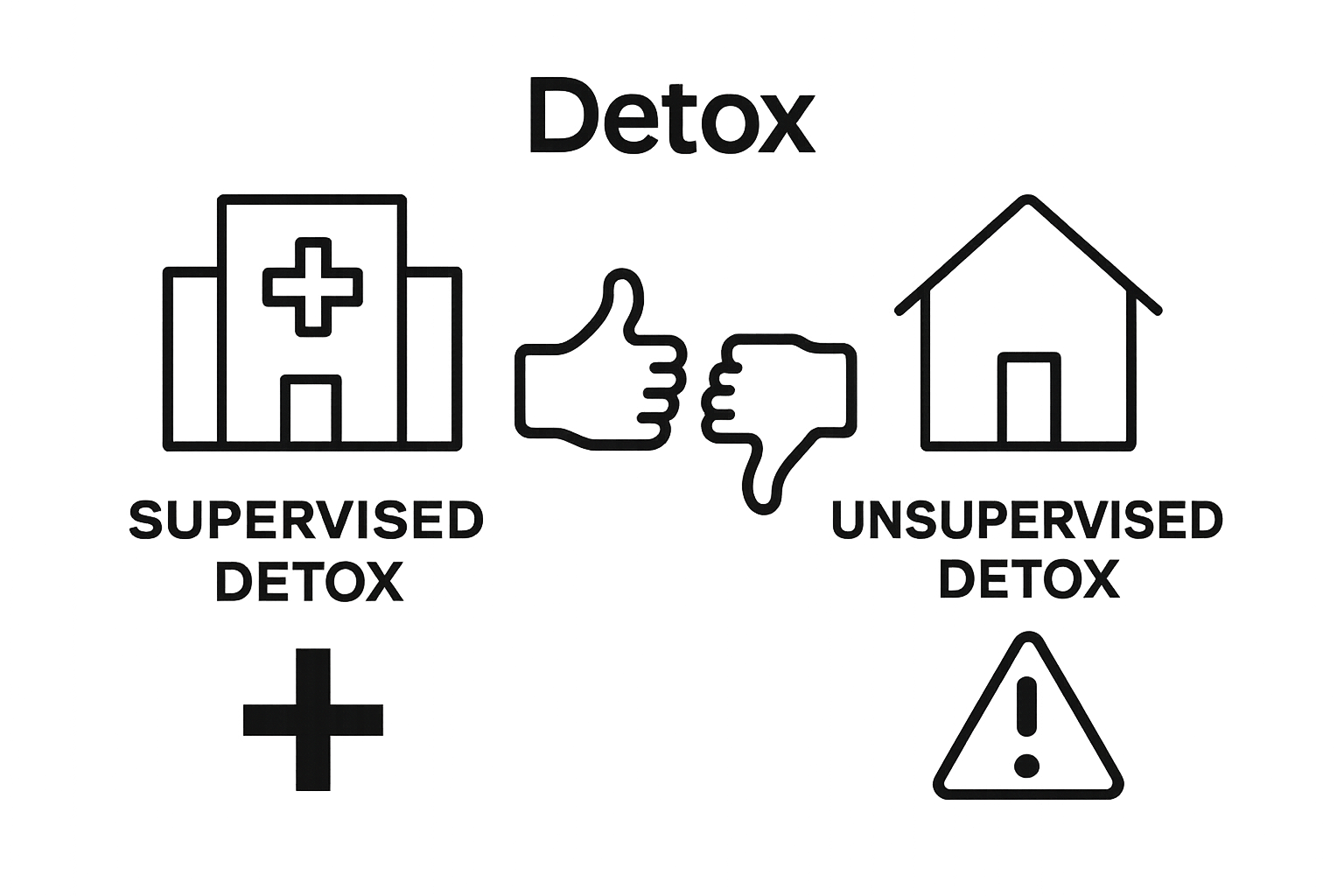 Each individual’s experience is unique, influenced by factors such as substance type, duration of use, overall health, and personal medical history. By offering personalized care, these programs create a foundation for successful long-term recovery, helping individuals transition from active addiction to a path of healing and rehabilitation.
To clarify how detox programs address both body and mind, the following table summarizes the distinct physical and psychological benefits of medically supervised detoxification.
| Aspect | Description |
| Physical Health Restoration | Stabilizes metabolic and neurological systems, reducing risks during withdrawal and promoting healing. |
| Medical Supervision | Involves continuous monitoring and immediate intervention for potential complications. |
| Withdrawal Management | Reduces discomfort and prevents life-threatening symptoms by administering appropriate medications. |
| Psychological Support | Provides a structured environment to address emotional and mental health challenges during detox. |
| Prevention of Relapse | Reduces early recovery relapse risk by over 50 percent through stabilization and supportive care. |
| Transition Preparation | Prepares individuals for ongoing addiction treatment and recovery efforts beyond detoxification. |
Why Detox Programs Matter for Recovery and Well-being
Detox programs are far more than a medical procedure. They represent a critical turning point in an individual’s journey toward healing and reclaiming their life from substance dependency. These programs provide a structured, safe pathway that addresses both the immediate physical challenges of withdrawal, including how long alcohol detox takes, and the broader psychological aspects of addiction recovery.
Breaking the Physical Dependency Cycle
The initial stages of recovery are often the most challenging and dangerous. When someone stops using addictive substances, their body experiences significant physiological stress. Learn more about our holistic recovery approaches that support comprehensive healing. Detox programs mitigate these risks by offering professional medical supervision that manages potentially life-threatening withdrawal symptoms.
Key benefits of professional detoxification include:
- Minimizing physical health risks during withdrawal
- Providing immediate medical intervention if complications arise
- Reducing the likelihood of relapse during early recovery
- Creating a stable foundation for subsequent treatment
Psychological Healing and Transition
According to the National Institute on Drug Abuse, medically assisted detox helps individuals safely manage withdrawal symptoms while preparing them for long-term recovery efforts. The psychological transition is equally important as the physical detoxification. By providing a supportive environment, these programs help individuals begin addressing the underlying emotional and mental health challenges that contribute to substance use disorders.
Detox programs recognize that recovery is a comprehensive journey. They offer more than symptom management. They provide a compassionate, structured approach that helps individuals rebuild their physical health, psychological resilience, and hope for a substance-free future. By addressing both the immediate medical needs and long-term recovery goals, these programs serve as a crucial first step toward sustainable healing and personal transformation.
How Detox Programs Support Physical and Mental Health
Detox programs represent a holistic approach to healing that addresses both the immediate physical challenges of substance withdrawal and the complex underlying mental health dynamics associated with addiction. These specialized interventions provide comprehensive support that extends far beyond simple medical management, creating a foundation for sustained recovery and overall wellness.
Physical Health Restoration
Substance dependency can significantly compromise an individual’s physical health, creating intricate physiological challenges that require professional intervention. Learn more about our integrated recovery approaches that support comprehensive healing. The physical restoration process during detox involves carefully managing withdrawal symptoms and supporting the body’s natural healing mechanisms.
Key physical health benefits of detox programs include:
- Stabilizing metabolic and neurological systems
- Reducing immediate health risks associated with substance withdrawal
- Supporting nutritional rehabilitation
- Monitoring and treating potential medical complications
Mental Health and Psychological Healing
According to the National Institute on Alcohol Abuse and Alcoholism, detoxification serves as a critical gateway to addressing the psychological dimensions of substance use disorders. Professional detox programs recognize that addiction is not merely a physical condition but a complex mental health challenge requiring compassionate, integrated care.
By providing a structured, supportive environment, these programs help individuals begin processing emotional trauma, understanding underlying mental health triggers, and developing healthier coping mechanisms. The medical supervision ensures that individuals receive immediate psychological support during the vulnerable withdrawal period, reducing the risk of relapse and supporting long-term mental health recovery. Detox programs ultimately serve as a transformative experience, helping individuals rebuild their physical strength, psychological resilience, and hope for a healthier future.

Key Concepts of Detoxification and Substance Use Disorders
Substance use disorders represent complex medical conditions that profoundly impact an individual’s physical, psychological, and social functioning. Understanding the fundamental concepts underlying addiction and detoxification is crucial for developing comprehensive, compassionate treatment approaches that support sustainable recovery.
Neurobiological Foundations of Addiction
Addiction is not a moral failing but a complex neurological condition that fundamentally alters brain chemistry and reward systems. Read more about our comprehensive treatment strategies that address these intricate neurological patterns. Prolonged substance use creates neuroadaptive changes that modify how the brain processes pleasure, motivation, and decision-making, making recovery a multifaceted healing journey.
Key neurobiological aspects of substance use disorders include:
- Disruption of dopamine and neurotransmitter regulation
- Altered brain reward circuit functioning
- Compromised impulse control mechanisms
- Increased sensitivity to substance-related triggers
Physiological and Psychological Interdependence
According to the Substance Abuse and Mental Health Services Administration, substance use disorders represent a complex interaction between biological vulnerability, environmental factors, and individual psychological experiences. The interconnection between physical dependency and mental health is profound, with each aspect significantly influencing the other.
Detoxification programs recognize this intricate relationship, offering integrated approaches that simultaneously address physiological withdrawal symptoms and underlying psychological challenges. By providing comprehensive care that acknowledges the multidimensional nature of addiction, these programs create a holistic framework for healing that supports individuals in rebuilding their physical health, psychological resilience, and overall quality of life.
The table below organizes the key neurobiological and psychological concepts discussed regarding substance use disorders, highlighting how both play a role in addiction and recovery.
| Concept | Explanation |
| Neurobiological Foundations | Addiction alters brain chemistry, affecting reward circuits and impulse control. |
| Dopamine and Neurotransmitter Disruption | Chronic substance use disrupts dopamine and other neurotransmitter regulation. |
| Psychological Dimensions | Emotional and mental health challenges contribute to substance use disorders. |
| Physiological Dependency | Body adapts to substance presence, causing withdrawal symptoms on cessation. |
| Interdependence | Physical and psychological factors are deeply connected and must be addressed together. |
| Comprehensive Detox Approach | Integrated care targets both withdrawal symptoms and underlying psychological issues. |
Experience a Safe and Empowering Detox Journey in San Diego
Are you feeling overwhelmed by the physical and psychological challenges of addiction withdrawal? If the article on the benefits of detox programs resonated with your struggle to break free from substance dependence, you are not alone. Healthy Life Recovery in San Diego specializes in medically supervised detox that helps relieve the fear and risk of withdrawal. Our approach supports your unique needs, offering stability and compassionate care at every stage. With evidence-based therapies and a focus on both physical and mental health recovery, we address the whole person and lay the foundation for lasting change. Discover how our team can help you safely transition from detox into a brighter, substance-free future.
Take the next step toward healing today and reclaim your health. Visit Healthy Life Recovery to learn more about our full continuum of care, including supportive sober living options and innovative treatment therapies. Start your path to real recovery right now. Your new life can begin today.
Frequently Asked Questions
What are detox programs?
Detox programs are specialized medical interventions designed to help individuals safely withdraw from addictive substances while managing withdrawal symptoms and preparing for ongoing treatment.
How do detox programs support mental health during recovery?
Detox programs provide a supportive environment for individuals to address underlying emotional and mental health challenges, helping them develop healthier coping mechanisms while receiving professional psychological support.
What are the physical health benefits of detoxification?
Detox programs stabilize metabolic and neurological systems, reduce immediate health risks from withdrawal, support nutritional rehabilitation, and monitor for potential medical complications, promoting overall physical restoration.
Why is medical supervision important in detox programs?
Medical supervision is critical as it ensures the safe management of withdrawal symptoms, minimizes health risks, and provides immediate intervention when complications arise, supporting a successful recovery process.