


Many people think they know what an “alcoholic personality” looks like, picturing someone who just drinks too much or makes bad choices. Here is the shocker. Clinical research shows that it is not defined by one set of traits but by a complex mix of emotional, psychological, and environmental factors. In fact, traits like high impulsivity and low self-esteem are consistently linked to greater risk of alcohol use disorder, but that is just part of the story. The real issue is how these traits interact with stress, relationships, and even brain chemistry in ways most never consider.
Quick Summary
| Takeaway | Explanation |
|---|---|
| Alcoholic personality traits are complex. | Traits include emotional stress, low self-esteem, and impulsivity that can lead to alcohol dependency. |
| Alcohol is used to cope with negative emotions. | Many individuals use alcohol to manage anxiety, depression, or personal inadequacies. |
| Relationships suffer due to alcohol use disorder. | Family and friends experience emotional turmoil, manipulation, and often strained connections. |
| Watch for signs of alcohol use disorder. | Key indicators include guilt about drinking, withdrawal symptoms, and prioritizing alcohol over responsibilities. |
| Support requires a balance of empathy and boundaries. | Loved ones should set clear boundaries while encouraging treatment, avoiding enabling behaviors. |
Defining the Alcoholic Personality: Traits and Behaviors
Understanding the alcoholic personality involves recognizing complex psychological and behavioral patterns that contribute to alcohol use disorder. Unlike popular misconceptions, an alcoholic personality is not a simple, uniform set of characteristics but a nuanced interaction of emotional, psychological, and environmental factors.
Psychological Underpinnings of Alcoholic Behavior
The concept of an alcoholic personality stems from decades of clinical research exploring why some individuals develop problematic relationships with alcohol. Research from the National Institute on Alcohol Abuse and Alcoholism suggests that certain personality traits can increase vulnerability to alcohol dependency.
Key psychological characteristics often associated with alcoholic personalities include:
- Difficulty managing emotional stress
- Low self-esteem and persistent feelings of inadequacy
- High impulsivity and reduced emotional regulation
- Tendency toward anxiety or depression
- Challenges in forming and maintaining healthy interpersonal relationships
Behavioral Patterns and Coping Mechanisms
Individuals with alcoholic personalities frequently develop specific behavioral patterns as coping strategies. These patterns might manifest as avoiding confrontation, using alcohol to manage social interactions, or experiencing intense mood swings related to alcohol consumption.
Psychological research indicates that many people with alcohol use disorder use drinking as a mechanism to:
- Temporarily escape negative emotions
- Reduce social anxiety
- Manage underlying mental health challenges
- Compensate for perceived personal weaknesses
These behaviors are not intentional character flaws but complex adaptive responses to internal psychological struggles. Understanding these patterns requires compassion and recognizing the intricate relationship between mental health and substance use.
While no single personality type definitively predicts alcoholism, certain traits can increase an individual’s susceptibility to developing problematic drinking behaviors. Professional assessment and personalized treatment remain crucial in addressing the multifaceted nature of alcohol use disorder.
The Psychology Behind the Alcoholic Personality
The alcoholic personality represents a complex psychological phenomenon rooted in intricate neurological, emotional, and behavioral dynamics. Understanding these psychological mechanisms provides critical insights into how alcohol dependency develops and persists beyond simple substance abuse.
Neurochemical Foundations of Addiction
Research from the National Institute on Drug Abuse reveals that alcohol fundamentally alters brain chemistry, particularly in reward and stress regulation systems. Chronic alcohol consumption triggers significant neurological changes that can reshape an individual’s emotional processing and decision making capabilities.
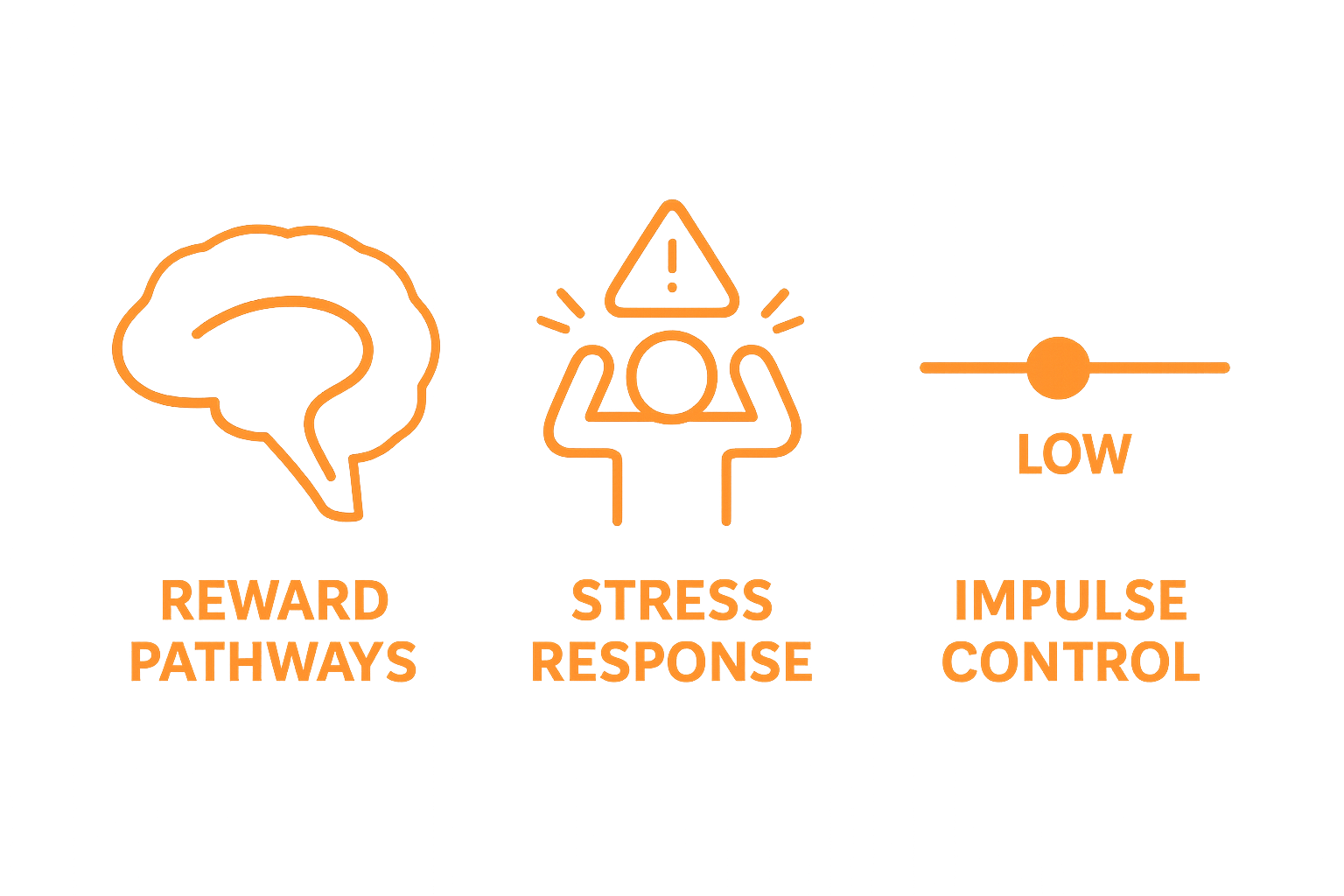
Key neurological factors influencing alcoholic personality development include:
- Disrupted dopamine reward pathways
- Altered stress response mechanisms
- Compromised impulse control centers
- Reduced emotional regulation capacity
- Increased susceptibility to anxiety and depression
Psychological Adaptation and Coping Mechanisms
People with alcoholic personalities often develop sophisticated psychological defense mechanisms as survival strategies. These adaptations represent complex responses to underlying emotional distress, trauma, or unresolved psychological challenges. Rather than intentional behavioral choices, these mechanisms emerge as unconscious attempts to manage internal psychological tension.
Common psychological adaptation strategies include:
- Emotional suppression through alcohol consumption
- Creating protective social personas
- Developing elaborate rationalization systems
- Constructing psychological barriers against vulnerability
- Maintaining persistent denial about addiction severity
Understanding these psychological dynamics requires recognizing addiction as a multifaceted mental health condition rather than a simple behavioral problem. The alcoholic personality emerges not from weakness but from intricate interactions between genetic predisposition, environmental influences, and individual psychological resilience.
Professional therapeutic interventions focusing on comprehensive psychological healing remain crucial in addressing the root causes of alcohol dependency and supporting sustainable recovery.
Impact of Alcoholic Personality on Relationships
Alcohol use disorder profoundly transforms interpersonal dynamics, creating complex and often destructive patterns that extend far beyond individual substance abuse. The alcoholic personality fundamentally reshapes how individuals interact with family, friends, romantic partners, and professional connections.
Relational Disruption and Emotional Dynamics
Research from the Substance Abuse and Mental Health Services Administration indicates that individuals with alcohol use disorder frequently experience significant challenges in maintaining healthy, stable relationships. The alcoholic personality introduces unpredictability, emotional volatility, and trust erosion that can devastate personal connections.
Significant relational challenges include:
- Persistent patterns of emotional manipulation
- Inconsistent communication and unreliability
- Difficulty maintaining emotional intimacy
- Frequent conflict and unpredictable behavioral responses
- Cyclical patterns of guilt, shame, and defensive behaviors
Psychological Impact on Family Systems
Familial relationships bear the most substantial burden when confronting an alcoholic personality. Family members often experience complex emotional responses ranging from deep compassion to profound frustration.
To help clarify the different ways alcohol use disorder affects close circles, the following table summarizes the psychological impact on various family roles and relationships.
| Relationship Type | Common Impacts | Notable Patterns |
|---|---|---|
| Spouses/Partners | Emotional volatility, trust issues, communication gaps | Cycles of conflict and reconciliation |
| Children | Hypervigilance, codependency, trauma responses | Internalized stress and adaptation |
| Parents/Siblings | Frustration, enabling, emotional distance | Attempts to control or rescue |
| Extended Family | Social withdrawal, judgment, strained gatherings | Decreased contact over time |
| Friends | Broken trust, unreliability, distancing | Loss of connection, concern |
Key family system impacts encompass:
- Intergenerational transmission of addiction patterns
- Development of enabling or controlling behavioral strategies
- Increased risk of mental health challenges for family members
- Potential breakdown of trust and familial bonds
- Long-term emotional and psychological consequences
Understanding these relational dynamics requires recognizing addiction as a systemic issue that extends beyond individual behavior. The alcoholic personality does not exist in isolation but creates intricate ripple effects across entire social networks.

Recovery and healing necessitate comprehensive approaches that address not just individual substance use but the broader relational ecosystem, emphasizing therapeutic interventions, family counseling, and rebuilding trust through consistent, compassionate support.
Recognizing the Signs: When Is Help Needed?
Identifying the transition from occasional drinking to alcohol use disorder requires careful observation and understanding of complex behavioral indicators. Recognizing these signs early can prevent long-term psychological and physiological damage associated with chronic alcohol abuse.
Psychological and Behavioral Warning Signals
Research from the National Institute on Alcohol Abuse and Alcoholism highlights critical psychological markers that signal potential alcohol dependency. These warning signs extend beyond simple drinking frequency and encompass profound changes in emotional regulation, personal relationships, and overall functioning.
Key psychological and behavioral indicators include:
- Persistent feelings of guilt or shame related to drinking
- Increasing tolerance and need for larger alcohol quantities
- Experiencing withdrawal symptoms when not drinking
- Inability to control or limit alcohol consumption
- Prioritizing drinking over personal and professional responsibilities
Physical and Social Manifestations of Alcohol Dependency
Alcohol use disorder manifests through intricate physical and social transformations that gradually erode an individual’s quality of life. These changes often represent deeper psychological struggles and maladaptive coping mechanisms developed over time.
Significant physical and social warning signs encompass:
- Noticeable changes in physical health and appearance
- Declining work or academic performance
- Social isolation and withdrawal from meaningful relationships
- Financial difficulties resulting from alcohol-related expenses
- Frequent legal or interpersonal conflicts
Recognizing these signs requires compassionate understanding and non-judgmental observation.
Below is a table summarizing key psychological and behavioral warning signs of alcohol use disorder, enabling readers to quickly identify potential red flags.
| Warning Sign | Description |
|---|---|
| Persistent guilt or shame | Ongoing negative feelings about drinking behavior |
| Increased alcohol tolerance | Needing higher amounts of alcohol to feel an effect |
| Withdrawal symptoms | Physical or emotional symptoms when not drinking |
| Loss of control over consumption | Inability to stop or limit drinking even when intended |
| Drinking prioritized over obligations | Choosing alcohol over responsibilities and relationships |
| Social isolation | Withdrawing from friends and meaningful interactions |
| Declining work/school performance | Noticeable drops in productivity or academic achievement |
Early intervention can dramatically improve recovery outcomes, helping individuals rebuild their lives and restore psychological well-being through targeted therapeutic strategies.
Pathways to Understanding: Support for Loved Ones
Supporting a loved one struggling with alcohol use disorder requires nuanced emotional intelligence, comprehensive understanding, and strategic compassionate intervention. Family and friends play a critical role in recognizing, supporting, and facilitating recovery pathways for individuals battling alcohol dependency.
Emotional Navigation and Personal Boundaries
Research from the American Psychological Association reveals that effective support demands a delicate balance between empathy and maintaining personal emotional health. Loved ones must learn to distinguish between supportive actions and enabling behaviors that inadvertently perpetuate destructive patterns.
Critical emotional navigation strategies include:
- Developing clear, consistent personal boundaries
- Practicing compassionate detachment
- Avoiding blame and shame-based communication
- Recognizing personal emotional limitations
- Maintaining individual psychological well-being
Practical Support and Intervention Strategies
Effective support extends beyond emotional management and requires structured, informed approaches to encouraging treatment and recovery. Understanding the complex psychological landscape of alcohol use disorder helps loved ones develop more sophisticated, empathetic intervention strategies.
Key practical support approaches encompass:
- Encouraging professional addiction assessment
- Researching treatment options collaboratively
- Participating in family therapy sessions
- Creating supportive, non-judgmental communication environments
- Learning about addiction as a complex health condition
The journey of supporting a loved one through alcohol use disorder is challenging and emotionally complex. Success requires patience, continuous learning, and a commitment to both the individual’s recovery and personal emotional resilience. Professional guidance, support groups, and therapeutic resources can provide essential tools and strategies for navigating this difficult path.
Recovery is a collaborative process that demands understanding, compassion, and consistent, informed support from all involved parties.
Find Real Solutions for the Alcoholic Personality in San Diego
Reading about the traits and challenges of the alcoholic personality can help you finally make sense of distressing patterns like emotional volatility, denial, and strained relationships. If you or a loved one recognizes these warning signs or feels trapped in cycles of guilt, shame, and complex coping mechanisms, you do not have to face this struggle alone. The need for compassionate support and advanced treatment is clear, especially when underlying mental health and deep-rooted habits are involved.
At Healthy Life Recovery, we offer proven therapies, medically supervised detox, and innovative options like TMS and qEEG brain mapping. Our team understands the complexity behind alcohol use disorder and supports every step, from understanding psychological barriers to embracing healthy relationships and lasting sobriety. Ready to break free from the burden of the alcoholic personality? Contact Healthy Life Recovery now and start your recovery journey with experts who truly care.
Frequently Asked Questions
What traits are associated with an alcoholic personality?
Key traits often associated with an alcoholic personality include difficulty managing emotional stress, low self-esteem, high impulsivity, anxiety or depression, and challenges in forming healthy relationships.
How can I recognize the signs of alcohol use disorder?
Signs of alcohol use disorder include persistent guilt about drinking, increased tolerance, withdrawal symptoms, inability to control drinking, and prioritizing alcohol over responsibilities.
What impact does alcoholism have on relationships?
Alcoholism can lead to emotional volatility, trust erosion, and significant relational challenges, including emotional manipulation, communication issues, and cycles of guilt and shame among family and friends.
How can I support a loved one struggling with alcohol use disorder?
Support can include encouraging professional assessment, setting personal boundaries, maintaining compassionate communication, and participating in family therapy, while also prioritizing your own emotional well-being.