


Nearly 20 million Americans battle substance use disorders each year, yet myths and misunderstandings still shape how we talk about addiction. Substance abuse is a medical condition that affects people from all backgrounds, not just those in crisis or from certain communities. Sorting out fact from fiction can change lives by helping people spot the warning signs early and get real support when they need it most.
Key Takeaways
| Point | Details |
|---|---|
| Understanding Substance Abuse | Substance abuse is a complex health condition influenced by biological, psychological, and environmental factors, necessitating comprehensive treatment. |
| Common Myths | Misconceptions about addiction, such as the belief that willpower alone can overcome it, hinder individuals from seeking help. |
| Health and Legal Consequences | Substance abuse leads to severe health issues and legal problems, impacting personal relationships and social standing. |
| Effective Treatment Strategies | Recovery requires individualized, multi-faceted treatment approaches that include detoxification, therapy, and ongoing support for long-term success. |
Defining Substance Abuse and Common Myths
Substance abuse represents a complex health condition characterized by the harmful or hazardous use of psychoactive substances that significantly impair an individual’s mental and physical functioning. According to UTHealth Houston, substance abuse involves using alcohol, prescription medications, or illicit drugs in ways that create substantial personal and social risks.
Contrary to popular misconceptions, substance abuse is not simply a matter of personal willpower or moral weakness. Indian Health Service emphasizes that addiction fundamentally alters brain function, making it extremely challenging for individuals to quit without professional treatment. This neurological perspective highlights why many people struggling with substance use disorders cannot overcome addiction through sheer determination.
Several persistent myths surrounding substance abuse can prevent people from seeking the help they need. Common misconceptions include believing that addiction only affects certain demographics, that individuals must hit “rock bottom” before recovery is possible, or that willpower alone can overcome dependency. In reality, substance use disorders impact people across all ages, socioeconomic backgrounds, and life circumstances. Early intervention and comprehensive treatment are critical for successful recovery.
Understanding substance abuse requires recognizing its complex nature. While not all substances cause immediate physical addiction, many can create powerful psychological dependencies that make individuals feel they cannot function without continued use. Polysubstance Abuse: Signs, Types, Risks and Treatment provides additional insights into the nuanced ways different substances can interact and create compounded addiction challenges.
Types of Substances Commonly Abused
Substance abuse encompasses a wide range of psychoactive substances that can create significant health risks and potential addiction. National Institute on Drug Abuse categorizes these substances into several key groups, each with unique characteristics and potential for dependence.
Alcohol represents one of the most commonly abused substances, with widespread social acceptance masking its potential for serious health complications. Opioids, including prescription painkillers and illegal drugs like heroin, pose another critical category of substance abuse. Stimulants such as cocaine, methamphetamine, and prescription medications like Adderall can create powerful psychological dependencies that dramatically alter brain chemistry and personal behavior. Top 10 Most Common Addictions offers deeper insights into how these substances impact individuals.
Hallucinogens and designer drugs represent additional complex categories of substance abuse. According to the Cleveland Clinic, these substances can create profound psychological effects and unpredictable health risks. Prescription medications, particularly benzodiazepines and sleep aids, also carry significant potential for misuse and addiction.
Understanding the nuanced nature of substance abuse requires recognizing that addiction isn’t limited to illegal drugs. Prescription medications, over-the-counter substances, and legally available chemicals can all create powerful dependencies that fundamentally disrupt an individual’s health and personal functioning. For those seeking to understand the intricate world of designer drugs and emerging substance abuse trends, our Research Chemicals: Dangers of Designer Drugs & Treatment resource provides comprehensive information about these evolving challenges.
Symptoms and Warning Signs of Substance Abuse
Recognizing substance abuse requires understanding its complex and multifaceted symptoms. UTHealth Houston emphasizes that substance abuse manifests through various physical, behavioral, and psychological indicators that can significantly disrupt an individual’s daily functioning.
Physical symptoms often serve as critical warning signs. According to the University of West Florida/02%3A_Mental_Disorders/2.06%3A_Substance_Abuse_and_Addiction), these can include dramatic changes in appetite, unusual sleep patterns, unexplained weight fluctuations, and noticeable alterations in physical appearance. Individuals struggling with substance abuse might experience frequent health issues, compromised immune systems, and unexpected injuries or accidents related to impaired judgment. Addiction Warning Signs Checklist: 8 Essential Signs provides a comprehensive overview of these potential indicators.
Behavioral and psychological symptoms represent equally important warning signs. These can include social withdrawal, sudden changes in friend groups, neglecting personal and professional responsibilities, financial instability, and engaging in risky or secretive behaviors. Mood swings, increased irritability, depression, and anxiety are common psychological manifestations that often accompany substance abuse. Individuals might also demonstrate decreased motivation, poor decision-making skills, and a persistent preoccupation with obtaining and using substances.
Ultimately, substance abuse is a complex health condition that affects every aspect of an individual’s life. While these symptoms provide crucial insights, it’s essential to approach potential substance abuse with compassion and professional support. For those questioning their own relationship with substances, our Am I an Addict? Self-Test offers a confidential starting point for understanding and seeking help.
Underlying Causes and Risk Factors
Substance abuse emerges from a complex interplay of biological, psychological, and environmental factors that interact in nuanced and deeply personal ways. University of West Florida/02%3A_Mental_Disorders/2.06%3A_Substance_Abuse_and_Addiction) research highlights that no single factor determines an individual’s susceptibility to addiction, but rather a combination of interconnected risk elements.
Genetic predisposition plays a significant role in substance abuse vulnerability. Some individuals inherit genetic variations that increase their likelihood of developing addictive behaviors, making them more sensitive to the neurochemical changes produced by substances. Environmental influences such as family dynamics, childhood trauma, chronic stress, and social pressures can dramatically amplify these genetic risks. Peer groups, socioeconomic conditions, and early exposure to substance use create additional layers of complexity in understanding addiction’s root causes.
Psychological factors represent another critical dimension of substance abuse risk. Individuals struggling with untreated mental health conditions like depression, anxiety, bipolar disorder, or post-traumatic stress disorder often turn to substances as a form of self-medication. These underlying psychological challenges can create powerful emotional triggers that drive compulsive substance use. Polysubstance Abuse: Signs, Types, Risks and Treatment provides deeper insights into how multiple psychological and environmental factors intersect to create complex addiction patterns.
Recognizing these multifaceted risk factors is crucial for developing compassionate, comprehensive approaches to prevention and treatment.
 While some risks cannot be eliminated, understanding them empowers individuals and families to create supportive environments, seek early interventions, and develop healthy coping mechanisms that reduce vulnerability to substance abuse.
Health, Legal, and Social Consequences
Substance abuse creates a profound web of consequences that extend far beyond individual health, impacting personal relationships, legal standing, and broader societal structures. Connecticut Department of Consumer Protection highlights the widespread ramifications of substance misuse, demonstrating how addiction can systematically dismantle multiple aspects of an individual’s life.
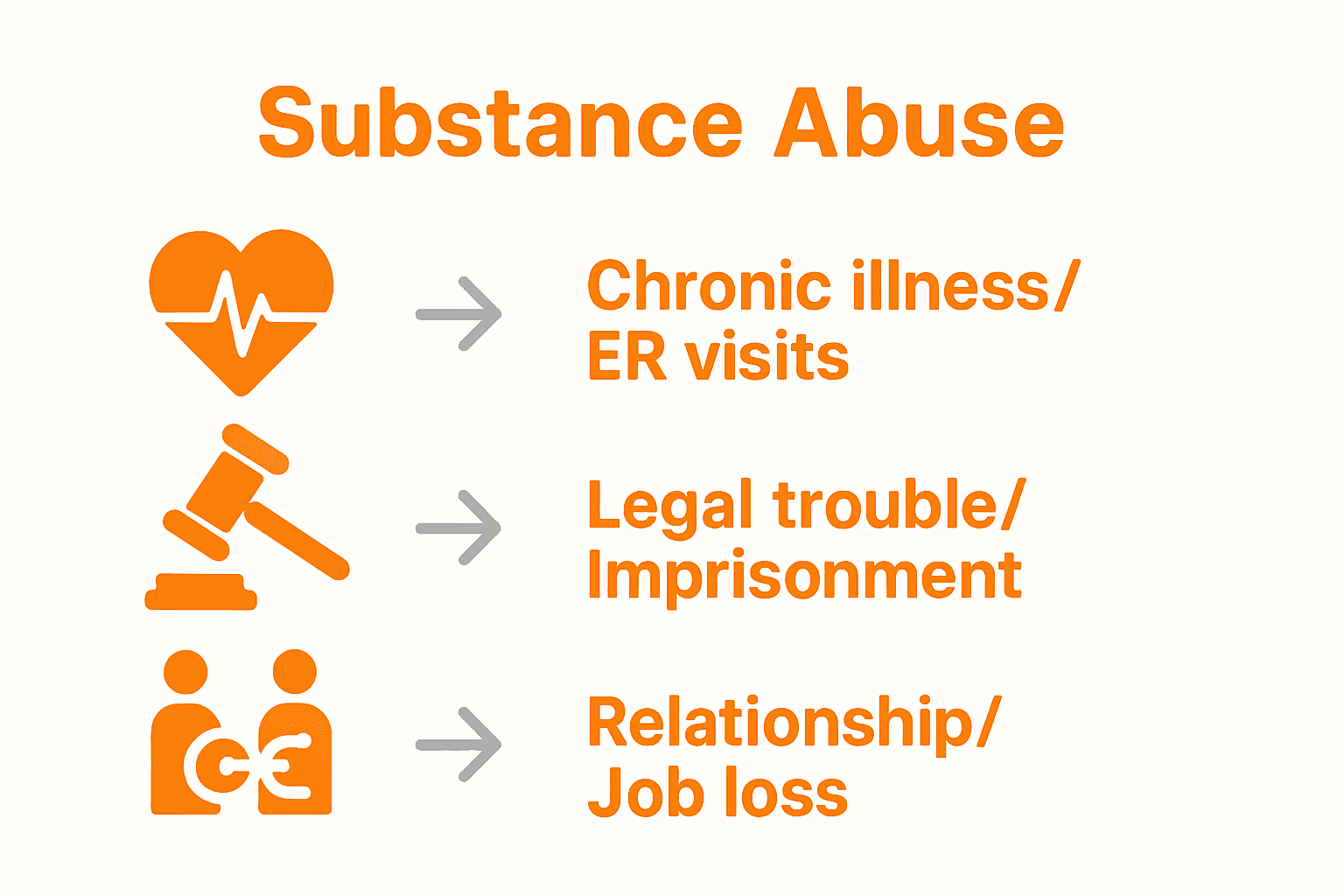
Health consequences represent the most immediate and critical impact of substance abuse. Chronic substance use can lead to devastating physical and mental health complications, including organ damage, compromised immune systems, increased risk of infectious diseases, and significant neurological impairments. Emergency room visits and treatment admissions surge as individuals experience overdoses, acute medical complications, and long-term health deterioration. Mental health disorders frequently co-occur with substance abuse, creating complex medical challenges that require integrated, comprehensive treatment approaches.
Legal and social consequences can be equally devastating. Individuals struggling with substance abuse often face criminal charges related to drug possession, driving under the influence, or drug-related behavioral offenses. These legal challenges can result in imprisonment, probation, mandatory rehabilitation, loss of professional licenses, and permanent criminal records that dramatically limit future opportunities. Social consequences frequently include relationship breakdowns, job loss, financial instability, and profound social stigma that can isolate individuals from critical support networks. Research Chemicals: Dangers of Designer Drugs & Treatment provides additional context about the complex legal landscape surrounding substance abuse.
Ultimately, the consequences of substance abuse ripple through families, communities, and broader societal structures. Economic costs include increased healthcare expenses, lost productivity, criminal justice system burdens, and social service interventions. Recognizing these multifaceted consequences underscores the critical importance of prevention, early intervention, and compassionate, evidence-based treatment approaches that address the root causes of substance abuse.
Effective Treatment Options and Recovery Paths
Recovery from substance abuse is a deeply personal journey that requires comprehensive, individualized treatment approaches. McShin Foundation emphasizes that successful recovery involves multiple interconnected strategies designed to address the complex physical, psychological, and social dimensions of addiction.
Detoxification represents the critical first step in most treatment paths, helping individuals safely manage withdrawal symptoms and cleanse their bodies from substances. Professional medical supervision during this phase is essential to manage potential health risks and provide necessary support. Following detoxification, evidence-based therapeutic interventions become crucial. Cognitive Behavioral Therapy in Recovery offers powerful tools for understanding addiction triggers, developing coping mechanisms, and restructuring destructive thought patterns that contribute to substance abuse.
Long-term recovery extends beyond initial treatment, requiring robust support systems and ongoing personal development. Rehabilitation programs often incorporate group therapy, individual counseling, family interventions, and holistic approaches that address mental health, lifestyle modifications, and skill-building. Stay Active in Recovery highlights the importance of maintaining physical and mental engagement as critical components of sustained healing. Peer support groups, continued therapy, and creating meaningful life strategies help individuals build resilience and develop healthy alternatives to substance use.
Successful recovery is not a destination but a continuous journey of personal growth and self-discovery. By embracing comprehensive treatment approaches that address underlying causes, individuals can transform their relationship with substances and create fulfilling, healthier lives. Understanding that each recovery path is unique empowers individuals to seek personalized support that resonates with their specific needs and experiences.
Take the First Step Toward Freedom from Substance Abuse
Understanding substance abuse is the first step toward reclaiming your life from the grip of addiction. This article highlights the complex nature of addiction and the many challenges it brings to physical health, mental well-being, and social life. If you are struggling with substance use or worried about a loved one, know that recovery is possible and support is available that addresses both addiction and co-occurring mental health issues.
At Healthy Life Recovery, we offer a full continuum of care from medically supervised detox to outpatient treatment and supportive sober living. Our evidence-based therapies, combined with innovative treatments like TMS and qEEG brain mapping, provide a personalized path designed to help you overcome triggers, rebuild healthy habits, and unlock the strength within you. Don’t wait for the consequences of substance abuse to deepen. Learn more about how our comprehensive treatment options can help you begin recovery today and create a lasting, sober future.
Frequently Asked Questions
What are the common signs of substance abuse?
Substance abuse typically manifests through physical, behavioral, and psychological symptoms such as changes in appetite, sleep disturbances, social withdrawal, neglect of responsibilities, and mood swings. Recognizing these signs early can be crucial for intervention.
What types of substances are commonly abused?
Commonly abused substances include alcohol, opioids (both prescription and illicit), stimulants (like cocaine and methamphetamine), hallucinogens, and prescription medications such as benzodiazepines. Each category carries unique risks and potential for addiction.
What are the underlying causes of substance abuse?
Substance abuse arises from a combination of genetic, psychological, and environmental factors. Mental health issues, childhood trauma, peer pressure, and family dynamics can significantly increase the risk of developing a substance use disorder.
What treatment options are available for substance abuse?
Successful treatment for substance abuse often involves detoxification, therapy (such as cognitive behavioral therapy), group support, and holistic approaches. A comprehensive strategy addressing physical, mental, and social aspects of addiction is essential for recovery.