


Alcohol withdrawal can turn even a familiar routine into a staggering shock. The symptoms do not just show up as the shakes or headaches most people expect. Instead, withdrawal can spiral into life-threatening territory, and delirium tremens affects up to 5 percent of those with severe alcohol use disorder and can be fatal without treatment. This rarely-discussed risk changes everything you know about quitting. What actually happens inside the body during those first hours and days — captured in our hour-by-hour alcohol withdrawal timeline — will surprise you.
Quick Summary
| Takeaway | Explanation |
|---|---|
| Monitor withdrawal stages closely | Understanding the early, moderate, and severe stages of alcohol withdrawal helps in timely intervention and management. |
| Seek professional medical support | Medical supervision is essential to manage withdrawal symptoms and prevent life-threatening complications effectively. |
| Recognize emotional and psychological challenges | Alcohol withdrawal not only affects physical health but also severely impacts mental well-being; coping strategies are necessary. |
| Utilize community support resources | Engaging in support groups and counseling can provide emotional assistance and enhance recovery efforts during withdrawal. |
| Acknowledge neurochemical changes | Awareness of how alcohol alters brain chemistry aids in understanding the severity of withdrawal effects and recovery needs. |
What are the Steps of Alcohol Withdrawal?
Alcohol withdrawal is a complex physiological process that occurs when an individual who has been consuming alcohol consistently suddenly reduces or stops their alcohol intake. This process involves significant neurochemical and bodily changes that can range from mild to potentially life-threatening. Learn more about alcohol detox safety to understand the critical nuances of this medical condition.
Understanding Withdrawal Stages
According to MedlinePlus, alcohol withdrawal typically progresses through several distinct stages, each characterized by specific symptoms and physiological responses. These stages are not uniform for every individual but follow a general pattern that medical professionals closely monitor.
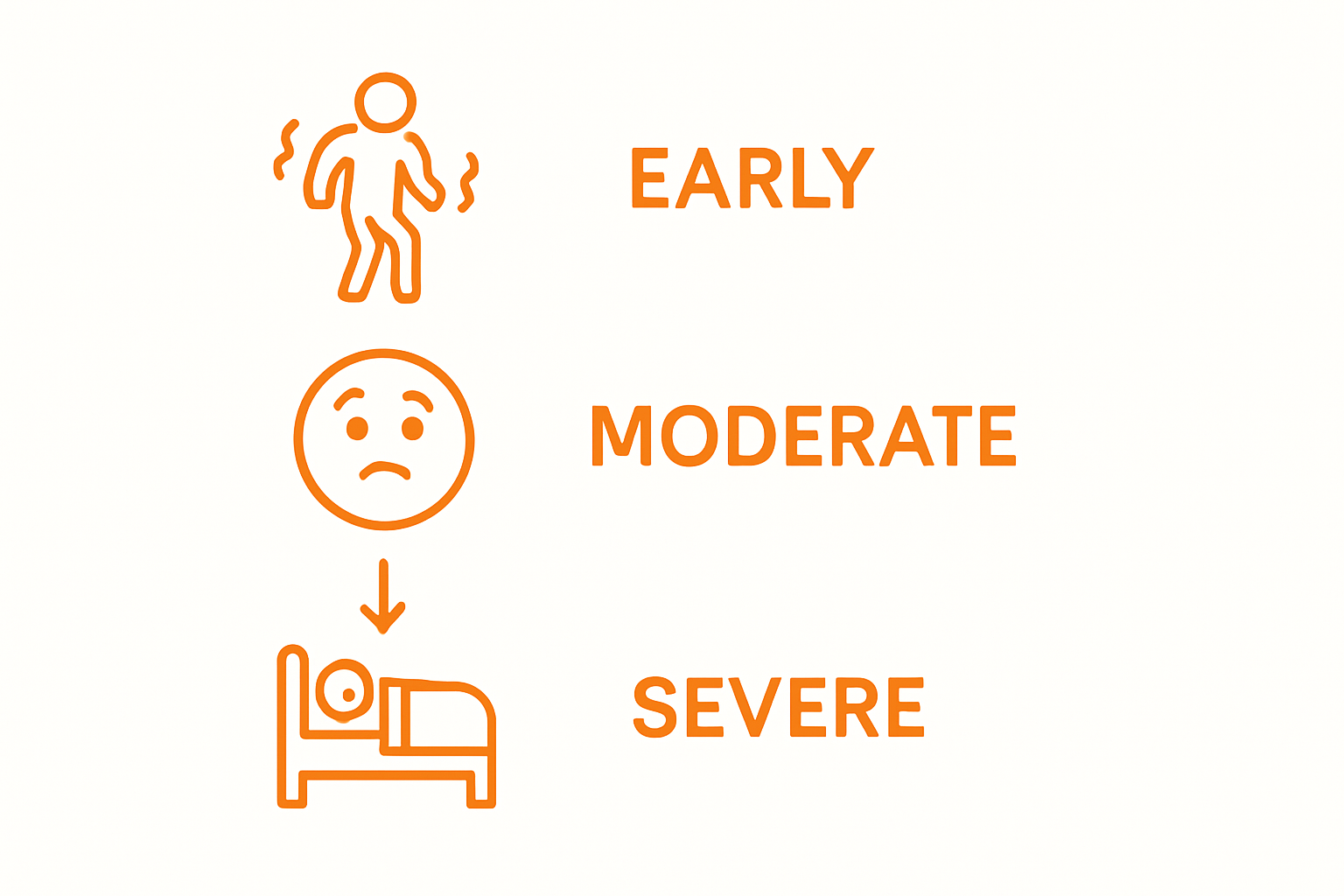
Early Withdrawal Stage
The initial phase of alcohol withdrawal begins within 6 to 12 hours after the last drink. During this stage, individuals may experience:
- Mild anxiety
- Tremors
- Headaches
- Sweating
- Nausea
- Sleep disturbances
Moderate Withdrawal Stage
As withdrawal continues, symptoms become more intense. Between 12 and 48 hours after the last drink, individuals might encounter more serious complications such as:
- Increased blood pressure
- Irregular heart rhythms
- Visual or auditory hallucinations
- Heightened mental confusion
- Potential seizure risks
Severe Withdrawal Stage
The most critical and dangerous phase of alcohol withdrawal occurs 48 to 72 hours after the last drink. This stage, known as delirium tremens (DTs), can be life-threatening and requires immediate medical intervention. Symptoms may include:
- Severe agitation
- Profound confusion
- Dangerous hallucinations
- Significant cardiovascular instability
- High fever
- Potential seizures
Professional medical supervision is crucial during alcohol withdrawal, as the progression and intensity of symptoms can vary dramatically between individuals. Some people might experience mild discomfort, while others could face severe, potentially fatal complications. The body’s unique neurochemical adaptation to chronic alcohol use determines the withdrawal experience, making professional assessment and treatment essential for safe recovery.
Below is a table summarizing the three main stages of alcohol withdrawal and their associated symptoms to clarify their key differences and progression.
| Stage | Typical Onset | Key Symptoms |
|---|---|---|
| Early Withdrawal | 6-12 hours | Mild anxiety, tremors, headaches, sweating, nausea, sleep disturbances |
| Moderate Withdrawal | 12-48 hours | Increased blood pressure, irregular heart rhythms, hallucinations, mental confusion, seizures |
| Severe Withdrawal | 48-72 hours | Severe agitation, profound confusion, dangerous hallucinations, cardiovascular instability, high fever, seizures |
Why Understanding Alcohol Withdrawal Matters
Alcohol withdrawal is not simply a challenging personal experience but a complex medical condition with potentially severe health implications. By comprehending the intricate mechanisms of withdrawal, individuals and healthcare professionals can develop more effective strategies for safe recovery. Explore our comprehensive alcohol detox timeline to gain deeper insights into this critical process.
Medical Risks and Potential Complications
According to National Institute of Health research, understanding alcohol withdrawal is crucial because untreated or improperly managed withdrawal can lead to life-threatening conditions. The potential medical risks include:
- Cardiovascular complications
- Neurological seizures
- Severe psychological distress
- Potential organ failure
- Increased risk of relapse
Psychological and Neurological Transformations
Alcohol withdrawal represents more than a physical challenge it signifies a profound neurochemical recalibration. Chronic alcohol consumption fundamentally alters brain chemistry, creating complex neurological dependencies that manifest during withdrawal. When alcohol is suddenly removed, the brain experiences significant neurotransmitter imbalances, which can trigger intense psychological symptoms.
Neurological Adaptation Process
During prolonged alcohol use, the brain adjusts its chemical composition to accommodate consistent alcohol intake. When alcohol consumption stops, the brain struggles to reestablish its natural chemical equilibrium. This adjustment period can produce various psychological challenges, including:
- Extreme anxiety
- Depressive episodes
- Cognitive disruptions
- Emotional instability
- Potential hallucinations
Holistic Recovery and Support
Understanding alcohol withdrawal transcends medical management it represents a comprehensive approach to individual healing. Recognizing withdrawal as a complex physiological and psychological process enables more compassionate, targeted interventions. Professional medical supervision becomes essential in navigating these challenging transitions, providing structured support that addresses both physical symptoms and underlying psychological factors.
Ultimately, comprehending alcohol withdrawal empowers individuals to approach recovery with knowledge, preparedness, and hope. By acknowledging the intricate nature of this process, patients can develop more effective coping strategies and engage more meaningfully in their personal recovery journey.
The Biological Mechanisms Behind Withdrawal
Alcohol withdrawal is a complex neurobiological process involving profound changes in brain chemistry and neurotransmitter function. Understanding these intricate mechanisms provides critical insights into why withdrawal occurs and how the body responds to alcohol cessation. Learn more about withdrawal management strategies to understand the comprehensive treatment approach.
Neurotransmitter Disruption
According to National Center for Biotechnology Information research, chronic alcohol consumption fundamentally alters the brain’s delicate neurotransmitter balance. During prolonged alcohol use, the brain undergoes significant neuroadaptations that create a new biochemical equilibrium dependent on alcohol’s presence.
Key Neurotransmitter Changes
The primary neurochemical transformations during alcohol dependency involve two critical neurotransmitter systems:
- Gamma Aminobutyric Acid (GABA) suppression
- Glutamate system hyperactivation
Neurological Compensation Mechanisms
When alcohol is consistently consumed, the brain develops compensatory mechanisms to maintain functional stability. This process involves downregulating GABA receptors while simultaneously increasing glutamate receptor sensitivity. The result is a neurochemical environment that requires alcohol to maintain perceived normalcy.
Neuroadaptation Process
During chronic alcohol exposure, the brain experiences a progressive adaptation:
- Initial receptor sensitivity modifications
- Neurochemical balance recalibration
- Increased tolerance to alcohol’s effects
- Dependency development
Withdrawal Hyperexcitability
Upon alcohol cessation, the previously adapted neurological system experiences sudden, dramatic changes. The brain, accustomed to alcohol’s suppressive effects, becomes hyperexcitable as compensatory mechanisms suddenly lack their chemical trigger. This neurological upheaval manifests through various withdrawal symptoms, ranging from mild anxiety to potentially life-threatening seizures.
The biological withdrawal mechanism represents a complex interplay between neurochemical adaptation, receptor sensitivity, and the body’s attempt to reestablish homeostasis. Each individual’s withdrawal experience is unique, influenced by factors such as duration of alcohol use, overall health, and genetic predisposition.
This table outlines the primary neurotransmitter changes, their roles, and the effects experienced during alcohol withdrawal, helping to clarify the biological mechanisms discussed.
| Neurotransmitter System | Role During Alcohol Use | Change During Withdrawal | Withdrawal Effect |
|---|---|---|---|
| GABA | Suppressed by chronic alcohol | Sudden reduction | Increased anxiety, seizures, agitation |
| Glutamate | Becomes hyperactive | Unchecked overactivation | Hallucinations, confusion, excitability |
| Dopamine | Elevated artificially | Rapid decrease | Mood swings, depression, craving |
Emotional and Psychological Aspects of Withdrawal
Alcohol withdrawal extends far beyond physical symptoms, encompassing profound emotional and psychological challenges that significantly impact an individual’s mental health and recovery journey. Understanding these intricate psychological dimensions is crucial for developing comprehensive treatment strategies. Explore our comprehensive addiction treatment approaches to gain deeper insights into holistic recovery.
Emotional Turbulence and Mental Health
According to research published in Neuropsychopharmacology, alcohol withdrawal triggers complex emotional responses rooted in neurochemical disruptions. The sudden absence of alcohol creates a psychological landscape marked by intense emotional volatility and mental distress.
Psychological Symptom Spectrum
Individuals experiencing alcohol withdrawal often encounter a range of emotional challenges:
- Heightened anxiety
- Persistent depression
- Extreme mood swings
- Overwhelming feelings of guilt
- Profound sense of emotional vulnerability
Neurochemical Foundations of Emotional Instability
Emotional disruptions during withdrawal are not merely psychological reactions but deeply rooted in neurobiological changes. The brain, accustomed to alcohol’s artificial emotional regulation, struggles to reestablish natural emotional processing mechanisms. This neurochemical recalibration manifests through intense emotional experiences that can feel overwhelming and unpredictable.
Emotional Regulation Challenges
Withdrawal creates significant emotional regulation difficulties:
- Reduced stress tolerance
- Impaired emotional control
- Increased reactivity
- Difficulty experiencing balanced emotional states
- Potential development of temporary mood disorders
Psychological Resilience and Recovery
Navigating the emotional landscape of alcohol withdrawal requires a multifaceted approach that addresses both psychological symptoms and underlying neurobiological changes. Professional support becomes essential in helping individuals develop coping mechanisms, emotional regulation skills, and strategies for managing psychological distress.
The journey through alcohol withdrawal is not just about physical recovery but represents a profound psychological transformation. By understanding and compassionately addressing the emotional complexities of this process, individuals can develop stronger psychological resilience and create a foundation for sustained recovery and emotional well-being.

Support Systems and Resources in San Diego
Navigation through alcohol withdrawal requires comprehensive support systems that address medical, psychological, and social needs. San Diego offers a robust network of resources designed to guide individuals through their recovery journey with compassion and professional expertise. Learn more about our sober living support options to understand the comprehensive care available.
Professional Medical Support
According to SAMHSA’s national resource guide, professional medical support is crucial during alcohol withdrawal. San Diego provides multiple specialized medical resources tailored to individual recovery needs:
- Medically supervised detox centers
- Addiction treatment hospitals
- Specialized withdrawal management clinics
- Integrated mental health services
- Comprehensive rehabilitation programs
Community and Counseling Resources
Beyond medical intervention, San Diego offers extensive community support networks that provide emotional and psychological assistance. These resources recognize that recovery extends far beyond physical detoxification and requires holistic mental health support.
Support Network Offerings
Individuals can access various community resources:
- Local support group meetings
- Individual and group counseling services
- Family therapy programs
- Peer support networks
- Addiction recovery workshops
- Mental health counseling centers
Integrated Recovery Approaches
San Diego’s approach to alcohol withdrawal support emphasizes integrated, personalized care. Treatment facilities collaborate to provide comprehensive services that address the multifaceted nature of addiction recovery. This includes medical treatment, psychological support, social rehabilitation, and ongoing wellness strategies.
The journey of alcohol withdrawal is deeply personal, yet no one needs to navigate it alone. San Diego’s support ecosystem offers a compassionate, professional network designed to guide individuals through each stage of recovery. By combining medical expertise, community support, and individualized care, these resources create a foundation for sustainable healing and personal transformation.
Take Control of Your Alcohol Withdrawal Journey with Healthy Life Recovery
Understanding the difficult steps of alcohol withdrawal is just the beginning. If you have started questioning whether you’re an alcoholic and are struggling with the fear of severe withdrawal symptoms or feel overwhelmed by the emotional and physical risks described in this article, know that you do not have to face it on your own. Alcohol withdrawal can bring on anxiety, confusion, and even life-threatening complications—but with the right support, it can also mark the start of new hope and healing.
At Healthy Life Recovery, our experienced team in San Diego provides medically supervised detox to keep you safe and comfortable during every stage of withdrawal. We also go beyond medical care, offering a supportive environment and unique programs like fitness, yoga, and adventure-based therapies to help you rebuild your life. Whether you need structured sober living or evidence-based mental health support, our compassionate professionals will be with you every step. Ready to move forward? Learn more about our sober living options or visit our main website to take your next step toward lasting recovery today.
Frequently Asked Questions
What are the initial withdrawal symptoms of alcohol?
The initial withdrawal symptoms usually occur within 6 to 12 hours after the last drink and can include mild anxiety, tremors, headaches, sweating, nausea, and sleep disturbances.
What complications can arise during alcohol withdrawal?
Complications can include cardiovascular issues, neurological seizures, severe psychological distress, and the risk of organ failure. Severe cases can lead to delirium tremens, which is life-threatening and requires immediate medical attention.
How long does alcohol withdrawal typically last?
The withdrawal process can last from a few days to weeks, with the most severe symptoms typically occurring between 48 to 72 hours after the last drink. However, individual experiences can vary significantly based on factors like usage duration and overall health.
What role does professional supervision play in alcohol withdrawal?
Professional medical supervision is crucial during alcohol withdrawal for monitoring symptoms, managing complications, and providing necessary support. It ensures that individuals receive appropriate care, greatly reducing the risks associated with withdrawal.