


Over 21 million Americans struggle with at least one addiction, yet only a fraction ever receive treatment. Facing substance use disorder can feel overwhelming, making the idea of recovery seem distant or even impossible. Understanding what rehab really is, how it works, and what modern programs offer is the first critical step toward lasting change. This guide breaks down key rehab concepts, support systems, and treatment innovations to help you or a loved one move forward with confidence.
Key Takeaways
| Point | Details |
|---|---|
| Comprehensive Rehabilitation | Effective rehab programs address the unique needs of individuals, focusing on holistic recovery rather than just abstinence. |
| Personalized Treatment Approaches | Tailored treatment plans, including inpatient and outpatient options, ensure that individuals receive the support required for their specific addiction severity. |
| Evidence-Based Therapies | Innovative and traditional therapies, such as CBT, DBT, and experiential therapy, are employed to address the psychological and emotional roots of addiction. |
| Ongoing Support and Aftercare | Long-term recovery hinges on robust support systems, aftercare programs, and sober living options to maintain accountability and encourage personal growth. |
Defining Rehab and Its Role in Recovery
Rehabilitation, or rehab, is a structured treatment program designed to help individuals overcome substance use disorders and achieve long-term recovery. According to National Association of Addiction Treatment Providers, addiction treatment programs must be carefully tailored to meet each person’s unique needs, considering factors like addiction severity and duration of substance use.
Rehab centers employ evidence-based therapeutic approaches to support recovery. As Methadone.org highlights, common therapies include Cognitive Behavioral Therapy (CBT) and Dialectical Behavior Therapy (DBT). CBT helps patients understand the intricate connections between thoughts, feelings, and behaviors, while DBT provides critical stress management skills that support sustainable healing.
The primary goal of rehabilitation is not just temporary abstinence, but comprehensive personal transformation. Treatment programs typically involve multiple stages: medical detoxification, individual and group counseling, skill-building workshops, mental health support, and aftercare planning. By addressing underlying psychological patterns and providing structured support, rehab empowers individuals to rebuild their lives, repair relationships, and develop healthy coping mechanisms that prevent relapse.
Every recovery journey is unique, which is why effective rehab programs offer personalized treatment plans. How Rehab Works: Complete Guide for Recovery can provide additional insights into the specific strategies and approaches used in comprehensive addiction treatment programs.
Types of Rehab Programs and Approaches
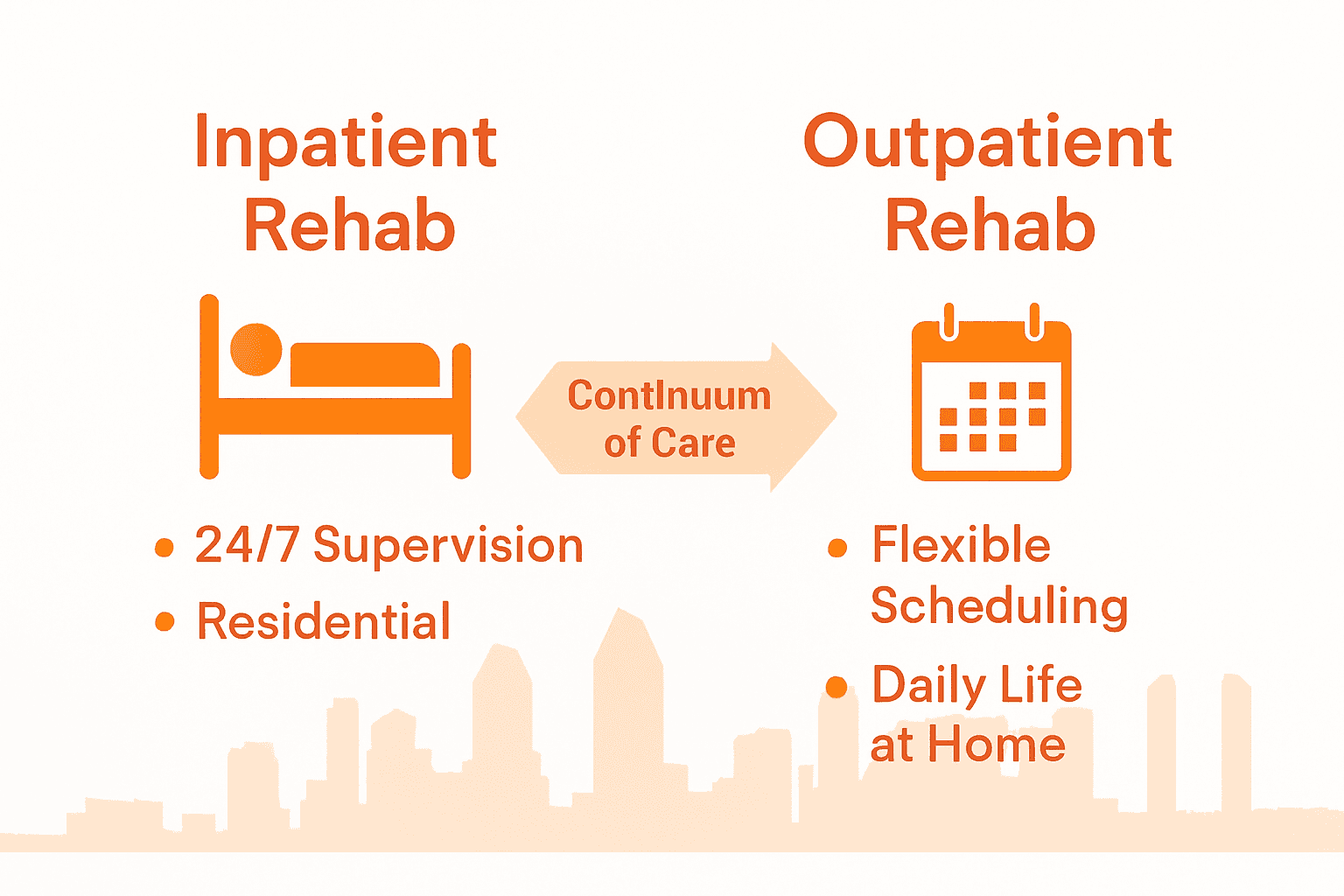
Addiction treatment offers multiple program types designed to meet individual needs and recovery goals. According to Tremor Action, two primary approaches are inpatient and outpatient rehabilitation. Inpatient rehabilitation provides a highly structured treatment environment with 24/7 medical supervision, which is particularly beneficial for individuals struggling with severe addiction. These programs create a controlled setting that minimizes external triggers and provides intensive support.
Outpatient programs offer a more flexible approach to addiction recovery. As Tremor Action explains, these programs allow individuals to maintain their daily responsibilities while receiving critical treatment. They are ideal for those with mild to moderate addiction or as a step-down option after completing an intensive inpatient program. Outpatient Rehab: Complete Guide for San Diego Residents provides more detailed insights into this treatment approach.
The National Association of Addiction Treatment Providers outlines a comprehensive continuum of care that includes multiple treatment stages: consultation, intervention, medically supervised detoxification, residential treatment, various levels of outpatient programming, transitional living, and aftercare services. This holistic approach ensures that individuals receive tailored support throughout their recovery journey.
Specialized rehab programs also exist to address unique recovery needs. For instance, Couples Rehab in San Diego offers treatment approaches designed for partners seeking recovery together, recognizing that addiction often impacts relationships and that joint treatment can provide mutual support and healing.
Evidence-Based Therapies and Innovations
Addiction treatment has evolved significantly, incorporating diverse therapeutic approaches that address the complex nature of substance use disorders. According to Addiction Group, Experiential Therapy (ET) represents an innovative non-traditional psychotherapy that helps individuals cope with addiction through creative activities like arts and crafts, role-playing, and guided imagery. These approaches enable patients to re-experience emotions and learn more productive ways of processing them.
OK Rehab highlights two critical evidence-based therapies: Cognitive Behavioral Therapy (CBT) and Dialectical Behavior Therapy (DBT). CBT provides essential skills for making positive behavioral changes, while DBT specifically supports individuals prone to extreme emotional reactions by teaching emotional regulation and healthier decision-making strategies. Dialectical Behavior Therapy in Recovery offers deeper insights into how this approach supports sustainable recovery.
Innovative therapeutic techniques continue to emerge in addiction treatment. Cutting-edge approaches like Brainspotting Therapy in San Diego and Ketamine Therapy in San Diego demonstrate the field’s commitment to exploring neurological and alternative treatment methods that can address underlying psychological challenges.
These evidence-based and innovative therapies share a common goal: providing personalized, comprehensive treatment that addresses not just the symptoms of addiction, but the root psychological and emotional factors driving substance use. By combining traditional therapeutic approaches with emerging techniques, modern rehabilitation programs offer hope and practical support for individuals seeking lasting recovery.

Support Systems and Sober Living Options
Recovery from substance use disorder extends far beyond initial treatment, requiring robust support systems and structured environments that promote sustained healing. Sober Living Environments Explained: Complete Guide highlights the critical role of transitional living spaces that provide a stable, substance-free environment for individuals continuing their recovery journey.
Support systems are multifaceted, encompassing professional resources, peer networks, and personal relationships. These interconnected support structures help individuals navigate challenges, manage triggers, and maintain accountability. Group therapy, 12-step programs, individual counseling, and family support networks all play integral roles in creating a comprehensive support ecosystem that nurtures long-term recovery.
Sober living environments offer structured, supportive housing that bridges the gap between intensive rehabilitation and independent living. Understanding the Benefits of Sober Living for Recovery emphasizes how these environments provide essential resources like peer support, accountability mechanisms, life skills training, and a controlled setting that minimizes relapse risks. Residents typically follow house rules, participate in group activities, and continue their treatment through outpatient programs or ongoing therapy.
Ultimately, successful recovery depends on building a holistic support network that addresses physical, emotional, and social dimensions of healing. Why Sober Living Matters: Complete Guide for Recovery underscores that recovery is not a solitary journey, but a collaborative process that requires consistent support, understanding, and commitment from both professionals and personal networks.
Long-Term Benefits and Life After Rehab
Recovery is a continuous journey that extends well beyond initial treatment. According to Help.org, aftercare is a critical phase that can continue for a year, several years, or even a lifetime, with treatment intensity gradually decreasing as individuals become more skilled at recognizing and managing potential triggers.
National Association of Addiction Treatment Providers highlights the comprehensive nature of aftercare programs, which may include diverse support services such as sober living arrangements, medical checkups, follow-up therapy sessions, alumni groups, and additional resources like career consulting and financial planning. Understanding the Benefits of Long-Term Addiction Treatment emphasizes how these ongoing support mechanisms help individuals rebuild their lives and maintain sustainable recovery.
Successful long-term recovery involves developing robust coping strategies, rebuilding personal and professional relationships, and creating a meaningful life beyond substance use. How Aftercare Prevents Relapse underscores the importance of continuous support in maintaining sobriety and addressing underlying psychological challenges. Aftercare programs provide essential tools for navigating life’s complexities while maintaining a commitment to personal growth and healing.
Ultimately, life after rehab is about transformation. Understanding Examples of Aftercare Programs illustrates how individuals can develop new skills, rebuild trust with loved ones, pursue career goals, and create a fulfilling life free from the constraints of addiction. The journey is ongoing, but with proper support and commitment, long-term recovery is not just possible—it’s a pathway to profound personal renewal.
Discover Lasting Recovery with Expert Rehab Designed for San Diego Residents
Struggling with addiction or co-occurring mental health challenges can feel overwhelming. This article highlights how tailored rehab programs, combining medically supervised detox, evidence-based therapies like Cognitive Behavioral Therapy, and supportive sober living environments, are crucial to overcoming substance use disorders. If you seek a structured treatment plan that addresses both the emotional and physical aspects of addiction, Healthy Life Recovery in San Diego offers a compassionate path forward.
Take the first step toward sustained healing today by exploring our comprehensive drug and alcohol rehab options including medically supervised detox and unique Active Recovery Tracks like surfing and yoga. Learn more about how our integrated approach can help you rebuild your life at Healthy Life Recovery. Ready to transform your story now Visit Healthy Life Recovery and connect with our caring team committed to supporting you every step of the way.
Frequently Asked Questions
What is rehab, and how does it help with recovery?
Rehabilitation, or rehab, is a structured treatment program aimed at helping individuals overcome substance use disorders. It employs evidence-based therapies to support long-term recovery and focuses on comprehensive personal transformation.
What types of rehab programs are available?
There are two primary types of rehab programs: inpatient and outpatient. Inpatient programs provide a structured environment with 24/7 supervision, ideal for severe addiction, while outpatient programs offer flexibility for individuals with milder addiction or those transitioning from inpatient treatment.
What evidence-based therapies are commonly used in rehab?
Common evidence-based therapies in rehab include Cognitive Behavioral Therapy (CBT) and Dialectical Behavior Therapy (DBT). CBT helps individuals change negative thought patterns, while DBT teaches emotional regulation and decision-making skills.
Why are support systems important in recovery?
Support systems, including peer networks and professional resources, are crucial for navigating challenges during recovery. They provide accountability, help manage triggers, and foster a collaborative environment conducive to long-term sobriety.