
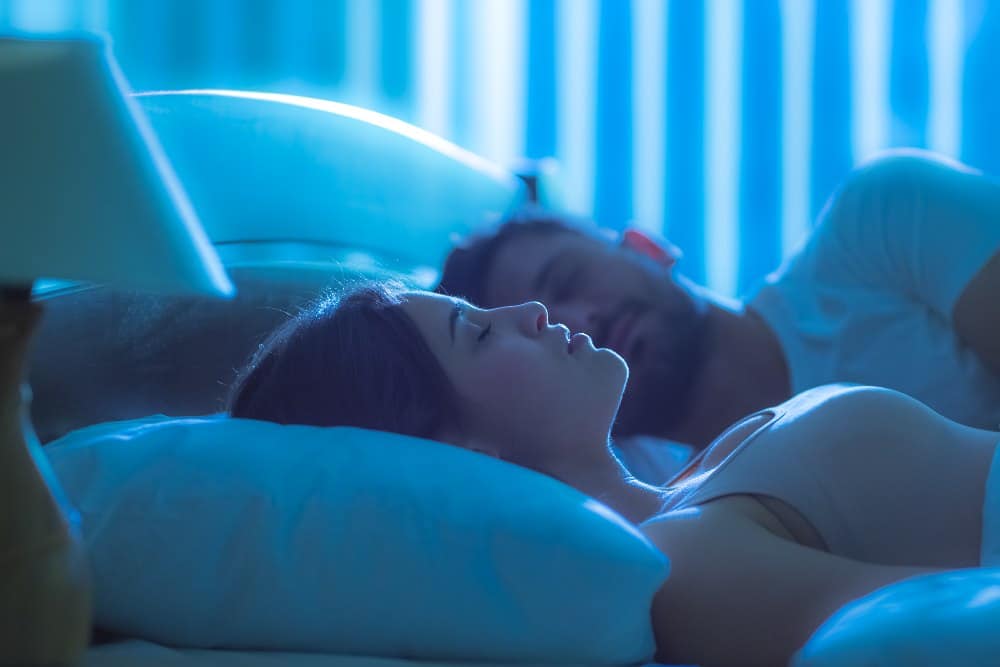
If you’ve spent any time on TikTok recently, you’ve probably seen countless videos about “sleep maxxing”—the viral trend of optimizing every aspect of your sleep routine. From mouth taping and magnesium supplements to weighted blankets and elaborate bedtime rituals, millions of people are searching for that perfect night’s rest. The hashtag #sleepmaxxing has generated hundreds of millions of views, with influencers sharing their secrets for deeper, more restorative sleep.
But here’s what most sleep maxxing videos won’t tell you: if you’re using substances like alcohol, marijuana, stimulants, or other drugs, no amount of sleep hacks, supplements, or expensive gadgets will give you the quality sleep you’re seeking. In fact, substance use might be the single biggest obstacle standing between you and the restorative sleep that sleep maxxing promises.
At Healthy Life Recovery, we’ve seen firsthand how substance abuse disrupts sleep architecture and prevents true recovery—both from addiction and from daily stress. This article explores the critical connection between substance use and sleep quality, and why getting clean might be the most important “sleep hack” of all.
Understanding the Sleep Maxxing Phenomenon
Sleep maxxing has exploded in popularity because people are finally recognizing what sleep scientists have known for decades: quality sleep is foundational to health, mental clarity, mood regulation, and overall wellbeing. According to the CDC, approximately 30% of U.S. adults don’t get the recommended amount of sleep, with a 2024 Gallup poll finding that 57% of adults feel they would be better off with more sleep.
The trend encompasses everything from evidence-based sleep hygiene practices to questionable social media hacks. Some popular sleep maxxing strategies include:
- Maintaining consistent sleep and wake times
- Keeping bedrooms cool (60-67°F), dark, and quiet
- Using blue light-blocking glasses before bed
- Taking magnesium supplements or “sleepy girl mocktails”
- Eating specific foods like kiwis before bed
- Using white noise machines or sleep trackers
- Practicing mouth taping or using nostril expanders
- Creating elaborate multi-step bedtime routines
While some of these strategies have scientific backing, sleep experts warn that many popular sleep maxxing practices range from ineffective to potentially harmful. But there’s one factor that rarely gets discussed in these viral videos: the devastating impact of substance use on sleep quality.
The Substance-Sleep Connection: A Vicious Cycle
Research from the National Institute on Drug Abuse (NIDA) has consistently demonstrated a bidirectional relationship between substance use and sleep problems. Sleep dysregulation affects more than 75% of individuals with substance use disorders, representing a major challenge to recovery. Substance use directly causes sleep disturbances, while poor sleep increases the risk of developing substance use disorders and makes relapse more likely during recovery.
How Substances Disrupt Sleep Architecture
Research published in PMC’s comprehensive review shows that nearly all drugs of abuse interfere with normal sleep patterns by disrupting the delicate cycling between non-rapid eye movement (NREM) sleep and rapid eye movement (REM) sleep. These disruptions occur both during active substance use and during withdrawal, with effects that can persist for months or even years after quitting.
Alcohol and Sleep
Many people use alcohol as a sleep aid, believing it helps them fall asleep faster. While alcohol does act as a sedative initially, it severely disrupts sleep quality throughout the night. According to research from SAMHSA, alcohol’s effects on sleep include:
- Shortened REM sleep: Alcohol suppresses REM sleep during the first half of the night, the sleep stage crucial for memory consolidation, emotional processing, and cognitive function
- Fragmented sleep: As alcohol metabolizes, it causes sleep fragmentation and frequent awakenings during the second half of the night
- Sleep apnea: Alcohol relaxes throat muscles, worsening or causing sleep-disordered breathing
- Rebound insomnia: During withdrawal, recovering alcoholics experience severe insomnia that can persist for months
Studies show that even moderate drinking disrupts sleep architecture, and the sleep problems associated with alcohol use disorder can remain severe for months after achieving sobriety.
Marijuana and Sleep
We’ve previously explored how marijuana affects sleep and dreaming, but it’s worth reiterating here: despite marijuana’s reputation as a sleep aid, regular cannabis use significantly impairs sleep quality.
- REM suppression: THC dramatically reduces REM sleep, leading to fewer dreams and impaired memory consolidation
- Tolerance development: Users quickly develop tolerance, requiring more THC to achieve the same sedative effects
- Rebound REM: Upon quitting, users experience intense REM rebound with vivid, often disturbing dreams
- Sleep architecture disruption: High-potency THC products (now common in legal markets) alter the natural progression through sleep stages
Research indicates that regular marijuana users report more sleep problems than non-users, and withdrawal is characterized by severe insomnia lasting weeks or months.
Stimulants (Cocaine, Methamphetamine, Prescription Stimulants)
Stimulant drugs wreak havoc on sleep through their direct effects on the central nervous system:
- Prolonged wakefulness: Stimulants can keep users awake for days at a time, leading to severe sleep deprivation
- Delayed sleep onset: Even after the high wears off, falling asleep becomes extremely difficult
- Reduced total sleep time: Chronic users experience significantly shortened sleep duration
- Altered sleep architecture: Stimulants disrupt the normal progression through sleep stages
For those addicted to prescription stimulants like Adderall, the withdrawal period brings crushing fatigue and hypersomnia (excessive sleep), yet the sleep quality remains poor. Understanding Adderall withdrawal is crucial for those seeking to quit.
Opioids and Sleep
Opioids present a complex relationship with sleep. While acute dosing may initially improve some aspects of sleep for those in pain, chronic use causes serious sleep problems:
- Sleep-disordered breathing: Opioids suppress respiratory drive, increasing risk of sleep apnea
- Fragmented sleep: Users experience increased awakenings and difficulty maintaining sleep
- Reduced slow-wave sleep: Deep, restorative slow-wave sleep is suppressed
- Persistent insomnia: During withdrawal and early recovery, insomnia is one of the most challenging symptoms
Research on individuals in methadone maintenance treatment shows that higher doses correlate with worse sleep quality, more frequent use of sleeping medications, and increased daytime dysfunction.
Benzodiazepines and “Z-Drugs”
Perhaps ironically, medications prescribed specifically for sleep often cause their own set of problems:
- Tolerance and dependence: Users quickly develop tolerance, requiring higher doses
- Rebound insomnia: Stopping these medications causes severe insomnia
- Altered sleep architecture: These drugs change the natural structure of sleep
- Next-day impairment: Many users experience “hangover” effects affecting daytime function
Understanding the risks of benzodiazepine abuse is essential for anyone considering or currently using these medications.
Why Poor Sleep Predicts Relapse
One of the most important findings in addiction research is that sleep problems significantly predict relapse. Studies published by the National Institutes of Health consistently show that individuals with persistent insomnia during recovery are at substantially higher risk of returning to substance use.
The mechanisms behind this connection include:
1. Impaired Cognitive Function and Decision-Making
Sleep deprivation impairs the prefrontal cortex—the brain region responsible for impulse control, planning, and decision-making. When you’re exhausted from poor sleep, you’re more likely to make impulsive decisions that lead to relapse.
2. Increased Stress and Emotional Dysregulation
Poor sleep amplifies stress responses and makes it harder to regulate emotions. The irritability, anxiety, and mood swings that accompany insomnia make managing recovery significantly more difficult.
3. Intensified Cravings
Research using ecological momentary assessment has found a clear temporal relationship between poor sleep quality and increased cravings. According to CDC research on substance use, one night of poor sleep can significantly intensify drug or alcohol cravings the following day.
4. Self-Medication Temptation
A CDC study on adolescent substance use found that 44% of adolescents in substance use treatment reported using substances “to sleep better or to fall asleep.” When faced with persistent insomnia, people in recovery may be tempted to self-medicate with their substance of choice or to use other substances like alcohol or marijuana as sleep aids—potentially triggering full relapse.
5. Reduced Treatment Engagement
Chronic fatigue from poor sleep makes it harder to fully engage in therapy, attend support meetings, or maintain the daily structure essential for recovery.
Sleep Problems During Recovery: What to Expect
Understanding the timeline of sleep problems during recovery can help set realistic expectations:
Acute Withdrawal (Days to Weeks)
During the acute withdrawal phase, sleep problems are typically at their worst:
- Severe insomnia with difficulty falling asleep
- Frequent nighttime awakenings
- Vivid, disturbing dreams (especially during alcohol and marijuana withdrawal)
- Daytime fatigue and sleepiness
- Heightened anxiety around bedtime
For specific timelines, see our comprehensive guides on alcohol detox duration and fentanyl withdrawal.
Early Recovery (Weeks to Months)
As acute withdrawal symptoms subside, many people continue experiencing sleep problems:
- Gradually improving but still disrupted sleep
- Continued difficulty with sleep initiation or maintenance
- Fluctuating sleep quality
- Persistent fatigue despite sleeping
Post-Acute Withdrawal Syndrome (PAWS)
Many individuals experience Post-Acute Withdrawal Syndrome, which can include sleep disturbances lasting for months:
- Episodic insomnia
- Non-restorative sleep despite adequate duration
- Sleep-related anxiety
- Irregular sleep patterns
Long-Term Recovery (Months to Years)
Research shows that for some individuals, particularly those with a history of heavy alcohol or long-term substance use, sleep architecture may remain altered for months or even years. However, sleep generally continues to improve with sustained sobriety.
Real Sleep Maxxing: Evidence-Based Strategies for Recovery
If you’re in recovery from substance use, here are the sleep optimization strategies that actually work—true sleep maxxing that goes beyond social media trends:
1. Prioritize Sobriety Above All Else
This cannot be overstated: maintaining abstinence from all substances (except prescribed medications under medical supervision) is the foundation for quality sleep. Every relapse resets the sleep recovery clock.
2. Implement Solid Sleep Hygiene
While these basics may seem boring compared to viral sleep hacks, they’re actually the most effective:
- Consistent schedule: Go to bed and wake up at the same time every day, including weekends
- Cool, dark, quiet bedroom: Keep your room between 60-67°F, use blackout curtains, and consider white noise if needed
- Reserve bed for sleep: Avoid using your bed for work, watching TV, or scrolling on your phone
- Limit screen time: Avoid screens for at least an hour before bed (blue light really does interfere with melatonin production)
- Watch your intake: Limit caffeine after 2pm and avoid large meals close to bedtime
3. Address Co-occurring Mental Health Conditions
Mental health conditions like anxiety and depression commonly co-occur with substance use disorders and independently contribute to sleep problems. Treating these conditions is essential for improving sleep.
4. Consider Cognitive Behavioral Therapy for Insomnia (CBT-I)
CBT-I is considered the gold standard treatment for chronic insomnia and has been shown to be effective in individuals recovering from substance use disorders. This structured therapy teaches you to:
- Identify and change thoughts and behaviors that interfere with sleep
- Use stimulus control techniques to strengthen the association between your bed and sleep
- Implement sleep restriction to consolidate sleep
- Practice relaxation techniques
- Address worries and anxiety about sleep
5. Engage in Regular Physical Activity
One of the most powerful natural sleep aids is exercise. Our Active Recovery Tracks incorporate physical activities that not only support addiction recovery but also significantly improve sleep quality:
- Morning or afternoon exercise helps regulate circadian rhythms
- Physical activity increases slow-wave (deep) sleep
- Exercise reduces anxiety and depression, which often interfere with sleep
- Regular activity helps normalize sleep-wake cycles
6. Get Morning Sunlight Exposure
Natural light exposure, especially in the morning, is one of the most effective ways to regulate your circadian rhythm. According to the National Heart, Lung, and Blood Institute, light is a powerful signal that helps set your body’s internal clock:
- Get outside within an hour of waking
- Aim for at least 10-15 minutes of sunlight exposure
- Avoid sunglasses during this morning light exposure (unless medically necessary)
- If natural light isn’t available, consider a light therapy box
7. Practice Stress Management and Relaxation Techniques
Stress and anxiety are major contributors to insomnia in recovery. Effective techniques include:
- Mindfulness meditation
- Progressive muscle relaxation
- Deep breathing exercises
- Yoga or gentle stretching
- Journaling before bed
8. Be Cautious With Sleep Supplements
While some sleep maxxing enthusiasts swear by various supplements, those in recovery should be particularly careful:
Potentially helpful (with medical supervision):
- Magnesium (may improve sleep quality)
- Melatonin (can help with circadian rhythm disturbances, though evidence for insomnia is limited)
Avoid or use extreme caution:
- Products containing CBD or CBN (can trigger cravings or complicate recovery)
- Kava or valerian root (potential for dependence)
- Any supplements that could interact with recovery medications
Always consult with your treatment team before starting any supplements.
9. Work With Your Treatment Team
Professional support is crucial. At Healthy Life Recovery, our comprehensive addiction treatment programs address sleep problems as part of holistic care:
- Medical professionals can monitor sleep patterns and adjust medications if needed
- Therapists can address anxiety and other barriers to sleep
- Our team can help you develop personalized sleep strategies
- We can refer you to sleep specialists when appropriate
10. Be Patient and Realistic
Perhaps the most important aspect of sleep maxxing in recovery is setting realistic expectations. Your sleep won’t magically fix itself overnight, and that’s okay. Understanding that sleep problems are a normal part of recovery—and that they will improve with time and sobriety—can reduce the anxiety that often makes sleep problems worse.
When Sleep Problems Require Professional Evaluation
While sleep disruption is common in early recovery, certain symptoms warrant professional evaluation for potential sleep disorders. According to the American Academy of Sleep Medicine, these warning signs include:
- Loud snoring or witnessed breathing pauses during sleep (possible sleep apnea, especially common in those with opioid use history)
- Irresistible urge to move legs when trying to sleep (possible restless legs syndrome)
- Acting out dreams or abnormal movements during sleep
- Excessive daytime sleepiness despite adequate sleep time
- Insomnia persisting beyond six months of sobriety
Our team at Healthy Life Recovery can help connect you with sleep specialists when needed as part of comprehensive care.
The Real Truth About Sleep Maxxing and Recovery
The sleep maxxing trend has done something valuable: it’s made people take sleep seriously as a pillar of health. Research from the Global Wellness Institute found that 91% of travelers are willing to pay up to 10% more for sleep-enhancing hotel accommodations, and sleep tourism has become a booming industry. This cultural shift toward prioritizing sleep is undoubtedly positive.
However, for those struggling with substance use, the path to truly optimized sleep doesn’t run through nostril expanders, mouth tape, or magnesium mocktails. It runs through the often difficult but ultimately rewarding journey of recovery.
The research is unequivocal: substance use and quality sleep are fundamentally incompatible. While the acute phase of recovery brings significant sleep challenges, achieving and maintaining sobriety remains the most powerful sleep optimization strategy available.
Every viral sleep hack, expensive mattress, or elaborate bedtime ritual is built on a foundation of neurobiology that requires a brain free from the disrupting effects of addictive substances. Give your brain the chance to heal, and the sleep will follow.
Getting Help: The First Step to Better Sleep
If you’re struggling with substance use and sleep problems, professional treatment offers the best chance for addressing both issues effectively. At Healthy Life Recovery, we understand the complex relationship between addiction and sleep, and our programs are designed to support your journey to both sobriety and restorative sleep.
Our medically supervised detox provides safe management of withdrawal symptoms, including sleep disturbances. Our comprehensive treatment programs then address the underlying issues contributing to both addiction and sleep problems, giving you the tools and support needed for lasting recovery.
Don’t let another sleepless night keep you trapped in the cycle of substance use. The deep, restorative sleep you’re seeking through sleep maxxing strategies is possible—but it starts with addressing substance use first.
Conclusion: True Sleep Optimization Begins With Recovery
The sleep maxxing trend reflects a genuine hunger for better sleep and overall health. But for those struggling with substance use, no amount of optimization hacks, gadgets, or supplements can compensate for the neurological disruption caused by drugs and alcohol.
Real sleep maxxing in recovery means:
- Committing to complete abstinence from substances
- Being patient through the challenging early recovery period
- Implementing evidence-based sleep hygiene practices
- Addressing co-occurring mental health conditions
- Engaging in regular physical activity
- Working with treatment professionals
- Allowing your brain the time it needs to heal
The journey from substance use to quality sleep isn’t easy or quick, but it’s absolutely achievable. With proper support, evidence-based treatment, and sustained commitment to recovery, the restorative sleep that has eluded you is within reach.
Ready to Start Your Journey to Better Sleep?
If you or a loved one is struggling with substance use and sleep problems, we’re here to help. At Healthy Life Recovery in San Diego, our compassionate team provides comprehensive treatment that addresses both addiction and the sleep disturbances that accompany it.
Contact us today at (844) 252-8347 to learn more about our evidence-based programs and take the first step toward achieving both lasting sobriety and the quality sleep you deserve. True sleep optimization—real sleep maxxing—begins with recovery.