

Golf For Addiction Recovery
San Diego Addiction Treatment Center

Golf For Addiction Recovery
Golf can be incredibly useful when helping people stabilize their mental and behavioral health. Healthy Life Recovery allows clients to practice golf as a part of their treatment plan. The staff of mental health professionals schedules the right programs for clients’ morning sessions and designs appropriate afternoon activities.
Healthy Life Recovery is located in San Diego, California, and offers outpatient substance abuse and dual diagnosis treatment. Our treatment center encourages clients to recover while exploring some of their favorite hobbies. By combining holistic methods like golf with evidence-based therapies, long-term recovery from addiction can be found.

What is Golf for Recovery?
Golf for recovery integrates emotional, physical, and mental well-being to restore an addiction patient’s stable condition through exercise. Its immersive nature creates a feeling of inspiration and power among golfers. Therefore, golf for recovery is where therapists use training to restore a patient’s mental or emotional health.
Apart from the recreational value of golfing, therapists use it to support patients with mental problems. For example, athletes release endorphins during exercise, a feel–good chemical that relieves people of stress and pain. The challenges that golfers face on the course prepare them for real–life challenges.
Golf makes it possible for athletes to identify their strengths and weaknesses. The recovery process takes a long time, and people need to take one step at a time. Experts know how to identify traits of patients and discuss how different programs would support their recovery.
Golfers rely on their trainers and treatment providers to guide them through the emotional stability programs. Clients can take part alone in the programs or participate in groups.
Is Golfing for Recovery Effective?
The law in San Diego, California, compels caregivers to design safe and comfortable therapeutic measures for patients with different challenges. Studies have shown that recovering patients should trigger their pleasure centers with endorphins rather than depressants.
Most golfers release endorphins when they achieve specific goals, like getting the ball into the hole or walking around. Since golf is a type of exercise that enhances the release of endorphins, it becomes an effective way for patients to recover from substance use disorders.
Besides, golfing enables patients to form and foster cordial relationships based on shared interests–a crucial factor for mental health recovery. It teaches clients to be persistent and persevering, which are dear to anybody on a recovery path. Since golfing is an outdoor event, playing in the sun helps athletes to have a good mood.
Researchers have also reiterated the role of nature in reducing stress and depression in athletes. Healthy Life Recovery has qualified mentors who walk patients through how to deal with frustrations and handle setbacks. They begin to understand and appreciate that one may not be successful on the first attempt–but should be upbeat for a second chance.
Therefore, golf recovery can effectively mirror patients’ challenges in real life and prepare them to react during low moments. Golfing rejuvenates athletes by increasing their energy levels and clearing their brains to give them good feelings. Golf recovery suits athletes’ physical and emotional health and heart wellness.
What are the Benefits of Golf for Recovery?
Athletes who ask, “Is golf good for recovery,” should peruse this posting to recognize how exercise is instrumental in recovery. The social nature of golfing is invaluable, especially where it involves individuals who cannot participate in rigorous activities. There are many health benefits associated with playing golf. This event is comparatively lax compared to the other forms of sports.
The following are the benefits of golfing for recovery:
Golf is a Low-Injury Event
The overall risk of injury in golf is low compared to other sports events. What matters most in golfing is accuracy, coordination, and proper strategy when swinging and pivoting. In addition, it provides players with enough physical activities to stretch the muscles during recovery. The movement golfers use when on the course acts as a natural anti-inflammatory.
Golfing Keeps a Player’s Heart Rate Up
Patients looking for a holistic approach to recovery should try golfing, which offers a chance for the heart to function efficiently. Golfing is one of the best ways patients can adopt to burn excess calories to help the heart pump faster and improve blood circulation. In addition, the event supports the body to shelve the danger of heart problems and improve the biochemistry of an athlete.
Golfing Fosters Relationships
Individuals recovering from substance abuse, mental problems, emotional challenges, or physical disorders require something that can attach them to society. Given its social nature, golfing is a magnificent way to keep friends and families together when one is undergoing therapy. In addition, the sport is less intensive/competitive than other events; hence it connects more than tears participants apart.
Golfing Features Moderate Exercise, Which Reduces Anxiety During Recovery
Golfing helps patients to participate in active problem–solving activities under the umbrella of leisure. When players focus on the game, they tend to forget the things that lead to episodes of depression or anxiety. Besides, the endorphin enzymes the body produces during golfing play a crucial role in reducing stress.
Golfing is a Gateway to Nature’s Best
One of the most riveting things about golf is that it exposes players to nature. In addition, it is a fabulous way for athletes to switch off from the hustle and bustle of contemporary society, where technology and social media have taken over. As a result, players assume a state of calmness and clarity during the events.

Golf for Addiction Recovery in San Diego
Golf offers patients a moderately intense way of exercising the body by stimulating a challenge and providing a pleasant procedure for finding a solution. Walking around, carrying light bags, and swinging putters improve players’ physical health. Increased heart rates and proper blood circulation result in desirable heart conditions.
When a patient’s heart functions properly, the brain gets enough stimulation, and the body becomes balanced. As a result, such clients recover faster than those who are inactive. Playing golf can help clients recover and find healthy coping skills to manage their mental health.
This attitude is crucial during recovery and especially for clients to stay well in the long term. People who are struggling with substance abuse or mental health can find peace and serenity on the golf course.
At Healthy Life Recovery, we understand that the road to a happier and healthier life requires a well-rounded treatment experience. Our treatment team is committed to supporting clients as they reach their mental health goals.
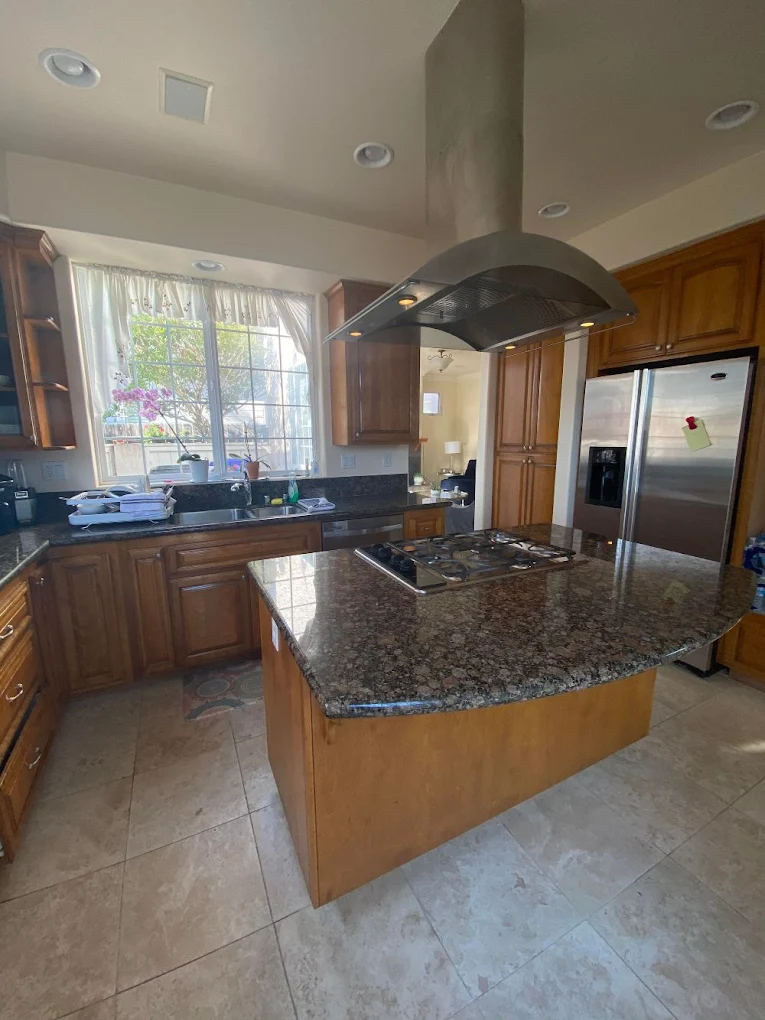
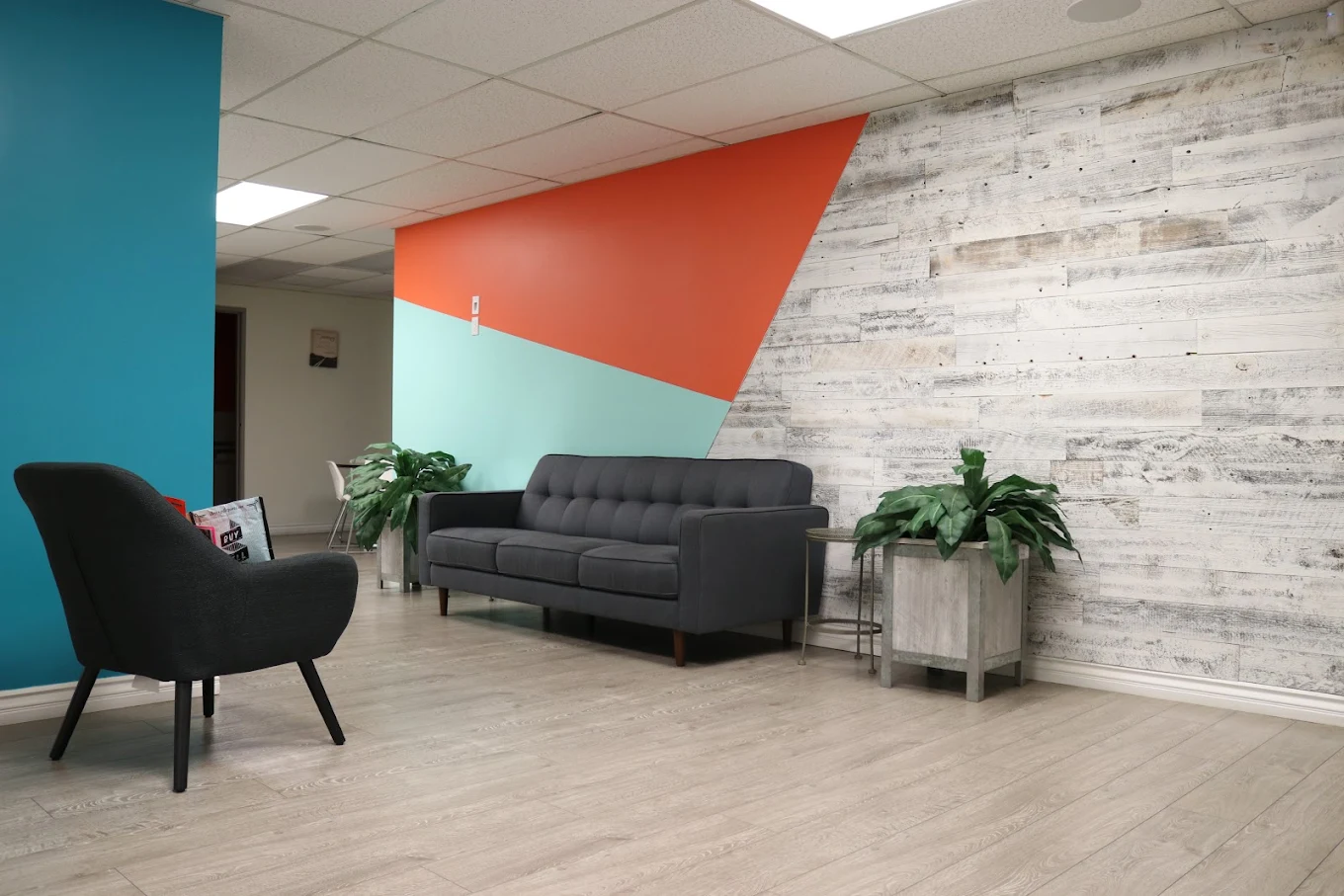
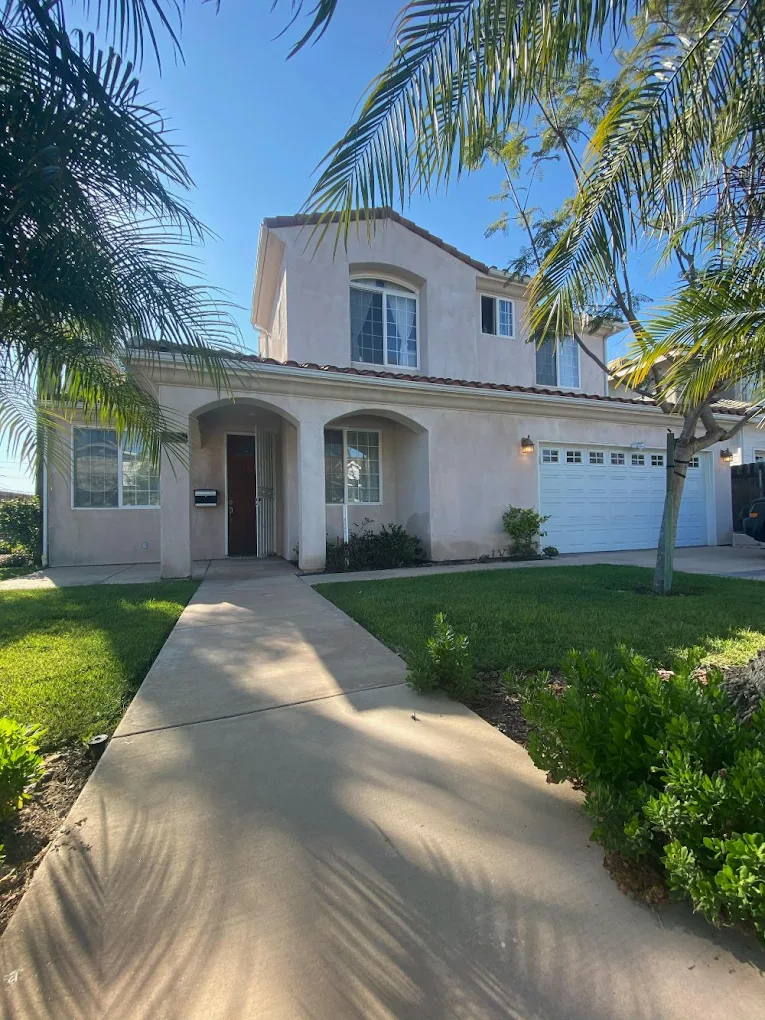
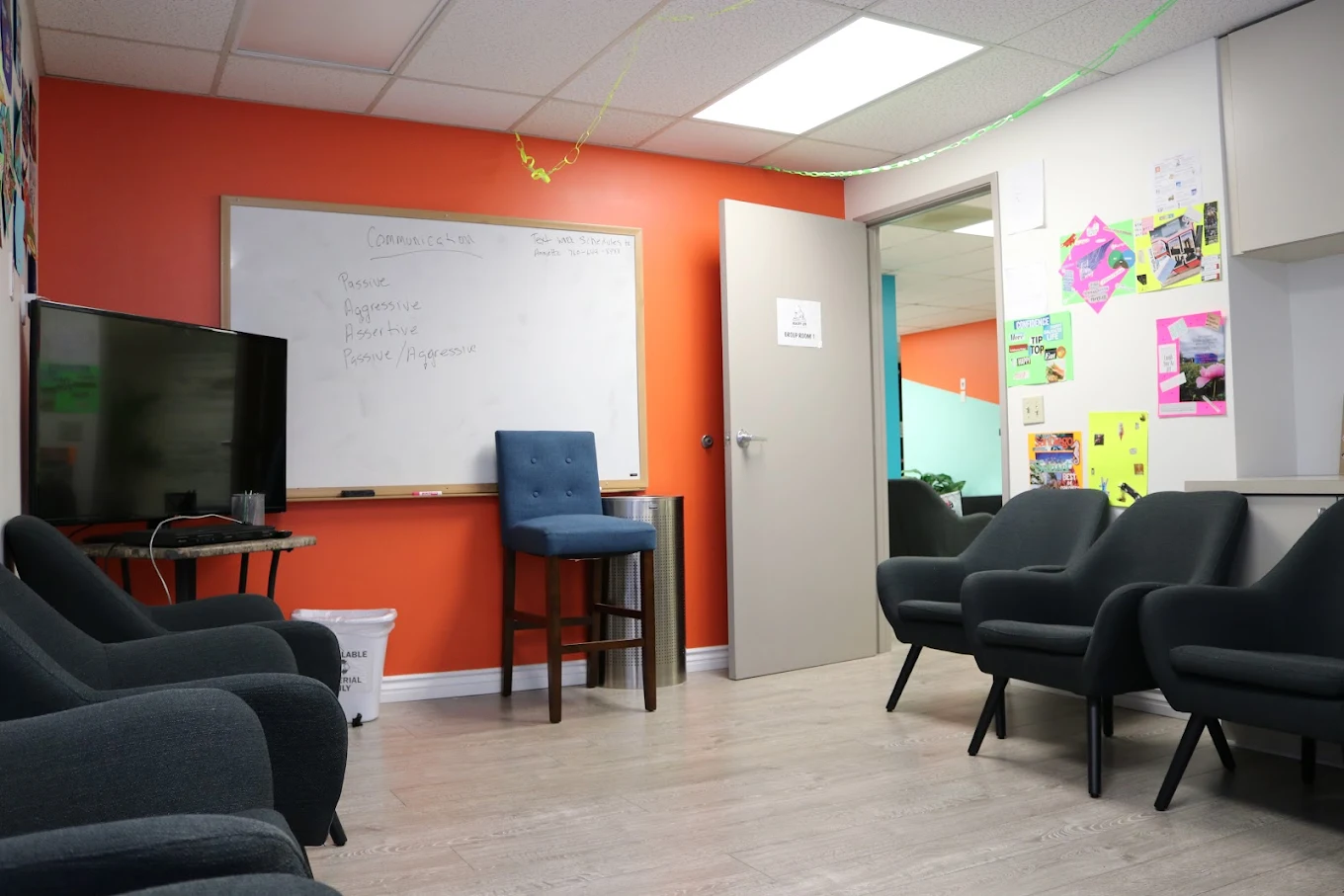
Our Facilities

Testimonials & Reviews


Posted onTrustindex verifies that the original source of the review is Google. I am a recent client just retuning home from Healthy Life Recovery in San Diego, California. My intention was to stay only 30 days, however, I stayed almost one year. The staff is extremely knowledgeable and kept me engaged. I stayed at two sober living homes throughout my stay and they were both very clean and nice. The treatment and therapy I received was also quite helpful. I am sober today because Healthy Life allowed me to grow. I have found a new passion for life and will Forever, be grateful.Posted onTrustindex verifies that the original source of the review is Google. I’m very grateful to Healthy Life Recovery for the amazing help given to me on my sobriety journey. I’ve spent years fighting childhood trauma and with the help of my wonderful therapist, Rachel I’ve been able to move past it. I can’t thank enough the owners Ryan & Keith, the Clinical Director Dr. Bonnie or the outstanding staff. The HLR staff are a wonderful bunch of kind people who really care about others success at long term sobriety. They were fortunate enough to survive this disease and they want you or your loved one to survive too. If you are looking to get sober and Stay Sober Healthy Life will get you and Keep You There!Posted onTrustindex verifies that the original source of the review is Google. I had been struggling with some major mental issues since August of 2024, which is when I admitted myself into a mental health facility for six nights and seven days in the San Fernando Valley. I wasn't able to get the proper after care treatment in Los Angeles due to Red Tape and lack of facilities. I reached out to Mädchen Amic who is the Founder/President of the Don't Mind Me Foundation in Palm Springs, Ca.I worked with her on Twin Peaks , Then Twin Peaks:The Return, and knew about her Foundation, and let her know my current situation. She was aware my past struggles. She contacted Keith Blanenship, who is the Executive Director at Healthy Life Recovery in San Diego,Ca.Within minutes, Keith contacted me. After a few minutes on then phone, He invited me down to check out their programs and facilities. The next day I drove down and was greeted by Keith. He gave me a guided tour of their operations. I was then introduced to Bonnie Mitchell, who is the Clinical Director at Healthy Life Recovery.Within seconds, I knew I had found the right home to get the help needed.What I didn't realize is that Mädchen had arranged a sponsorship thru The Don't Mind Me Scholarship Fund. I checked in two days later and had my Intake meeting with Bonnie. When that ended, I was then sent to my house I would be living at for a undecided amount of time. I want to thank Jody (House Captain) and my other six roommates who made me feel welcome and relaxed during my stay. My day consisted of four classes, medical checkups and weekly one on ones with Bonnie. Weekend events such as giving back to the community (Trash Clean Ups, Graffiti Removal), Hiking, Kickball, Volleyball, Softball, Canoeing are just some of the weekend events provided. After three weeks I felt I was ready to get back home, which was a tough decision because I enjoyed every second of my experience at Healthy Life Recovery. I am am now on their Out Patient program which includes daily assignments, Telehealth appointments and in person appointments with them once a month.I enjoy having the opportunity to still be involved with Healthy Life Recovery. I am now part of their Alumni Group, which means I can share my story with people with the same issues I have, and to inspire them the way I have been. I want to thank all of the staff and fellow clients at Healthy Life recovery. for helping me getting my life back on track.Posted onTrustindex verifies that the original source of the review is Google. I definitely wanted to add a positive review from my time at Healthy Life. Recently finished my program and I am cannot say enough good things about their program or “community” of staff / clients / owners. Like many, I have been in many rehabs and sober living houses and almost always felt like a number or just money for the programs. I came out to California for rehab and everyone there served as a secure replacement for family at home. To my surprise, I found nearly everything from their groups, community outings, individual therapy, and options for exercise / MMA training the perfect combination for myself. Added, I have sat through endless rehab groups over the years and basically watched the clock for them to end. Healthy Life’s groups and therapy actually sunk into my stubborn head. The therapists / case managers / group facilitators are very knowledgeable and organized with goals to better you emotionally and physically. Anyways, I will always be grateful for my time in their program, something I cannot say for most of my rehab experiences.Posted onTrustindex verifies that the original source of the review is Google. Healthy life saved my life and I am so grateful to them. The staff were super understanding and compassionate. I was able to process and accept a lot of my life through individual therapy as well as group therapy with my peers.Posted onTrustindex verifies that the original source of the review is Google. Healthy Life Recovery is place to recover, change your life, and make connections with people trying to do the same thing. There are sober housing options as well. Basically Healthy Life is a key into a fantastic recovery community, as well as the knowledge you walk away with. They really teach you "how to fish sober" at this place. Big shout out to all the staff as well everyone I met really fostered growth. THANK YOU HEALTHY LIFE.Posted onTrustindex verifies that the original source of the review is Google. I’ve been deeply grateful for the benefits I received from their program. The group sessions bring together individuals from very diverse backgrounds, often creating powerful spaces for vulnerability, insight, and moments of real healing. That said, true recovery begins when you make a wholehearted commitment to yourself and take full accountability for your journey. After all, you’re the only one who is with yourself 24/7. During the group sessions, be honest and open. Listen not only to the facilitators, but also to your fellow peers—everyone has something valuable to offer, especially when the group is engaged and present. Healing is possible—and it begins with you. Good luck!Posted onTrustindex verifies that the original source of the review is Google. I went to HLR for a year and it is hands down the best program in SD. The staff go above and beyond for the clients and truly care about their well being. I would recommend HLR to anyone looking to get better.

Edited for Clinical Accuracy By
Sean Leonard is a board-certified psychiatric nurse practitioner. He received his master’s degree in adult geriatric primary care nurse practitioner from Walden University and a second postmaster specialty in psychiatry mental health nurse practitioner from Rocky Mountain University. Sean has experience working in various diverse settings, including an outpatient clinic, inpatient detox and rehab, psychiatric emergency, and dual diagnosis programs. His specialty areas include substance abuse, depression, anxiety, mood disorders, PTSD, ADHD, and OCD.

Medically Reviewed By:
Dr. John Allen, MD is a psychiatrist in El Cajon, CA and has over 45 years of experience in the medical field. Dr. Allen has extensive experience in Addiction & Substance Abuse and Psychotic Disorders. He graduated from Baylor University in 1976.