

Community In Recovery
San Diego Addiction Treatment Center
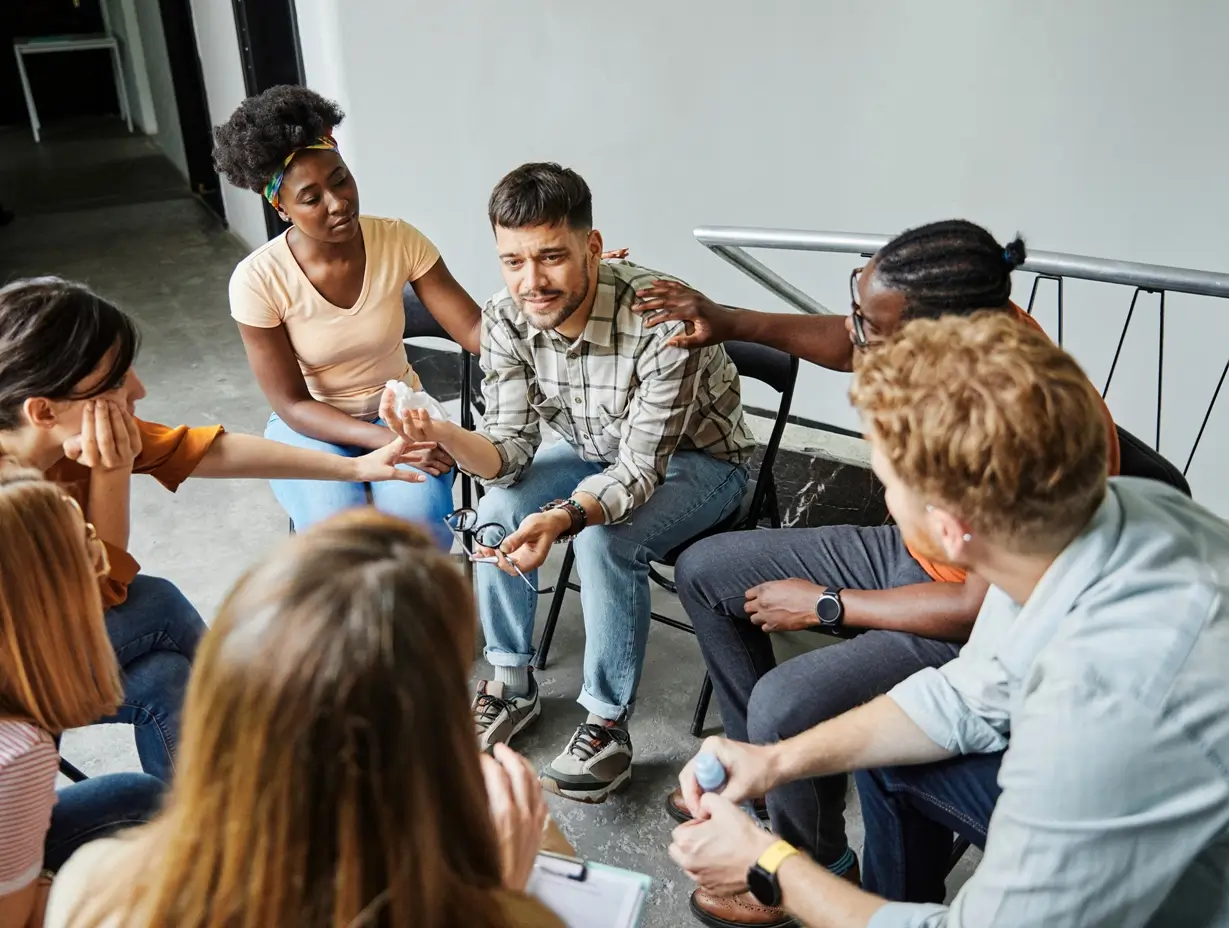
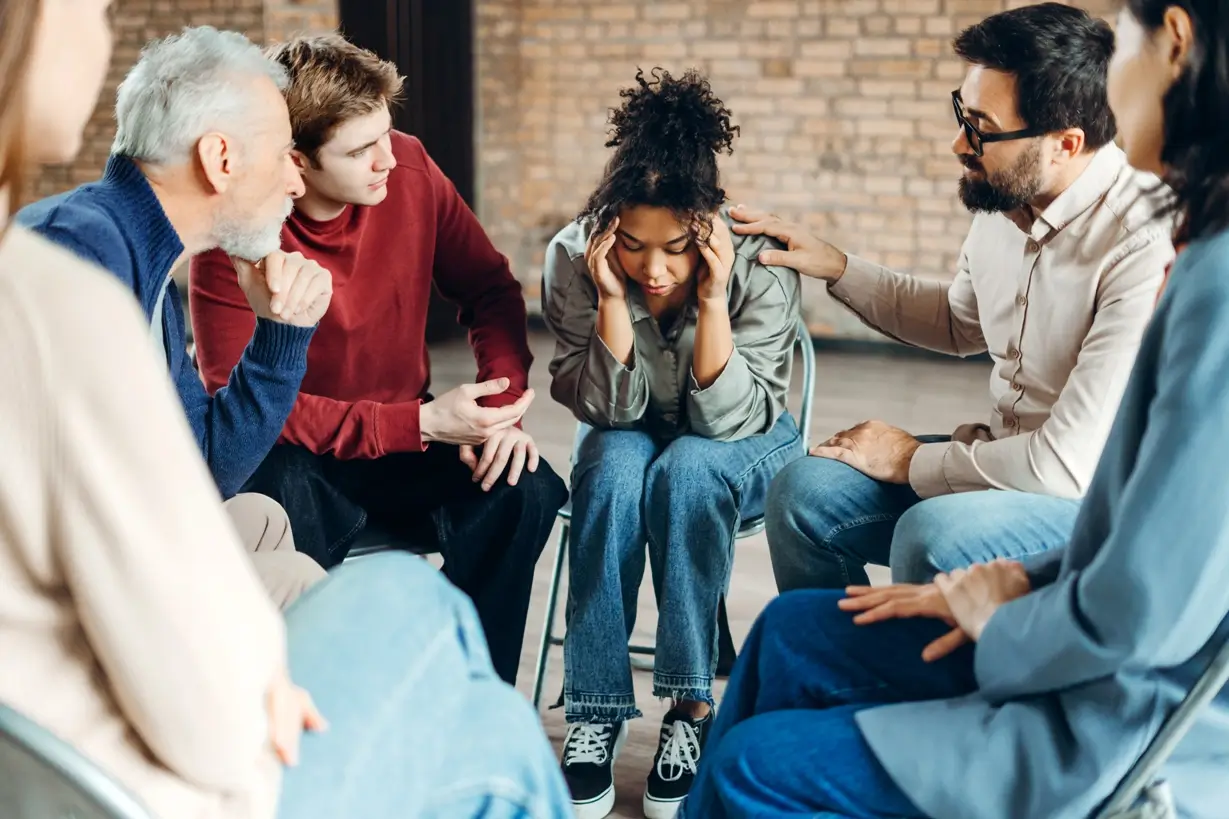
The Agony of Isolation
Addiction is an isolating disease. When you are caught in active alcoholism or drug abuse, your world shrinks. Life is centered around your dealer, your means of getting money to feed your addiction, and your place to use. Socializing, hobbies, and having fun are not priorities in an addicts life. You isolate yourself from anyone who can’t help you get that next high. Your circle of friends shrinks smaller and smaller. You descend into deep isolation from anyone and any place that isn’t supporting your addiction.
The most painful aspect is the emotional and mental solitude that comes with addiction. There is a paralyzing level of shame that keeps others at a distance. You don’t want them to see who you really are. Deep within, you become afraid or their judgment, rejection, and abandonment. Feelings of failure and hopelessness become a natural part of a substance abuser’s thoughts. They think that they’re less than others, that no one understands their pain, and that they’re just too different to have any meaningful connections with anyone else.
By themselves, the addict can find no solution to the grip of active addiction. Many find that they can’t quit on their own. Their own plans to cut back, using based on self-will, haven’t worked. They may feel like they’ve tried everything and may give up to the feeling that they are forever stuck in this cycle of drug abuse. They even farther away from the world that surrounds them.
Healing Takes A Team
We typically think of a community in mostly a geographical sense-neighborhoods, towns, and cities. In recovery, our definition of a community is deeper. The members of our recovery neighborhood are those who have the same disease of addiction but who are working corporately to stay clean and live a fulfilling life.
Their backgrounds might be similar to vastly different but their disease binds them deeper than most other forms of community. Recovering addicts find that they can instantly feel a connection to anyone else in recovery from anywhere in the world.

In recovery, your community includes people who relate to your struggles with emotions, who understand your fears, who have felt the same sense of desperation, who have come from the same depths of haplessness. They can relate to you in a way that few non-addicts can. It is vital that those in recovery find their recovery community and stop the natural instinct to isolate.
Unfortunately, family members aren’t usually the best choice for promary support in recovery. Families might not know how to effectively support a recovering addict unless they have been in recovery or are active in family support like Al-Anon. Many times an addict’s most challenging triggers come from family members. A traumatic family past can hinder the emotional intmacy needed for early sobriety. Recovery offers the opportunity to heal from the scars left by one’s relationship with family members, but while that healing is in preogress, it is best for the recovering alcoholic or addict to find a different kind of family that is walking the same path and is familiar with every step in the journey.
It Can Be Challenging
Many in early recovery feel a lot of fear of becoming new members of a recovery community. There is a fear of judgment or fear that they won’t be able to connect. They enter the treatment world full of shame, depression, and anxiety. There can be a lot of insecurity about making new friends and trusting new people. You might think you’re different, worse than others, or not as bad as them. It feels uncomfortable, and there is the fear of not fitting in and ultimately being rejected. This social anxiety is common to everyone in early recovery.
Benefits of Being Part of A Community

Building a New Identity
“Who am I?”, “Where do I belong?” are questions that arise in early recovery. The old life and patterns of thought were destructive and there is a new realization that you need to leave the old ways behind. But leaving the old ways means re-evaluating everything that made you, you – your group of friends, what you did for fun, the image you built up for yourself. But being part of a recovery community re-introduces you to yourself.
Sobriety in a community means you can identify as a recovering alcoholic or addict. We believe that this identity helps you always stay vigilant against your disease and reminds you to continue to use the tools of recovery throughout your lifetime. You also become part of a new family that understands you deeper than some of your relatives.
You get a new sense of purpose – to share the message of recovery to the alcoholic/addict that is still suffering. When you get sober, you have new freedom to take your life in any direction you wish but you also find a new joy in identifying as part of a community dedicated to helping each other stay clean and to reaching those who need recovery.
Getting to know who you really are and having a meaningful purpose are crucial elements of lasting recovery

Learning to Socialize Again
Becoming part of a community reintroduces you to the joy of having meaningful connections with others. You will learn healthy communication skills, a recovery community is a safe place to talk about your day, your life, with your real voice. You can openly talk about your darkest struggles, your personal quirks, and your loftiest dreams without the fear of judgment.
You will learn to be honest with yourself and your relationships. You don’t have to live in denial and you will see that it’s ok to be vulnerable with others. You can let your guard down, not to be consumed with your image, and be transparent about your life. For many in recovery, this level of honesty is a new, uncomfortable, but liberating experience.
Those who have a lengthy substance abuse history may no longer be familiar with socializing with no-drug related activities. The community can show you how to have fun and enjoy hobbies without the use of drugs or alcohol. Most of all, you will experience love in its purest form. Your allies in recovery will show you a type of sacrificial love that you might not have ever seen before. They will be there for you in times of need and be a source of strength when you feel weak. They will love you until you learn to live yourself. All it takes is willingness and open-mindedness to allow the community to embrace you.
Real-Life Examples: A Source of Hope
Long term sobriety is an utterly foreign experience for those with chronic substance abuse disorder. Attempting to manage life situations without drugs or alcohol can be a disorienting feeling. Education and information are not the only ingredients for sobriety that sticks. You need practice in applying all the tools and techniques you learn. The best, most efficient way to incorporate these into your life is to follow a mentor or sponsor.
A community has an abundant supply of people you can look up to and emulate. They have put in the work, and have substantial life experience, and developed a life that you’d like for yourself. They have what you want. You can listen to their stories and you can attach yourself to one as your mentor/ sponsor. as your sponsor, they can give you specific guidance tailored to your own particular situation.

This relationship will teach you how to open up to another person and how to follow healthy guidance. They might not be medical professionals but they have been where you are and have risen from the chains of their addiction. Therefore, they carry the authority of experience and sobriety success.
These examples of sobriety also serve as your source of hope. Thoughts of hopelessness and desperation can plague the mind in early recovery. The urge to give up can be strong. The disease can give over-critical and judgmental eyes and tempt you to run from your quest for sobriety. But being in touch with others who have built long-term sobriety can restore the assurance that you can make it too. You can look at the lives they’ve built, how they regulate their emotions, and how they live by recovery principles. You’ll gain confidence that if you follow their footsteps, you can thrive in your life of sobriety. Your disease will try to convince you otherwise. Staying connected to a recovery community will help you work through doubts and fears and keep you firmly planted in hope.

Stress Management
Many attribute unregulated stress as one of the most common causes of relapse. Facing life without drugs or alcohol can strike fear in early recovery. You might be facing many parts of life sober for the first time. Employment, romantic relationships, financial obligations, and legal problems can all be sources of high anxiety.
Without alcohol or drugs, one might feel overwhelmed with the inability to escape or numb emotions. Additionally, emotions seem more intense because the body is healing and emotions aren’t being chemically suppressed. Unless one uses healthy coping techniques the onslaught of stress can drive one back to drugs or alcohol for relief.
When you’re part of a community you have a healthy resource for stress management. There will be a list of people with whom you can talk about your anxieties. Vocalizing your thoughts is usually a great first step in regulating any emotion. Your recovery community will be full of ears eager to listen to your struggles. They could also help you decompress as sober companions for going out, exercising, taking a walk, watching a movie, eating at a restaurant, and a host of other diversions to ease your stress level. Stress comes from the appearance of danger. The listening ears, input, and companionship from others will help assure you that everything will be ok as long as you stay clean and do the right thing.
Finding Your Community
- Consider treatment in a new city or state, far away from old influences
- Complete the full program in inpatient treatment
- Become an active, participating member of NA, AA, or other related 12-step groups
- Continue treatment with intensive outpatient treatment (IOP)
- Reside in sober living
- Be of service and mentor others in early sobriety
Consistency is key. Keep showing up. Get there early. Stay late. Meet people. Get phone numbers and use them. Volunteer for every needs the group has. Act as you belong and soon you will belong.
The Healthy Life Recovery Community
Healthy Life Recovery believes that community is a central ingredient of enduring recovery, but we also understand the challenges newly sober individuals face in building a new social world. The program at HLR is designed to educate clients on the role of community and the possible obstacles they face in participating in that community. Clients have the opportunity to work on lowering the barriers that kept them detached from supportive communities. Healthy Life Recovery is a welcoming, safe place to practice participating in recovery communities. It usually doesn’t come naturally at first, but over time, many clients learn to actively engage with others to empower their own recovery.
Healthy Life Recovery is located in Pacific Beach, California, where there is a large, vibrant recovery community. There are 12-step meetings throughout the day, every day. Clients learn to reach out, beyond our treatment center, to expand their support network. Their time at our treatment center is temporary, but permanent recovery depends on deep, meaningful connections outside our walls. Most of all, we want our clients to serve their recovery community. We encourage our clients to take up commitments at their support group meetings and eventually mentor or sponsor someone new to recovery.
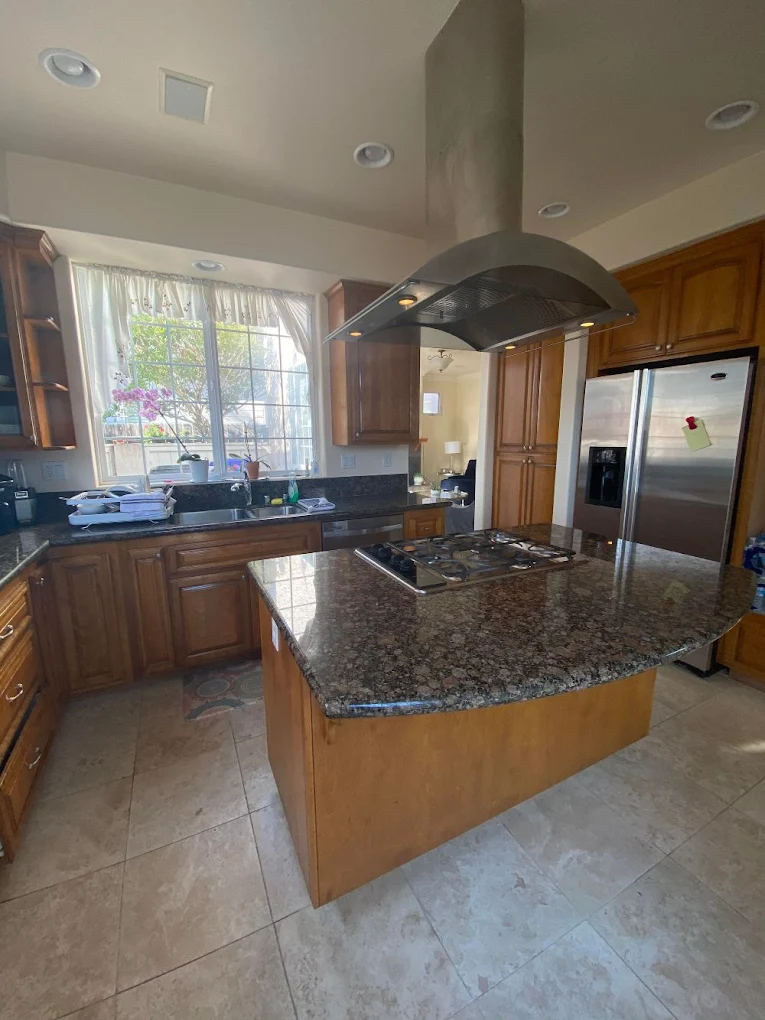
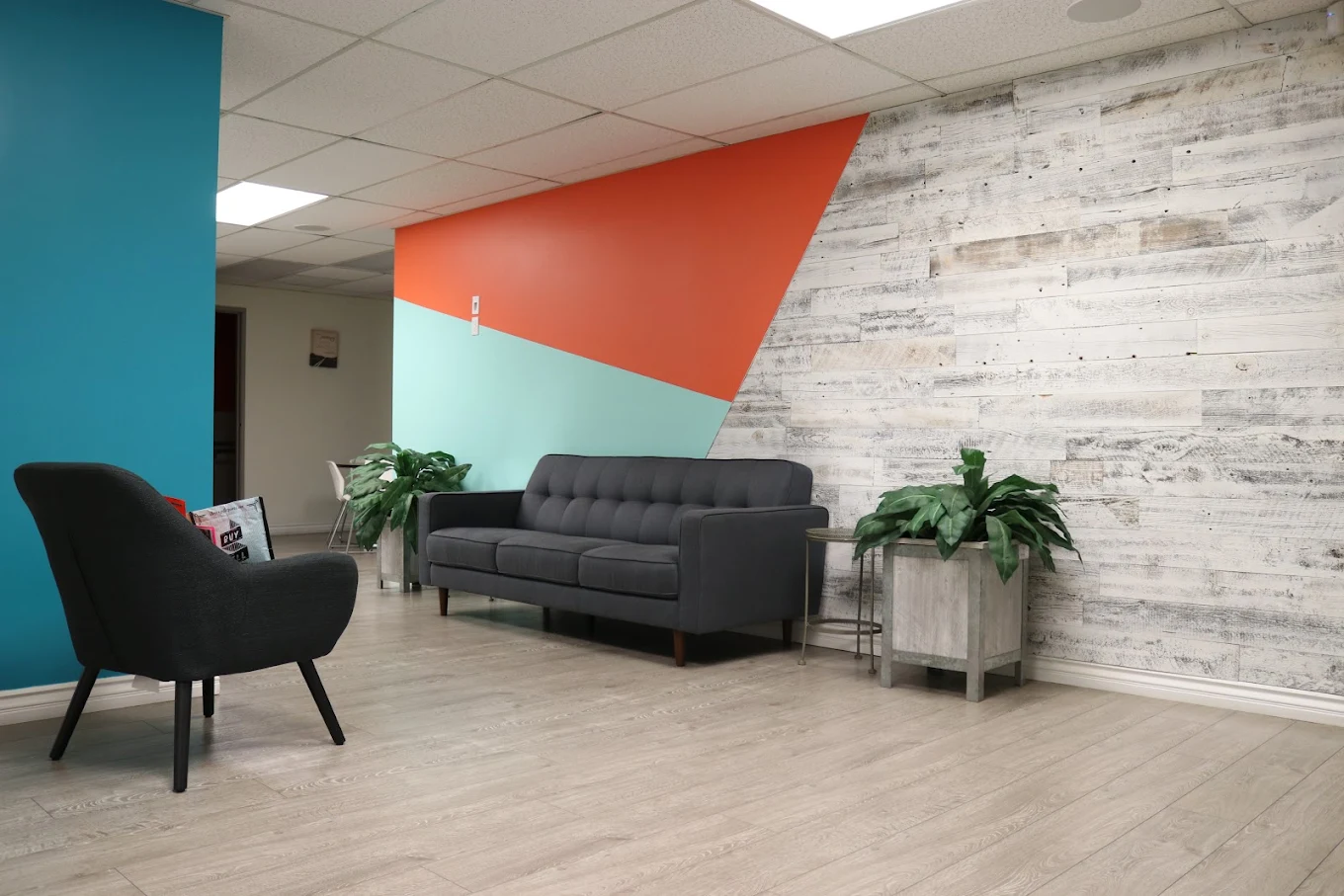
Our Facilities


Testimonials & Reviews


Posted on GoogleTrustindex verifies that the original source of the review is Google. I am a recent client just retuning home from Healthy Life Recovery in San Diego, California. My intention was to stay only 30 days, however, I stayed almost one year. The staff is extremely knowledgeable and kept me engaged. I stayed at two sober living homes throughout my stay and they were both very clean and nice. The treatment and therapy I received was also quite helpful. I am sober today because Healthy Life allowed me to grow. I have found a new passion for life and will Forever, be grateful.Posted on GoogleTrustindex verifies that the original source of the review is Google. I’m very grateful to Healthy Life Recovery for the amazing help given to me on my sobriety journey. I’ve spent years fighting childhood trauma and with the help of my wonderful therapist, Rachel I’ve been able to move past it. I can’t thank enough the owners Ryan & Keith, the Clinical Director Dr. Bonnie or the outstanding staff. The HLR staff are a wonderful bunch of kind people who really care about others success at long term sobriety. They were fortunate enough to survive this disease and they want you or your loved one to survive too. If you are looking to get sober and Stay Sober Healthy Life will get you and Keep You There!Posted on GoogleTrustindex verifies that the original source of the review is Google. I had been struggling with some major mental issues since August of 2024, which is when I admitted myself into a mental health facility for six nights and seven days in the San Fernando Valley. I wasn't able to get the proper after care treatment in Los Angeles due to Red Tape and lack of facilities. I reached out to Mädchen Amic who is the Founder/President of the Don't Mind Me Foundation in Palm Springs, Ca.I worked with her on Twin Peaks , Then Twin Peaks:The Return, and knew about her Foundation, and let her know my current situation. She was aware my past struggles. She contacted Keith Blanenship, who is the Executive Director at Healthy Life Recovery in San Diego,Ca.Within minutes, Keith contacted me. After a few minutes on then phone, He invited me down to check out their programs and facilities. The next day I drove down and was greeted by Keith. He gave me a guided tour of their operations. I was then introduced to Bonnie Mitchell, who is the Clinical Director at Healthy Life Recovery.Within seconds, I knew I had found the right home to get the help needed.What I didn't realize is that Mädchen had arranged a sponsorship thru The Don't Mind Me Scholarship Fund. I checked in two days later and had my Intake meeting with Bonnie. When that ended, I was then sent to my house I would be living at for a undecided amount of time. I want to thank Jody (House Captain) and my other six roommates who made me feel welcome and relaxed during my stay. My day consisted of four classes, medical checkups and weekly one on ones with Bonnie. Weekend events such as giving back to the community (Trash Clean Ups, Graffiti Removal), Hiking, Kickball, Volleyball, Softball, Canoeing are just some of the weekend events provided. After three weeks I felt I was ready to get back home, which was a tough decision because I enjoyed every second of my experience at Healthy Life Recovery. I am am now on their Out Patient program which includes daily assignments, Telehealth appointments and in person appointments with them once a month.I enjoy having the opportunity to still be involved with Healthy Life Recovery. I am now part of their Alumni Group, which means I can share my story with people with the same issues I have, and to inspire them the way I have been. I want to thank all of the staff and fellow clients at Healthy Life recovery. for helping me getting my life back on track.Posted on GoogleTrustindex verifies that the original source of the review is Google. I definitely wanted to add a positive review from my time at Healthy Life. Recently finished my program and I am cannot say enough good things about their program or “community” of staff / clients / owners. Like many, I have been in many rehabs and sober living houses and almost always felt like a number or just money for the programs. I came out to California for rehab and everyone there served as a secure replacement for family at home. To my surprise, I found nearly everything from their groups, community outings, individual therapy, and options for exercise / MMA training the perfect combination for myself. Added, I have sat through endless rehab groups over the years and basically watched the clock for them to end. Healthy Life’s groups and therapy actually sunk into my stubborn head. The therapists / case managers / group facilitators are very knowledgeable and organized with goals to better you emotionally and physically. Anyways, I will always be grateful for my time in their program, something I cannot say for most of my rehab experiences.Posted on GoogleTrustindex verifies that the original source of the review is Google. Healthy life saved my life and I am so grateful to them. The staff were super understanding and compassionate. I was able to process and accept a lot of my life through individual therapy as well as group therapy with my peers.Posted on GoogleTrustindex verifies that the original source of the review is Google. Healthy Life Recovery is place to recover, change your life, and make connections with people trying to do the same thing. There are sober housing options as well. Basically Healthy Life is a key into a fantastic recovery community, as well as the knowledge you walk away with. They really teach you "how to fish sober" at this place. Big shout out to all the staff as well everyone I met really fostered growth. THANK YOU HEALTHY LIFE.Posted on GoogleTrustindex verifies that the original source of the review is Google. I’ve been deeply grateful for the benefits I received from their program. The group sessions bring together individuals from very diverse backgrounds, often creating powerful spaces for vulnerability, insight, and moments of real healing. That said, true recovery begins when you make a wholehearted commitment to yourself and take full accountability for your journey. After all, you’re the only one who is with yourself 24/7. During the group sessions, be honest and open. Listen not only to the facilitators, but also to your fellow peers—everyone has something valuable to offer, especially when the group is engaged and present. Healing is possible—and it begins with you. Good luck!Posted on GoogleTrustindex verifies that the original source of the review is Google. I went to HLR for a year and it is hands down the best program in SD. The staff go above and beyond for the clients and truly care about their well being. I would recommend HLR to anyone looking to get better.

Medically Reviewed By:
Dr. John Allen, MD is a psychiatrist in El Cajon, CA and has over 45 years of experience in the medical field. Dr. Allen has extensive experience in Addiction & Substance Abuse and Psychotic Disorders. He graduated from Baylor University in 1976.