
San Diego Dual Diagnosis Treatment Center
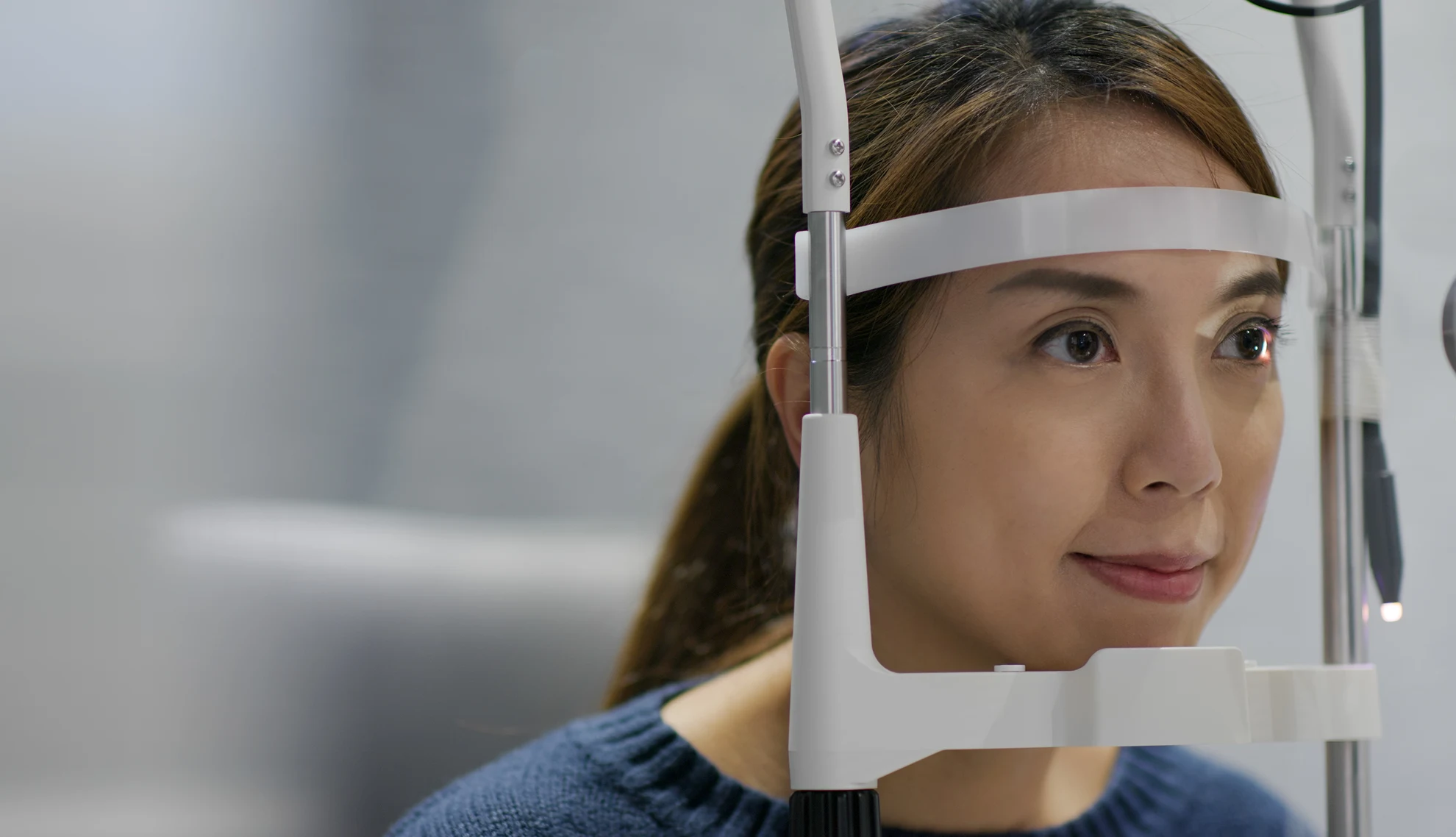

The brain, an intricate web of interconnected neurons, is the epicenter of human cognition, emotions, and behaviors. Its health and functioning are paramount to our daily lives, influencing everything from our simplest decisions to our most profound memories. Given its complexity, it’s hardly surprising that the introduction of external substances, particularly narcotics and alcohol, can deeply alter its natural rhythms and structures. Chronic exposure to mood and mind-altering substances can lead to both short-term disruptions and long-term damages, affecting not just the individual’s mental health but also their physical well-being, relationships, and overall quality of life.
Modern medical advancements, like quantitative electroencephalography (qEEG) or brain mapping, offer unprecedented insights into these changes, allowing medical professionals to diagnose, treat, and even predict neurological and psychological issues stemming from substance use. As we gain a better understanding of the profound impacts of different drugs on the brain, it becomes evident that comprehensive care, integrating both medical interventions and conventional therapy, is imperative for successful recovery and holistic well-being.
At Healthy Life Recovery, we believe in utilizing advanced diagnostic tools to help our patients achieve their best mental and emotional health. One of these tools is QEEG Brain Mapping, a state-of-the-art method to understand the intricate patterns and functions of the brain.
QEEG stands for Quantitative Electroencephalogram. It’s a diagnostic tool that measures electrical activity in the form of brain wave patterns, often referred to as “brain mapping.” These brain waves are rhythmic impulses that occur when the countless neurons in the brain communicate. They can provide insights into your overall brain function, stress levels, emotional responses, and even potential symptoms such as anxiety, impulsivity, and cognitive rigidity.
At Healthy Life Recovery, we are dedicated to the specialized care of addiction and mental health. We understand the unique challenges faced by our patients and use QEEG among other tools to formulate personalized treatment plans. We use a CGX system that has a reputation for designing the most accurate data-rich dry EEG systems for researchers and practitioners.

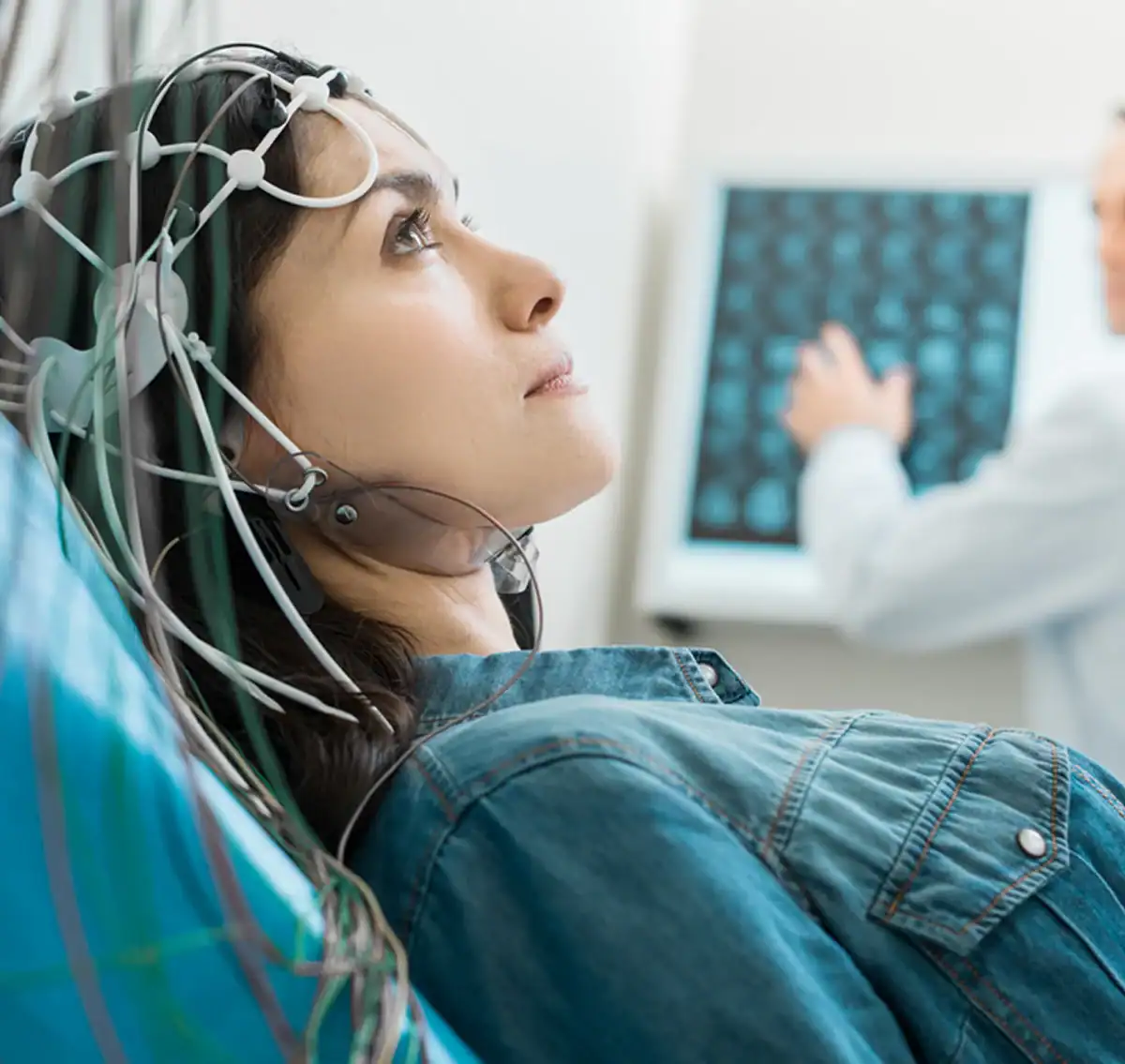
Quantitative Electroencephalography, commonly referred to as qEEG, represents a groundbreaking stride in neuroscience and mental health diagnostics. This state-of-the-art technology captures detailed electrical patterns of the brain, offering a nuanced, real-time visualization of its activity. By mapping out these intricate neural pathways, qEEG provides unparalleled insights that go beyond traditional diagnostic methods. The advantages of this technology span various facets of mental health care, from early detection to tailor-made treatment plans. Below, we delve into the myriad benefits of qEEG, underscoring its transformative potential in modern medicine:
Quantitative Electroencephalography (qEEG) is an advanced diagnostic tool that provides a detailed look at the electrical activity in the brain. While this technology has broad applications, it holds particular significance for individuals with mental health disorders. By illuminating the unique neural patterns associated with each condition, qEEG can aid in more precise diagnoses and treatment plans. Here are some of the mental health disorders where qEEG can offer significant benefits:

In ADHD patients, qEEG can spotlight irregularities in brainwave patterns, especially in areas responsible for focus and impulse control, helping in distinguishing ADHD from other conditions with similar symptoms.
qEEG can identify areas of the brain that are hyperactive or underactive, often providing insights into the underlying neural mechanisms of anxiety, from generalized anxiety disorder to panic disorders.
For those struggling with depressive disorders, qEEG can reveal abnormal brainwave patterns that may correlate with the severity and type of depression. This can lead to more targeted therapeutic interventions.
This tool can help detect anomalies in brainwave activity linked to schizophrenia, providing valuable information about the disorder’s progression and potential interventions.
qEEG can offer insights into the cyclical nature of bipolar disorder by mapping the brain’s electrical patterns during manic and depressive episodes.
For those who have experienced trauma, qEEG can trace abnormalities in brain function that might be causing flashbacks, heightened arousal, or avoidance behaviors.
With qEEG, clinicians can observe neural patterns associated with compulsions and obsessions, guiding more effective therapeutic strategies.
qEEG can aid in understanding the brain function variations in individuals with autism, which can assist in tailoring interventions to the person’s specific needs.
As addiction affects neural pathways, qEEG can provide insights into the brain’s response to various substances and can be a tool in monitoring recovery and potential relapses.
The above are just a few examples, and the applications of qEEG are vast. For anyone facing neurological or psychiatric conditions or for those seeking a deeper understanding of their brain’s function, qEEG offers an invaluable perspective.

QEEG’s value is further emphasized by extensive research backing its efficacy across various clinical scenarios:
While the brain is a powerful organ responsible for various essential functions, it’s also vulnerable to the impact of drugs and alcohol. Continuous exposure to mood and mind-altering substances, as seen in addiction, profoundly influences both brain activity and chemistry. Each intoxicant uniquely affects the brain, with lasting consequences if not appropriately addressed.
Much like an interconnected electrical grid, our brains comprise “hubs” that interlink various functions, from memory and decision-making to emotional processing. These vital hubs suffer during prolonged addiction, manifesting in symptoms like attention deficiency, memory loss, anxiety, depression, and other psychological challenges.
Most narcotics, including alcohol, prompt the brain to release abnormal levels of dopamine, a neurotransmitter integral to the brain’s reward system (known as the Limbic System). Chronic users often exhibit disrupted neural pathways for dopamine and other crucial neurotransmitters. Recovery involves repairing these pathways.
Moreover, each drug uniquely impacts the brain:
Chronic alcohol abuse can negatively impact blood flow to the brain, especially affecting metabolism within the frontal lobes, which are responsible for functions like motor control, memory, problem-solving, judgment, language, and impulse regulation. Thankfully, with appropriate treatment and abstaining from alcohol, it’s possible for the frontal lobe to heal and regain its standard functionality.
Prolonged methamphetamine use damages the frontal lobe neurons, notably leading to significant dendrite loss—the extensions of nerve cells vital for transmitting electrochemical messages. This damage is indicative of methamphetamine-induced brain harm. Additionally, methamphetamine addiction correlates with diminished activity in the prefrontal cortex, particularly influencing decision-making processes.
The repercussions of unaddressed cocaine abuse can be severe, affecting critical areas of the brain. For instance, it impacts the amygdala, which is crucial for emotional learning. Anomalies in the amygdala’s functioning among cocaine addicts are tied to intense drug cravings. Furthermore, cocaine disturbs the anterior cingulate cortex’s operations, which is essential for emotion and memory processing. This disruption can persist even after cessation of drug use.
Regular MDMA consumption can inflict significant harm on the brain’s serotonin neurotransmitters due to chronic overstimulation. This damage can disrupt the brain’s capability to learn, manage sleep patterns, and process emotions. Given ecstasy’s suppression of basic physiological needs, like sleep and hydration, there are indirect consequences on the brain’s health and functionality.
Research confirms that most heroin or opiate users experience dysregulated neuron oscillations, affecting alpha, beta, delta, and theta brain waves. Encouragingly, quantitative electroencephalography studies indicate that brain wave patterns in recovering addicts can normalize within just three months. Nonetheless, without intervention, prolonged abuse of heroin and opiates can damage the brain’s white matter—comprising axon bundles that interconnect various brain regions.
Recognizing addiction’s complexity, we understand that it interweaves genetic, environmental, and learned behavioral factors. Unlike diseases pinned to a single gene mutation, addiction’s genetic influence is multilayered, intertwining the expressions of hundreds of genes. Substances like alcohol and narcotics can instigate persistent neuroadaptive changes by overstimulating gene regulatory mechanisms, laying the foundation for addiction.
Continuous drug consumption leaves its mark on our genetic composition, reshaping how brain cells communicate and interact. Those with substance use disorders exhibit altered cognitive thinking and reward systems, deviating from typical patterns.
At Healthy Life Recovery, we champion a nuanced perspective: addiction is a disease that demands precision and scientific intervention. By leveraging modern diagnostic tools like EEG and brain mapping, we’re committed to pinpointing and addressing the root of addiction, ensuring holistic healing.

QEEG is non-invasive and painless. The electrodes, which are placed on the scalp, merely “read” the brain’s signals without altering any activity. It’s a transparent method to determine the areas where brain wave activity is underactive, overactive, or just right.
Undergoing a QEEG test at Healthy Life Recovery is a simple and stress-free process. A cap, resembling a bathing cap but with electrodes, is placed on your head. These electrodes capture your brain’s electrical activity, which is then interpreted by our state-of-the-art software. The entire process, from recording to interpretation, takes about 30 minutes. The patterns and maps derived from the QEEG will be used to understand your brain’s function and devise a treatment plan optimized for you.
At Healthy Life Recovery, our mission is to provide holistic, data-driven approaches to addiction and mental health treatment. QEEG Brain Mapping represents one of our most advanced tools, offering a detailed insight into brain function. It allows for a nuanced understanding of individual challenges and strengths, ensuring that every patient receives care that is tailored to their unique needs.
Our center is more than just a treatment facility; it’s a community. From support groups to dedicated clinicians, we aim to create an environment where patients feel understood and supported every step of the way.
When you choose QEEG Brain Mapping at Healthy Life Recovery, you’re not just getting a diagnostic tool; you’re gaining access to a community that’s dedicated to helping you achieve mental and emotional wellness. Contact us today!


Posted onTrustindex verifies that the original source of the review is Google. I am a recent client just retuning home from Healthy Life Recovery in San Diego, California. My intention was to stay only 30 days, however, I stayed almost one year. The staff is extremely knowledgeable and kept me engaged. I stayed at two sober living homes throughout my stay and they were both very clean and nice. The treatment and therapy I received was also quite helpful. I am sober today because Healthy Life allowed me to grow. I have found a new passion for life and will Forever, be grateful.Posted onTrustindex verifies that the original source of the review is Google. I’m very grateful to Healthy Life Recovery for the amazing help given to me on my sobriety journey. I’ve spent years fighting childhood trauma and with the help of my wonderful therapist, Rachel I’ve been able to move past it. I can’t thank enough the owners Ryan & Keith, the Clinical Director Dr. Bonnie or the outstanding staff. The HLR staff are a wonderful bunch of kind people who really care about others success at long term sobriety. They were fortunate enough to survive this disease and they want you or your loved one to survive too. If you are looking to get sober and Stay Sober Healthy Life will get you and Keep You There!Posted onTrustindex verifies that the original source of the review is Google. I had been struggling with some major mental issues since August of 2024, which is when I admitted myself into a mental health facility for six nights and seven days in the San Fernando Valley. I wasn't able to get the proper after care treatment in Los Angeles due to Red Tape and lack of facilities. I reached out to Mädchen Amic who is the Founder/President of the Don't Mind Me Foundation in Palm Springs, Ca.I worked with her on Twin Peaks , Then Twin Peaks:The Return, and knew about her Foundation, and let her know my current situation. She was aware my past struggles. She contacted Keith Blanenship, who is the Executive Director at Healthy Life Recovery in San Diego,Ca.Within minutes, Keith contacted me. After a few minutes on then phone, He invited me down to check out their programs and facilities. The next day I drove down and was greeted by Keith. He gave me a guided tour of their operations. I was then introduced to Bonnie Mitchell, who is the Clinical Director at Healthy Life Recovery.Within seconds, I knew I had found the right home to get the help needed.What I didn't realize is that Mädchen had arranged a sponsorship thru The Don't Mind Me Scholarship Fund. I checked in two days later and had my Intake meeting with Bonnie. When that ended, I was then sent to my house I would be living at for a undecided amount of time. I want to thank Jody (House Captain) and my other six roommates who made me feel welcome and relaxed during my stay. My day consisted of four classes, medical checkups and weekly one on ones with Bonnie. Weekend events such as giving back to the community (Trash Clean Ups, Graffiti Removal), Hiking, Kickball, Volleyball, Softball, Canoeing are just some of the weekend events provided. After three weeks I felt I was ready to get back home, which was a tough decision because I enjoyed every second of my experience at Healthy Life Recovery. I am am now on their Out Patient program which includes daily assignments, Telehealth appointments and in person appointments with them once a month.I enjoy having the opportunity to still be involved with Healthy Life Recovery. I am now part of their Alumni Group, which means I can share my story with people with the same issues I have, and to inspire them the way I have been. I want to thank all of the staff and fellow clients at Healthy Life recovery. for helping me getting my life back on track.Posted onTrustindex verifies that the original source of the review is Google. I definitely wanted to add a positive review from my time at Healthy Life. Recently finished my program and I am cannot say enough good things about their program or “community” of staff / clients / owners. Like many, I have been in many rehabs and sober living houses and almost always felt like a number or just money for the programs. I came out to California for rehab and everyone there served as a secure replacement for family at home. To my surprise, I found nearly everything from their groups, community outings, individual therapy, and options for exercise / MMA training the perfect combination for myself. Added, I have sat through endless rehab groups over the years and basically watched the clock for them to end. Healthy Life’s groups and therapy actually sunk into my stubborn head. The therapists / case managers / group facilitators are very knowledgeable and organized with goals to better you emotionally and physically. Anyways, I will always be grateful for my time in their program, something I cannot say for most of my rehab experiences.Posted onTrustindex verifies that the original source of the review is Google. Healthy life saved my life and I am so grateful to them. The staff were super understanding and compassionate. I was able to process and accept a lot of my life through individual therapy as well as group therapy with my peers.Posted onTrustindex verifies that the original source of the review is Google. Healthy Life Recovery is place to recover, change your life, and make connections with people trying to do the same thing. There are sober housing options as well. Basically Healthy Life is a key into a fantastic recovery community, as well as the knowledge you walk away with. They really teach you "how to fish sober" at this place. Big shout out to all the staff as well everyone I met really fostered growth. THANK YOU HEALTHY LIFE.Posted onTrustindex verifies that the original source of the review is Google. I’ve been deeply grateful for the benefits I received from their program. The group sessions bring together individuals from very diverse backgrounds, often creating powerful spaces for vulnerability, insight, and moments of real healing. That said, true recovery begins when you make a wholehearted commitment to yourself and take full accountability for your journey. After all, you’re the only one who is with yourself 24/7. During the group sessions, be honest and open. Listen not only to the facilitators, but also to your fellow peers—everyone has something valuable to offer, especially when the group is engaged and present. Healing is possible—and it begins with you. Good luck!Posted onTrustindex verifies that the original source of the review is Google. I went to HLR for a year and it is hands down the best program in SD. The staff go above and beyond for the clients and truly care about their well being. I would recommend HLR to anyone looking to get better.

Sean Leonard is a board-certified psychiatric nurse practitioner. He received his master’s degree in adult geriatric primary care nurse practitioner from Walden University and a second postmaster specialty in psychiatry mental health nurse practitioner from Rocky Mountain University. Sean has experience working in various diverse settings, including an outpatient clinic, inpatient detox and rehab, psychiatric emergency, and dual diagnosis programs. His specialty areas include substance abuse, depression, anxiety, mood disorders, PTSD, ADHD, and OCD.

Dr. John Allen, MD is a psychiatrist in El Cajon, CA and has over 45 years of experience in the medical field. Dr. Allen has extensive experience in Addiction & Substance Abuse and Psychotic Disorders. He graduated from Baylor University in 1976.