

Post-traumatic stress disorder (PTSD) can have devastating consequences for those with the disorder and their loved ones. In addition to the symptoms of the disorder itself, the situation can worsen as it becomes a potential cause of addiction.
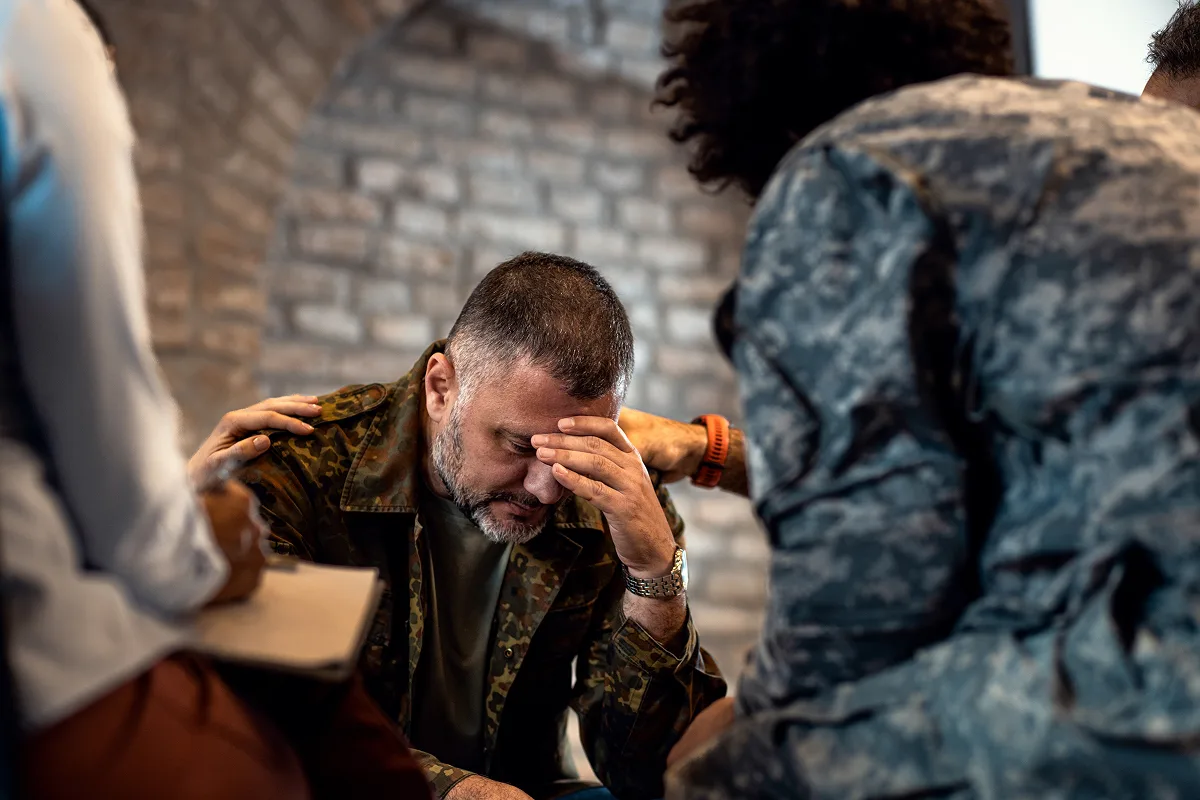
PTSD is a mental health disorder typically resulting from experiencing or witnessing an event so traumatic that it alters the person’s brain chemistry. The traumatic experience can have a lasting impact on the person, especially if left untreated. While most closely linked with military events, it can also occur as a result of everyday occurrences like car crashes, the death of a loved one, or a physical assault. Individuals who have PTSD can become anxious and depressed. They may isolate themselves from others and become increasingly agitated, irritable, and hostile toward others. In some cases, this can lead them to self-medicate, which becomes a path to substance abuse.
Substance use disorders (SUD) are not always exclusive to self-medicating. People with PTSD may also experience SUD completely separately from their trauma. However, many people who receive a PTSD diagnosis are encouraged to stay away from addictive substances.
There are various treatment options available to treat PTSD when it co-occurs with addiction. At Healthy Life Recovery, we believe it is essential to treat both conditions simultaneously.
Medical studies have established a close link between PTSD and addiction. One study published in the European Journal of Psychotraumatology found that patients who have PTSD are three times more likely to suffer from substance abuse. Another found that people seeking PTSD treatments are 14 times more likely to also receive an addiction-related diagnosis, with alcohol as the most likely substance to abuse.
Perhaps the most common cause for this comorbidity is the desire for individuals with PTSD to self-medicate. They hope that the numbness they experience from consuming a substance like alcohol will reduce or even eliminate their PTSD symptoms. For example, PTSD patients commonly experience trouble sleeping. Consuming alcohol may help a person fall asleep, which can lead a person to get into the habit of drinking alcohol every night before bed. However, alcohol-influenced sleep has been proven to be less restful, and a habit of daily drinking can quickly lead to alcohol abuse and addiction.
Unfortunately, self-medication is not the only reason PTSD and addiction tend to occur concurrently. The two diseases are linked in how they alter brain chemistry due to their common triggers.
The same triggers that may lead to PTSD can also lead to alcohol and drug addiction. The key to understanding that connection lies in one of the most well-known hormones produced by the human body: endorphins, long linked to feelings of happiness.
Researchers believe that when an individual experiences trauma, their endorphin levels temporarily increase drastically. But over time, these level decrease, leading to a condition called “endorphin withdrawal.” When that condition becomes permanent, PTSD tends to set in.
Lower endorphin levels may be to blame for feelings of disconnect from loved ones or society as a whole. They are also closely connected to experiencing anxiety and depression. Finally and perhaps most significantly, low endorphin levels are also a key reason why PTSD patients tend to use alcohol to enhance their mood.
It’s true that alcohol can temporarily increases endorphin levels, which is why this substance is so closely linked to self-medicating PTSD. But it is also true that alcohol is addictive, and the long-term symptoms and consequences of Alcohol Use Disorder are significant.
The combination of PTSD and addiction can be devastating, with lifelong consequences for the individual suffering from them and their loved ones. For example, PTSD at its worst can lead to suicidal thoughts and actions. Alcohol doesn’t soothe these thoughts but instead intensifies them.

For people with PTSD, understanding whether they have a co-occurring issue with addiction is vital. That’s because only a thorough understanding of PTSD and addiction can lead to a treatment that successfully and comprehensively helps the person recover. Similarly, patients with a substance use disorder can benefit from a diagnosis that helps to discover whether PTSD may be a cause of the addiction.
A diagnosis that discovers both conditions can suggest treatments designed to care for them. Studies have examined the effectiveness of a few treatment methods that can work for both:
Healthy Life Recovery can help. Our Dual Diagnosis Treatment Center in San Diego, California, offers comprehensive addiction and mental health treatment services. We treat both drug and alcohol addiction along with the mental health disorders that exacerbate them.
It all starts with the correct diagnosis. Potential patients need to know if they have both PTSD and addiction, not just one or the other. That’s the only way to ensure that any treatment can successfully address both disorders and give the person the best chance at lasting recovery.
If you or a loved has PTSD and shows signs of addiction, contact us today.



Posted onTrustindex verifies that the original source of the review is Google. I am a recent client just retuning home from Healthy Life Recovery in San Diego, California. My intention was to stay only 30 days, however, I stayed almost one year. The staff is extremely knowledgeable and kept me engaged. I stayed at two sober living homes throughout my stay and they were both very clean and nice. The treatment and therapy I received was also quite helpful. I am sober today because Healthy Life allowed me to grow. I have found a new passion for life and will Forever, be grateful.Posted onTrustindex verifies that the original source of the review is Google. I’m very grateful to Healthy Life Recovery for the amazing help given to me on my sobriety journey. I’ve spent years fighting childhood trauma and with the help of my wonderful therapist, Rachel I’ve been able to move past it. I can’t thank enough the owners Ryan & Keith, the Clinical Director Dr. Bonnie or the outstanding staff. The HLR staff are a wonderful bunch of kind people who really care about others success at long term sobriety. They were fortunate enough to survive this disease and they want you or your loved one to survive too. If you are looking to get sober and Stay Sober Healthy Life will get you and Keep You There!Posted onTrustindex verifies that the original source of the review is Google. I had been struggling with some major mental issues since August of 2024, which is when I admitted myself into a mental health facility for six nights and seven days in the San Fernando Valley. I wasn't able to get the proper after care treatment in Los Angeles due to Red Tape and lack of facilities. I reached out to Mädchen Amic who is the Founder/President of the Don't Mind Me Foundation in Palm Springs, Ca.I worked with her on Twin Peaks , Then Twin Peaks:The Return, and knew about her Foundation, and let her know my current situation. She was aware my past struggles. She contacted Keith Blanenship, who is the Executive Director at Healthy Life Recovery in San Diego,Ca.Within minutes, Keith contacted me. After a few minutes on then phone, He invited me down to check out their programs and facilities. The next day I drove down and was greeted by Keith. He gave me a guided tour of their operations. I was then introduced to Bonnie Mitchell, who is the Clinical Director at Healthy Life Recovery.Within seconds, I knew I had found the right home to get the help needed.What I didn't realize is that Mädchen had arranged a sponsorship thru The Don't Mind Me Scholarship Fund. I checked in two days later and had my Intake meeting with Bonnie. When that ended, I was then sent to my house I would be living at for a undecided amount of time. I want to thank Jody (House Captain) and my other six roommates who made me feel welcome and relaxed during my stay. My day consisted of four classes, medical checkups and weekly one on ones with Bonnie. Weekend events such as giving back to the community (Trash Clean Ups, Graffiti Removal), Hiking, Kickball, Volleyball, Softball, Canoeing are just some of the weekend events provided. After three weeks I felt I was ready to get back home, which was a tough decision because I enjoyed every second of my experience at Healthy Life Recovery. I am am now on their Out Patient program which includes daily assignments, Telehealth appointments and in person appointments with them once a month.I enjoy having the opportunity to still be involved with Healthy Life Recovery. I am now part of their Alumni Group, which means I can share my story with people with the same issues I have, and to inspire them the way I have been. I want to thank all of the staff and fellow clients at Healthy Life recovery. for helping me getting my life back on track.Posted onTrustindex verifies that the original source of the review is Google. I definitely wanted to add a positive review from my time at Healthy Life. Recently finished my program and I am cannot say enough good things about their program or “community” of staff / clients / owners. Like many, I have been in many rehabs and sober living houses and almost always felt like a number or just money for the programs. I came out to California for rehab and everyone there served as a secure replacement for family at home. To my surprise, I found nearly everything from their groups, community outings, individual therapy, and options for exercise / MMA training the perfect combination for myself. Added, I have sat through endless rehab groups over the years and basically watched the clock for them to end. Healthy Life’s groups and therapy actually sunk into my stubborn head. The therapists / case managers / group facilitators are very knowledgeable and organized with goals to better you emotionally and physically. Anyways, I will always be grateful for my time in their program, something I cannot say for most of my rehab experiences.Posted onTrustindex verifies that the original source of the review is Google. Healthy life saved my life and I am so grateful to them. The staff were super understanding and compassionate. I was able to process and accept a lot of my life through individual therapy as well as group therapy with my peers.Posted onTrustindex verifies that the original source of the review is Google. Healthy Life Recovery is place to recover, change your life, and make connections with people trying to do the same thing. There are sober housing options as well. Basically Healthy Life is a key into a fantastic recovery community, as well as the knowledge you walk away with. They really teach you "how to fish sober" at this place. Big shout out to all the staff as well everyone I met really fostered growth. THANK YOU HEALTHY LIFE.Posted onTrustindex verifies that the original source of the review is Google. I’ve been deeply grateful for the benefits I received from their program. The group sessions bring together individuals from very diverse backgrounds, often creating powerful spaces for vulnerability, insight, and moments of real healing. That said, true recovery begins when you make a wholehearted commitment to yourself and take full accountability for your journey. After all, you’re the only one who is with yourself 24/7. During the group sessions, be honest and open. Listen not only to the facilitators, but also to your fellow peers—everyone has something valuable to offer, especially when the group is engaged and present. Healing is possible—and it begins with you. Good luck!Posted onTrustindex verifies that the original source of the review is Google. I went to HLR for a year and it is hands down the best program in SD. The staff go above and beyond for the clients and truly care about their well being. I would recommend HLR to anyone looking to get better.

Sean Leonard is a board-certified psychiatric nurse practitioner. He received his master’s degree in adult geriatric primary care nurse practitioner from Walden University and a second postmaster specialty in psychiatry mental health nurse practitioner from Rocky Mountain University. Sean has experience working in various diverse settings, including an outpatient clinic, inpatient detox and rehab, psychiatric emergency, and dual diagnosis programs. His specialty areas include substance abuse, depression, anxiety, mood disorders, PTSD, ADHD, and OCD.

Dr. John Allen, MD is a psychiatrist in El Cajon, CA and has over 45 years of experience in the medical field. Dr. Allen has extensive experience in Addiction & Substance Abuse and Psychotic Disorders. He graduated from Baylor University in 1976.