

Nutrition
San Diego Addiction Treatment Center
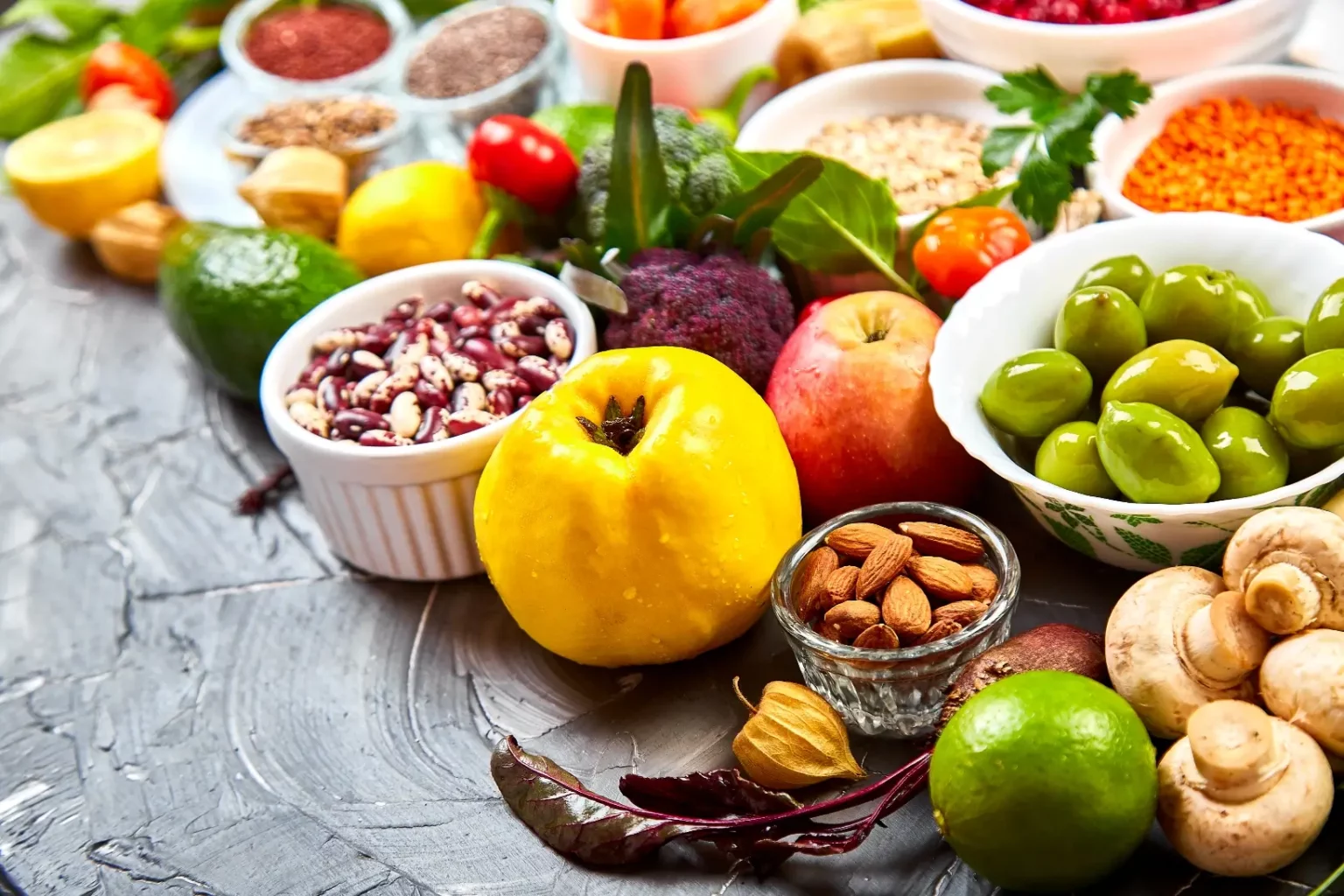
Nutrition For Addiction Recovery
A life of sobriety involves more than just abstinence from drugs. It’s about creating a healthy lifestyle that supports physical, emotional, and mental wellness. The effects of addiction reach every aspect of life, and each of these needs to heal to build strong recovery. This includes paying attention to the eating habits that became second nature during active substance abuse.
You will need a well-functioning body to carry you forward in your journey of sobriety. Healthy Life Recovery provides a thorough recovery program that includes up-to-date nutrition education. Our clients can customize their diets for their own nutritional goals.
Malnutrition with alcoholics and addicts comes from a lifestyle that’s a standard part of substance abuse. It also results from damage biochemically caused by the substances themselves. Nutrition is a low priority in a user’s life.
Addicts typically tend to see food more as a burden or pastime instead of a source of essential nutrients. Because of this, food choices are based largely on flavor, what’s most convenient, or what’s cheapest, not what’s most nutritionally sound. That often means the decision is fast food, sweets, and junk food.
An addict’s lifestyle consists of not only poor eating habits but also a lack of exercise and irregular sleep patterns, leaving their bodies in a very unhealthy state. Many people who enter treatment haven’t paid attention to their nutrition for years or may have never learned how to eat healthily. Some came from homes where good eating habits were hardly supported.
People who have abused drugs feel awful when they stop using drugs. This is partly because drugs or alcohol covered the symptoms of the body’s malnutrition state. In recovery, headaches, nausea, mental illness, low energy levels, and sleep disturbances do not only come from withdrawal, but also poor nutrition. Without proper vitamins and nutrients, the damage extends to hormones, organs, nerves, and glands.

Addiction & its Impact on Nutrition
How addiction impacts nutrition:
- You eat less or not at all – Alcohol and most narcotics suppress the appetite, and the drug itself replaces the nutrition the body needs.
- You eat lower quality food – Satisfying the cravings of addiction becomes the top priority. Eating nutritionally sound meals is hardly a concern.
- Overeating – Marijuana addicts tend to overeat, which leads to severe weight gain and all the conditions that come with excessive body fat.
- Damage to organs – Drug addiction can lead to damage to the pancreas, gastrointestinal tract, the lining of the stomach, and the liver. Damage to these organs leads to problems in digestion, nutrition storage, and nutrient absorption.
- Suppressed immune system – Drugs and alcohol can damage the immune system leaving you with little defense against illnesses and infections.
Malnutrition could also make your recovery more difficult because you can be more mentally vulnerable to anxiety, short attention spans, depression, low energy, and cravings. Food affects the brain. There is a very close connection between substance abuse, mood, and nutrition.
Hormones related to digestion can trigger pleasurable or unpleasant emotions in the brain. When your brain doesn’t have enough nutrients, its levels of neurotransmitters are off-balance, leaving you with depression, agitation, and stress. These unregulated mood states can be triggers for relapse.
Comfort eating, also known as “eating your feelings,” is when an individual uses food to cope with their emotions, not because they are hungry. Addicts are accustomed to turning to anything that helps them escape from uncomfortable feelings. Food eaten for comfort tends to be sweets and junk food. This pattern leads to out-of-control weight gain and lethargy, which leave you ultimately feeling worse.
This creates a cycle leading to more comfort eating to soothe its own consequences. Food, especially sugar, can become a cross-addiction, giving the recovering addict a mild high with a dopamine release – a small version of what they had when they were getting high. This pattern makes it more difficult for a person to stay positive and motivated, leading to a potential for relapse. Comfort eating can become a temporary way of coping with reality, that is ultimately maladaptive and self-defeating.
The recovering addict needs to engage in the empowering activity of taking control of their nutrition and be proactive with their self-esteem by making decisions that improve their quality of life. You may feel sick and tired of your addiction, but don’t leave your body feeling sick and tired with inadequate nutrition.
Better Nutrition
The benefits of better nutrition include:
- A better, more stable mood
- Higher energy level
- Better focus, longer attention span
- A stronger immunity
- Repairs damage to organs and tissues
- Build self-care habits and create a healthy lifestyle
Thorough recovery involves more than a group or individual therapy, learning new coping mechanisms, spotting triggers, or understanding emotional regulation. Those in recovery need a balanced approach that gives your body the necessary elements for a healthy life through nutrition education.

Nutrition & Substance Abuse
Alcohol
Alcohol affects the entire body. Heavy alcohol abuse physically damages major organs. Alcohol consumption also tends to replace eating, leaving the body starved of essential nutrients and functionally incapable of effective digestion. Some alcoholics take up to 50 percent of their daily caloric intake from alcohol. Alcohol has calories, but no nutrients. When alcohol replaces food in your diet, you’re not taking in the nutrients your body needs, which amplifies the toxic effects of alcohol.
Alcoholics suffer from a depletion in vitamins in the B-complex group, namely B6, B12, thiamine, and folate, all of which are involved in neurological health. They also have notable deficiencies in vitamins A, C, D, K, also minerals – zinc, calcium, phosphorus, and magnesium. Magnesium is needed for around 300 biochemical reactions in the body. Zinc deficiency causes reduced night vision, facial skin sores, and a lower sense of taste and smell. Low zinc levels are also associated with depression, confusion, irritability, and apathy. Thiamine deficiency is especially problematic because it is a foundational component of all tissues in the body.
Inadequate thiamine levels affect the functionality of the heart, leaving you open to heart disease. Thiamine also influences the brain and could leave the alcoholic liable to dementia, loss of coordination, vision problems, memory loss, and confusion. Alcohol abuse could also lead to Metabolic Syndrome, which results in high blood pressure, high cholesterol, high blood sugar, increase risk of heart disease, hypertension, and diabetes. Deficiencies in B-complex nutrients could also result in Wernicke-Korsakoff syndrome, characterized by lowered cognitive function, including memory loss and lack of muscle coordination.
A high level of alcohol intake damages the liver, whose roles are to produce proteins and to eliminate toxins. The damage to the liver makes it less capable of absorbing much-needed calcium, eventually leading to cirrhosis. Alcohol also affects the pancreas, which is responsible for regulating blood sugar levels and producing digestive enzymes. These enzymes help the digestion of fats, proteins, carbohydrates, and hormones that balance blood sugar levels. With a dysregulated blood sugar level, alcoholics are susceptible to type 2 diabetes and obesity.
The high levels of abdominal fat can lead to heart disease, high cholesterol, and an elevated risk of heart attack and stroke. Changes in blood sugar common with alcoholism have been shown to increase alcohol cravings. Damage to the stomach lining interferes with the breakdown and absorption of nutrients. You may end up with low energy levels and a weaker immune system, leaving you wide open to diseases and infections. Eventually, dental problems could arise along with skin conditions, even changes in the way food tastes. In the long term, risks include brain damage, nerve damage, liver disease, heart disease, pancreas problems, and some forms of cancer.

Opioids
Opioids include all naturally and synthetically derived drugs that are chemically based on opium. This includes heroin and medications like oxycodone (Percocet, Oxycontin), hydrocodone (Norco, Vicodin), hydromorphone (Dilaudid), fentanyl, morphine, codeine, and methadone. Opioids act on the central nervous system and slow all the body’s movements, including digestion and metabolism. The effects of long-term opioid abuse on nutrition include chronic constipation, loss of appetite, and the inability to absorb nutrients.
Those withdrawing from opioids experience symptoms like diarrhea, nausea, vomiting. These symptoms lead to dehydration, loss of nutrients, and imbalances of electrolytes such as potassium, sodium, and chloride.
Many opioid abusers report intense sugar cravings. Sugar addiction can contribute to a biochemical state that perpetuates opioid dependence. Those in recovery should dramatically reduce sugar intake to eliminate this reward
Stimulants
This category consists of crystal methamphetamine, cocaine, and ADHD medication. Most people who abuse stimulants don’t feel hungry. They are left malnourished and underweight. Stimulants are closely associated with eating disorders like anorexia or binge eating after a run of heavy use. Other effects include memory loss, malnutrition, anxiety, paranoia, and insomnia. Stimulants speed up the activities of the brain and nerves and charge up the body’s metabolic rate.
Those whose drug of choice is a stimulant enter treatment underweight, dehydrated, and muscular deficient. Many times they lack vitamin A, vitamin C, the B vitamins, and iron, including electrolytes like calcium and potassium. Stimulant abuse often leads to a deficiency in omega-3 fatty acids, which contribute to the regulation of mood and the prevention of depression and anxiety.


Marijuana
One of the chemical compounds of marijuana, tetrahydrocannabinol (THC), ignites the appetite. Even the average user gains excessive weight as they commonly crave sugary, high-fat junk food while they are under the influence. Binge eating, or “having the munchies,” is a well-known part of using marijuana.
The super-charged appetite and high caloric intakes come with the standard set of consequences of uncontrolled eating. This includes a host of risks: excessive weight gain, heart disease, high blood pressure, stroke, diabetes, cancer, and sleep apnea.
Nutrition for a Sober Life
Nutrition for a new healthy life in recovery
- Eat less fast food and go with healthy, unprocessed meals
- Eat a wide selection of food from all the food groups
- Eat food rich in fiber
- Don’t skip meals, especially breakfast
- Taper off caffeine. Keep intake to under two cups of coffee, tea, or soda per day
- Keep sugar intake as low as possible
- Stay hydrated. Drink lots of water or other non-caffeinated, unsweetened beverages.
- Talk to your doctor about taking multivitamins or vitamin supplements
- Limit intake of salt and high sodium foods
- Keep healthy snacks available all times
- Be active. Exercise daily.

Essential Nutrition
Vitamins and Minerals
Vitamins and minerals are two main types of micro-nutrients with specific roles to keep your body functioning correctly. Inadequate amounts of vitamins and minerals can have serious side effects. A lack of thiamine (vitamin B-1) may lead to Wernicke-Korsakoff syndrome. Low levels of iron, folate, or B vitamins can result in symptoms like depression, fatigue, poor attention, and sleep disturbances. Healthy sources of vitamins and minerals include fruits, vegetables, seeds, beans, peas, dairy, peanuts, and whole-grain bread or cereal.
Carbohydrates
Carbohydrates are macronutrients that provide the body with energy, help with brain function, and keep blood sugar stable. Eating food with complex carbohydrates like bread, pasta, root vegetables (potatoes, carrots), legumes (beans, lentils, peas) helps regulate levels of serotonin in the brain. Serotonin supports a positive, stable mood, and assists with healthy sleep cycles. Carbohydrate intake releases insulin that is used for energy and helps tryptophan enter the brain. Folic acid and vitamins B6 and B12 assist the synthesis of tryptophan to serotonin. Reliable sources of carbohydrates include nuts, beans, vegetables, potatoes, whole fruit, and low-fat dairy.
Fiber
Fiber is a type of carbohydrate that lowers blood cholesterol and helps regulate blood sugar. Fiber also enables food to move through the digestive system. Fiber relieves constipation, which is symptomatic of opiate abuse. High blood sugar and dangerous cholesterol levels can come from a diet low in fiber. Healthy sources of fiber include tomatoes, nuts, oatmeal, carrots, apples, nuts, beans, brown rice, and wheat bread.
Away from Triggers
Traveling out of state, particularly from the bustling environments found in Virginia to the calm of California, can provide a necessary mental and physical break from daily routines and triggers. This geographical separation is crucial for breaking old patterns and fostering new, healthier habits.
Networking and Support Groups
With one of the largest and most diverse recovery communities, California offers extensive support groups and networking opportunities. Here, you can connect with peers who understand your journey, offering encouragement and support that are vital for successful recovery.
Protein
Protein builds and repairs every cell in the body. It is vital for muscle and connective tissue. Protein also helps produce hormones and neurotransmitters. Amino acids are the building blocks of proteins and are crucial to neurotransmitters. A lack of neurotransmitters, especially dopamine and serotonin, can trigger an individual to find relief by returning to substance abuse. The immune system’s strength depends mostly on protein intake. While many drugs weaken the immune system, a diet low in protein doubles the problem and cripples the immune system. Good sources of protein include nuts, beans, low-fat dairy, eggs, fish, and chicken.
Fat
Dietary fat is a reserve source of energy, but also plays a role in producing hormones, supporting the nervous system, and building cell membranes. Although many try to reduce fat in their diets, not all fat intake is unhealthy. There are fats that the body needs but can’t produce on its own. These are known as ‘essential fatty acids.’ Omega-3 and omega-6 fatty acids help keep the production and activity of neurotransmitters smooth, and therefore directly influence mood. A diet with excessive unhealthy fat can result in obesity and a host of health problems. Some good sources of dietary fat include nuts, olive oil, seeds, dairy, and fish.
Water
Water is an indispensable staple for a healthy diet. The liver and kidneys use water to perform their functions. Water prevents constipation, lubricates joints, protects internal organs, and aids in the absorption of other nutrients. Dehydration can lead to disorientation, trouble concentrating, and irritability. Dehydration can arise during the detox process, and it is even more imperative that those in early recovery take in enough fluids.
Fueling Your Recovery
Vitamins and Minerals
Several factors influence a person’s desire to stick with long-term sobriety. These factors can be positively strengthened by maintaining a healthy diet but can be negatively affected by poor nutrition.
Energy, motivation, and resilience – starting a new life of sobriety come with many personal challenges and obstacles. It takes effort and perseverance to build new habits and coping mechanisms. Healthy eating can supply the energy and drive to face all the necessary life adjustments. Malnutrition can leave you feeling heavy and weighed down. You will feel drained of strength to keep forward progress.
Attention and focus
Recovery is a process of becoming aware of yourself and your environment. It’s a process of paying attention to new information and opening your awareness to what’s going on within. Proper nutrition will support strong attention spans.
A healthy diet will help you focus and process what you’re learning about yourself on a deeper level. Poor eating habits leave you easily distracted and mentally cloudy. It’s a state that’s not conducive to learning a new way to think and live.
Self-confidence, mood, and self-esteem
a positive sense of self-worth strengthens your drive to face life’s challenges. You’ll realize that you’re worthy of a sober, healthy life. You’ll feel capable of using the tools of recovery to build the kind of productive life you’ve always wanted. Balanced eating habits give your mood stability, while malnutrition makes your body feel the weight of depression and anxiety.
Ability to face cravings and overcome them
Cravings and temptations to relapse are normal parts of recovering from substance abuse. Resisting these cravings takes emotional and physical stamina. Malnutrition and vitamin deficiencies will intensify cravings and give you the illusion that you need to get high or drunk to feel better. The more mentally and physically healthy you are, the easier it is to remember that you don’t need to turn to drugs or alcohol to make it through life.
Our Facilities





Testimonials & Reviews


Posted onTrustindex verifies that the original source of the review is Google. I am a recent client just retuning home from Healthy Life Recovery in San Diego, California. My intention was to stay only 30 days, however, I stayed almost one year. The staff is extremely knowledgeable and kept me engaged. I stayed at two sober living homes throughout my stay and they were both very clean and nice. The treatment and therapy I received was also quite helpful. I am sober today because Healthy Life allowed me to grow. I have found a new passion for life and will Forever, be grateful.Posted onTrustindex verifies that the original source of the review is Google. I’m very grateful to Healthy Life Recovery for the amazing help given to me on my sobriety journey. I’ve spent years fighting childhood trauma and with the help of my wonderful therapist, Rachel I’ve been able to move past it. I can’t thank enough the owners Ryan & Keith, the Clinical Director Dr. Bonnie or the outstanding staff. The HLR staff are a wonderful bunch of kind people who really care about others success at long term sobriety. They were fortunate enough to survive this disease and they want you or your loved one to survive too. If you are looking to get sober and Stay Sober Healthy Life will get you and Keep You There!Posted onTrustindex verifies that the original source of the review is Google. I had been struggling with some major mental issues since August of 2024, which is when I admitted myself into a mental health facility for six nights and seven days in the San Fernando Valley. I wasn't able to get the proper after care treatment in Los Angeles due to Red Tape and lack of facilities. I reached out to Mädchen Amic who is the Founder/President of the Don't Mind Me Foundation in Palm Springs, Ca.I worked with her on Twin Peaks , Then Twin Peaks:The Return, and knew about her Foundation, and let her know my current situation. She was aware my past struggles. She contacted Keith Blanenship, who is the Executive Director at Healthy Life Recovery in San Diego,Ca.Within minutes, Keith contacted me. After a few minutes on then phone, He invited me down to check out their programs and facilities. The next day I drove down and was greeted by Keith. He gave me a guided tour of their operations. I was then introduced to Bonnie Mitchell, who is the Clinical Director at Healthy Life Recovery.Within seconds, I knew I had found the right home to get the help needed.What I didn't realize is that Mädchen had arranged a sponsorship thru The Don't Mind Me Scholarship Fund. I checked in two days later and had my Intake meeting with Bonnie. When that ended, I was then sent to my house I would be living at for a undecided amount of time. I want to thank Jody (House Captain) and my other six roommates who made me feel welcome and relaxed during my stay. My day consisted of four classes, medical checkups and weekly one on ones with Bonnie. Weekend events such as giving back to the community (Trash Clean Ups, Graffiti Removal), Hiking, Kickball, Volleyball, Softball, Canoeing are just some of the weekend events provided. After three weeks I felt I was ready to get back home, which was a tough decision because I enjoyed every second of my experience at Healthy Life Recovery. I am am now on their Out Patient program which includes daily assignments, Telehealth appointments and in person appointments with them once a month.I enjoy having the opportunity to still be involved with Healthy Life Recovery. I am now part of their Alumni Group, which means I can share my story with people with the same issues I have, and to inspire them the way I have been. I want to thank all of the staff and fellow clients at Healthy Life recovery. for helping me getting my life back on track.Posted onTrustindex verifies that the original source of the review is Google. I definitely wanted to add a positive review from my time at Healthy Life. Recently finished my program and I am cannot say enough good things about their program or “community” of staff / clients / owners. Like many, I have been in many rehabs and sober living houses and almost always felt like a number or just money for the programs. I came out to California for rehab and everyone there served as a secure replacement for family at home. To my surprise, I found nearly everything from their groups, community outings, individual therapy, and options for exercise / MMA training the perfect combination for myself. Added, I have sat through endless rehab groups over the years and basically watched the clock for them to end. Healthy Life’s groups and therapy actually sunk into my stubborn head. The therapists / case managers / group facilitators are very knowledgeable and organized with goals to better you emotionally and physically. Anyways, I will always be grateful for my time in their program, something I cannot say for most of my rehab experiences.Posted onTrustindex verifies that the original source of the review is Google. Healthy life saved my life and I am so grateful to them. The staff were super understanding and compassionate. I was able to process and accept a lot of my life through individual therapy as well as group therapy with my peers.Posted onTrustindex verifies that the original source of the review is Google. Healthy Life Recovery is place to recover, change your life, and make connections with people trying to do the same thing. There are sober housing options as well. Basically Healthy Life is a key into a fantastic recovery community, as well as the knowledge you walk away with. They really teach you "how to fish sober" at this place. Big shout out to all the staff as well everyone I met really fostered growth. THANK YOU HEALTHY LIFE.Posted onTrustindex verifies that the original source of the review is Google. I’ve been deeply grateful for the benefits I received from their program. The group sessions bring together individuals from very diverse backgrounds, often creating powerful spaces for vulnerability, insight, and moments of real healing. That said, true recovery begins when you make a wholehearted commitment to yourself and take full accountability for your journey. After all, you’re the only one who is with yourself 24/7. During the group sessions, be honest and open. Listen not only to the facilitators, but also to your fellow peers—everyone has something valuable to offer, especially when the group is engaged and present. Healing is possible—and it begins with you. Good luck!Posted onTrustindex verifies that the original source of the review is Google. I went to HLR for a year and it is hands down the best program in SD. The staff go above and beyond for the clients and truly care about their well being. I would recommend HLR to anyone looking to get better.

Edited for Clinical Accuracy By
Sean Leonard is a board-certified psychiatric nurse practitioner. He received his master’s degree in adult geriatric primary care nurse practitioner from Walden University and a second postmaster specialty in psychiatry mental health nurse practitioner from Rocky Mountain University. Sean has experience working in various diverse settings, including an outpatient clinic, inpatient detox and rehab, psychiatric emergency, and dual diagnosis programs. His specialty areas include substance abuse, depression, anxiety, mood disorders, PTSD, ADHD, and OCD.

Medically Reviewed By:
Dr. John Allen, MD is a psychiatrist in El Cajon, CA and has over 45 years of experience in the medical field. Dr. Allen has extensive experience in Addiction & Substance Abuse and Psychotic Disorders. He graduated from Baylor University in 1976.