
Therapy Topics That Cover All Aspects of Your Life


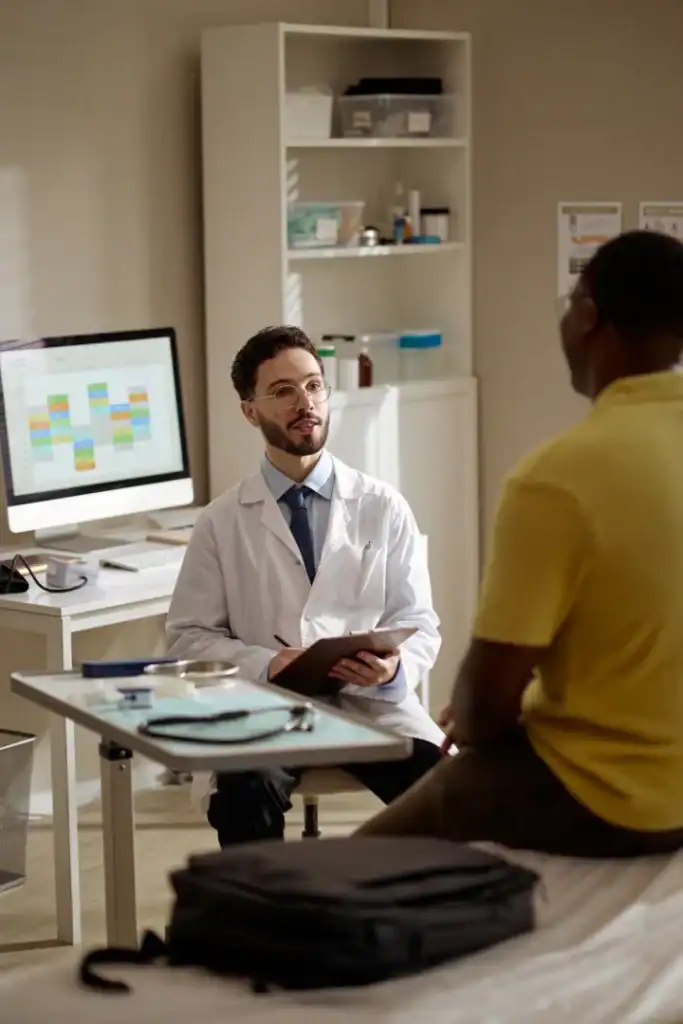
Therapy at Healthy Life Recovery is part of substance use treatment. It happens in four ways: group therapy, individual therapy, family therapy, and couples therapy. Most days include more than one.
Our program is built on one idea. Stopping is the first step. Building a healthy life is the treatment. Therapy is where you practice the skills that make that life possible: handling cravings, saying no, getting through a hard conversation, and thinking a decision through before you act on it.
Your care team includes Licensed Clinical Social Workers (LCSWs), Registered Alcohol and Drug Technicians (RADTs), behavioral health technicians, and supervised clinical interns. Each has a different role. Licensed clinicians lead therapy. Behavioral health technicians support you through the day, at the center and on outings.
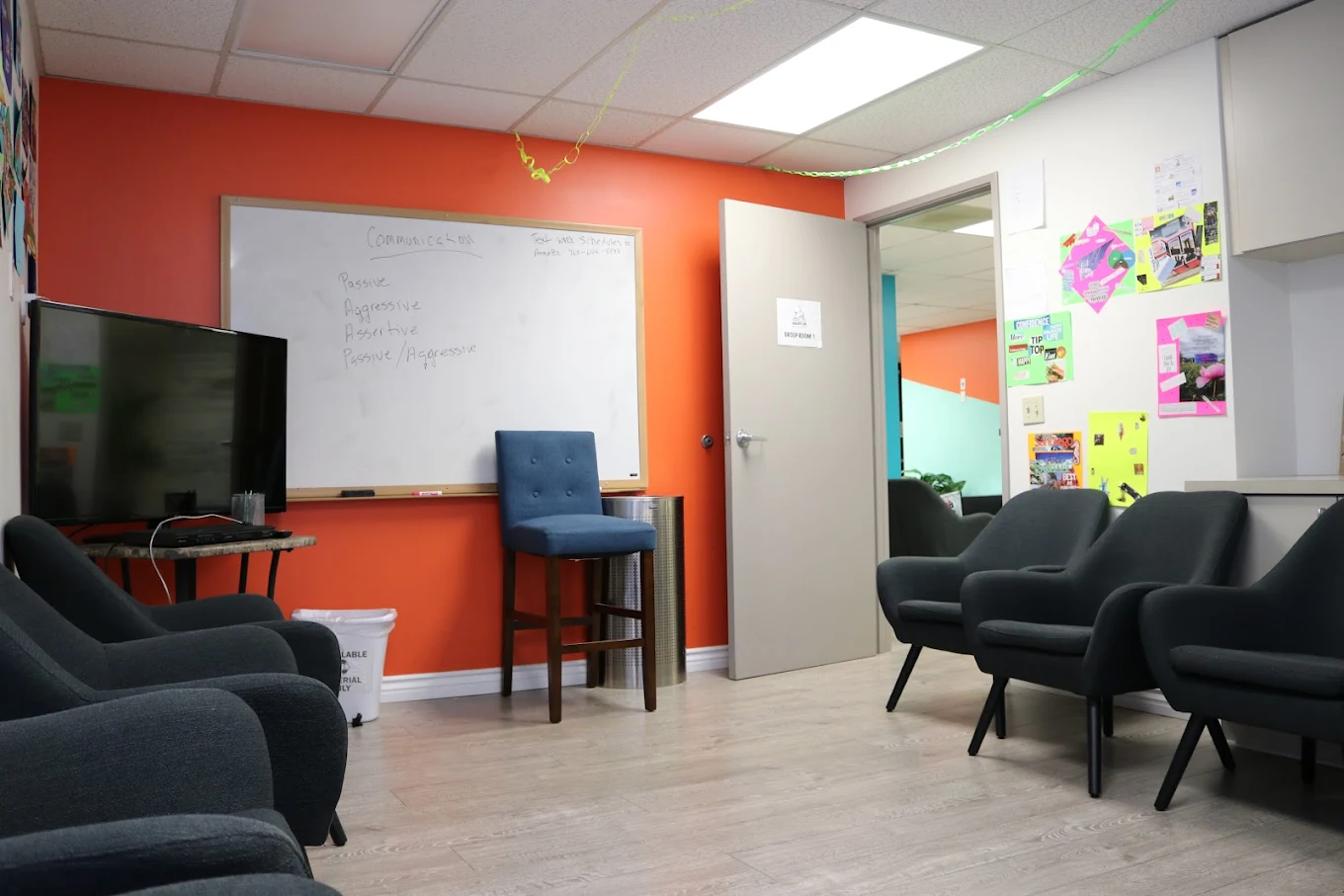
Group therapy is the center of the treatment day. You meet with a small group of peers and a member of the clinical team to work through a topic together. Hearing how other people handle the same problems is often where things start to click.
Our groups follow a structured curriculum that runs 36 weeks. Group topics rotate daily, and nothing repeats during those 36 weeks, so each session builds on the ones before it. The team updates the curriculum with the most recent information available, so the material stays current. The 36 weeks describe the curriculum, not how long you’ll stay. Your length of stay depends on you and your level of care.
Each day brings a different group. Here’s what each one covers and how it applies to recovery.
CBT looks at the link between thoughts, feelings, and actions. You learn to catch a thought like “one won’t hurt” before it turns into a craving, and to choose a different response. Learn more about CBT.
DBT builds skills for strong emotions like anger, panic, or sadness. You practice pausing before you act and getting through a hard moment without making it worse. Learn more about DBT.
ACT teaches you to make room for cravings and painful feelings instead of fighting them. Then you take steps toward what matters most to you, even on hard days.
This group uses CBT skills to work through the effects of painful experiences. You learn to notice how the past shows up in your thoughts and reactions today, and how to respond in a healthier way.
You learn practical ways to handle stress, low moods, and irritability before they build up. The focus is on tools you can keep using after treatment.
Addiction often comes with losses: relationships, time, health, or opportunities. This group gives you space to grieve them and accept what you can’t change, so you can focus on what you can.
Resilience is your ability to get back up after a setback. You build habits and ways of thinking that help you keep going when recovery gets hard.
This group explores meaning, purpose, and values. It’s open to people of any faith or none, and no single belief system is required.
You learn to spot your personal warning signs and triggers early. Then you build a plan for what to do when they show up.
You work on the everyday tasks recovery depends on, like managing money, keeping a schedule, and taking care of your health. Small, steady habits make the rest of recovery easier.
You set short- and long-term goals for school, work, health, and relationships. The group helps you break big goals into steps you can start on now.
You practice saying what you need clearly and listening without getting defensive. These skills help at home, at work, and in hard conversations with family.
You look at what makes a relationship safe and supportive, and what makes it harmful. You also practice setting boundaries and getting close to people safely.
Separate groups for men and women give you space to talk about health and life issues that can be easier to discuss with people of the same gender. Hearing from peers who share your experience can make those conversations less isolating.
You work with your peers toward a shared goal. It builds trust, cooperation, and the sense that you’re not doing recovery alone.
You learn by doing instead of only talking, through activities that bring up real reactions in the moment. Afterward, the group talks through what happened and what it shows about how you handle challenges.
Creative outlets such as art, music, or writing give you a way to express what’s hard to put into words. Many people find that feelings come out more easily this way.
Games and group activities get you involved instead of sitting and listening. They make it easier to practice new skills with your peers, and they’re a reminder that you can have fun sober.
Medication-assisted treatment uses medications approved for certain substance use disorders together with counseling and other recovery services. A prescriber determines whether medication is appropriate based on the individual’s needs. MAT is not a substitute for the program’s groups, individual support, or daily recovery activities.
Some clients and family members worry that using a prescribed medication means replacing one substance with another. In appropriate circumstances, medication is a recognized component of treatment, as recognized by the Substance Abuse and Mental Health Services Administration (SAMHSA). Medication decisions belong with a qualified prescriber, and no one should change a prescription based on general website information.
Some of the most useful therapy happens outside a group room. Experiential therapy is part of the curriculum, and it ties into the four pillars of our program: community, nutrition, exercise, and education.
In practice, that can mean a group trip to the gym, where you learn to respect your body again. It can mean surfing, kayaking, or yoga by the ocean with your peers. It can mean a farmers market trip with staff, learning to shop for healthy food on a budget, including with EBT. Each activity gives you something to practice: showing up, trying something new, and having fun sober. See the four pillars.
We also take clients to support meetings of their choice, secular and faith-based. You go with your peers, and you choose what fits your beliefs.
Individual therapy is one-on-one time with a clinician. It’s where you can talk about the things that are hard to say in a group.
Addiction often sits on top of something else: pain, trauma, or years of stress. Active use can add more, like unsafe relationships, violence, and choices made just to get through the day. We treat what you lived through, and we don’t judge what you did to get by.
Individual sessions are also where you plan for life after treatment. That plan can include school, work, legal needs like probation and court requirements, and the people you want back in your life.
When someone you love is in treatment, you’re part of the process too. Family therapy brings parents, children, siblings, or other family members into sessions with a clinician.
You talk about what addiction has done to the family and what each person needs now. You work on healthy boundaries, so caring for someone doesn’t mean covering for them. You also practice new ways of talking with each other, with a clinician there to keep the conversation safe and on track.
Family therapy doesn’t promise to fix every relationship. It gives your family a place to start rebuilding, together.
Some clients add specialty services to their therapy when the clinical team thinks they fit. For trauma, EMDR and Brainspotting help you work through painful memories and experiences that are hard to put into words. That way they have less pull on your cravings and reactions.
Other services support the medical side of recovery. Medication-assisted treatment (MAT) combines medication with therapy to ease withdrawal and cravings for some substances. TMS uses gentle magnetic pulses to treat depression that occurs alongside substance use. GeneSight testing uses a cheek swab to show how your body may process certain medications, and qEEG brain mapping measures your brain’s electrical activity to help guide your treatment plan.
For some clients, ketamine treatment may be an option through our referral partners. Your care team can explain which services, if any, make sense for you.

You don’t need to know which therapies you need before you call. Most people don’t. Our admissions team can walk you through what a week of therapy looks like at each level of care, from detox to outpatient.
Therapy can fit around your life, too. Weekday groups run from 9:00 a.m. until 8:15 p.m., so you can come before work, after work, or in the evening. IOP also offers weekend programming on Saturdays, 9:30 a.m. to 12:30 p.m.
Coverage depends on your specific plan. Checking takes a few minutes and doesn’t commit you to anything.
Therapy at Healthy Life is part of treatment for substance use. If your main concern is a mental health condition without substance use, admissions can talk with you about a provider that may fit better.
No. Thirty-six weeks is the length of the group curriculum, with no topic repeating. How long you stay depends on your needs and your level of care.
Yes. Couples therapy is its own service, and your partner can take part. Admissions can explain how sessions are scheduled.
Groups are led by our clinical team, which includes Licensed Clinical Social Workers and Registered Alcohol and Drug Technicians. Supervised clinical interns may also help lead groups.
No. We take clients to support meetings of their choice, secular and faith-based. Choice is the point. You go with your peers, and you pick what fits you.
Coverage depends on your specific plan. The fastest way to find out is to let us check your benefits. It takes a few minutes and doesn’t commit you to anything.


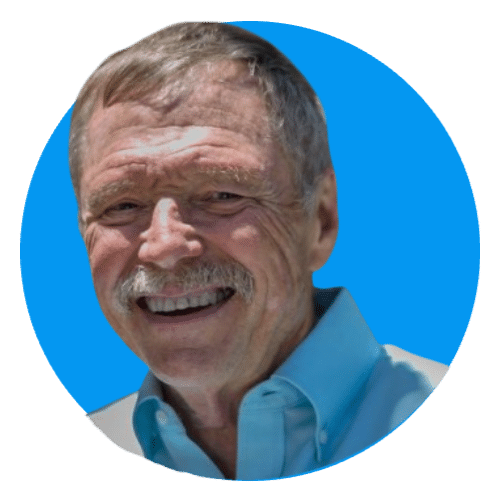
Dr. John Allen, MD is a psychiatrist in El Cajon, CA and has over 45 years of experience in the medical field. Dr. Allen has extensive experience in Addiction & Substance Abuse and Psychotic Disorders. He graduated from Baylor University in 1976.
(844) 252-8347
Healthyliferecovery@gmail.com
1010 Turquoise St. San Diego, CA 92109
Fill out the form below and we’ll respond within 24 hours.