
Get well. Keep your work within reach.

It’s hard to admit you need help when you’re used to being the person who has everything under control. Especially when you’ve worked hard to build a career and have people depending on you.
Maybe you’ve been telling yourself you’ll deal with the drinking or drug use when things slow down at work. Except work never really slows down, does it?
Meanwhile, what started as a way to unwind or get through a stressful day has become something you’re increasingly worried about. You know something needs to change, but stepping away for treatment doesn’t exactly feel like an option.
That’s why Healthy Life Recovery offers executive rehab in Southern California, with medically supervised detox and residential treatment in San Diego designed for professionals who need to stay connected to work while getting help.
Our executive program includes private accommodations and allows you to use your laptop and phone for essential work responsibilities. We work with you to plan that access around treatment, while taking your privacy seriously from the very first call.
We treat adults 18 and older whose primary concern is substance use, including those who also need mental health support. Because while your career is important, so is having a life outside of work that you actually feel good about. And that’s something worth making time for.
Taking time away from work is one thing. Feeling like you’ve completely lost control of what’s happening while you’re gone is another.
That’s why having your own space during treatment can make such a difference.
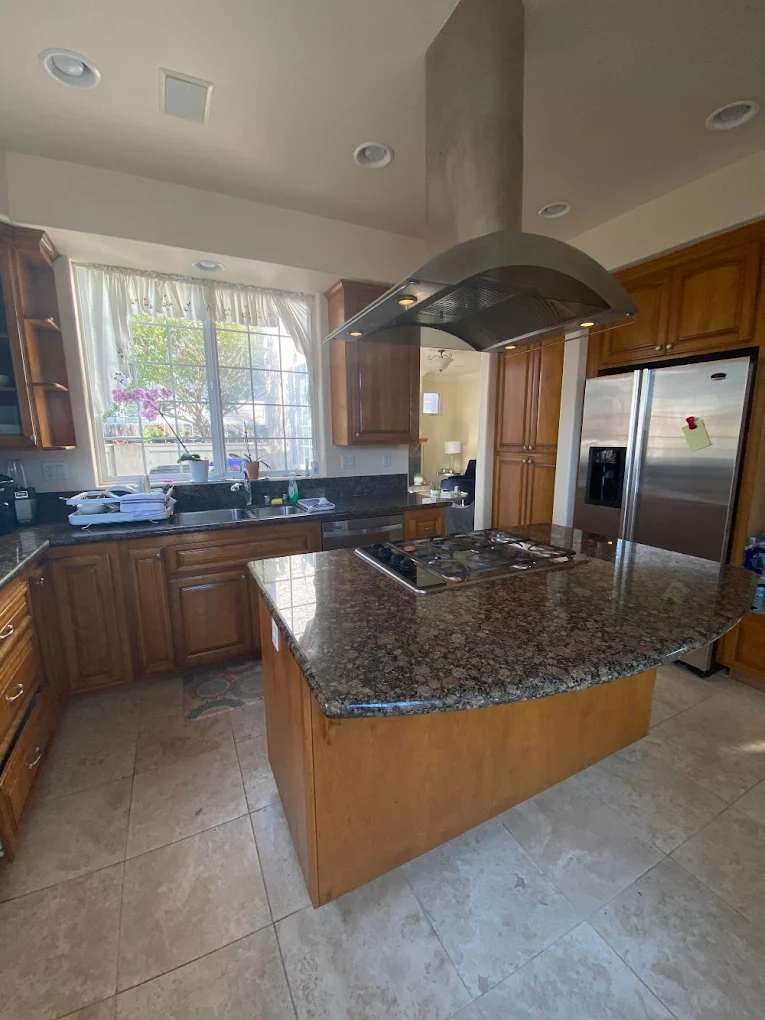
Healthy Life Recovery’s executive program offers private accommodations during detox and residential care. You have somewhere to recharge after a difficult day, along with the privacy to handle an important work matter when necessary.
You can still take care of business while taking care of yourself. That’s a pretty big deal when you’re used to being the person everyone calls when something needs to get done. Having a treatment environment that understands those responsibilities can take some of the pressure off an already difficult decision.
But there’s one thing that can’t be squeezed into a weekend or worked around a meeting: your health.
If you’ve been drinking heavily or taking benzodiazepines, trying to stop on your own can be dangerous. Withdrawal from alcohol or benzodiazepines can even be fatal without medical supervision. Healthy Life Recovery provides medically supervised detox to help you withdraw safely before moving into residential treatment.
Your work will still be there. Right now, you deserve some time and space to focus on yourself, too.
Let’s face it. If you’re running a business or managing a team, the idea of handing over your phone and being completely unreachable probably sounds pretty unrealistic. Even if you’ve arranged for someone to cover for you, there may still be things that need your attention.
The good news? You don’t have to completely disconnect from work to get help.
At Healthy Life Recovery, our executive rehab program accommodates laptop and phone use for work during treatment. That means you can respond to an email that really can’t wait or check in with your team when necessary.
Of course, there’s a balance. You’re here to get better, and that means making time for treatment. Your care team will work with you to plan work access around group therapy and individual sessions, rather than trying to squeeze treatment into whatever time is left over.
Before you arrive, it helps to think about what actually needs your attention. Maybe there are decisions only you can make, but chances are there are also quite a few things someone else could handle for a while. Figuring that out ahead of time can make it a lot easier to focus on treatment without worrying about what’s happening back at work.
You can talk through your responsibilities with admissions before starting treatment, so you’ll have a better idea of what staying connected could look like.
The goal isn’t to spend your time in rehab glued to your laptop. It’s to make room for your recovery while keeping the important parts of your professional life within reach.
For more information, read our guide on working while in rehab.
When you’ve spent years building a career and earning people’s trust, the thought of someone finding out you’re in rehab can be scary. Maybe you’re worried about what your colleagues will think, or whether getting treatment could affect your professional reputation.
Those are legitimate concerns, and you shouldn’t have to brush them aside just because you’ve decided to get help.
At Healthy Life Recovery, confidentiality is a priority from your very first call. Our executive program is designed with confidentiality in mind, with private accommodations and careful handling of your personal treatment information.
There are also federal laws that protect your privacy. Under 42 CFR Part 2, substance use treatment records have additional protections. In most situations, your records cannot be shared without your written consent, although there are some legal exceptions.
What does that mean for your job?
Generally, you get to decide what personal information you share with your employer. You may need to discuss taking time off, but that doesn’t automatically mean sharing every detail of your treatment. Depending on your circumstances, certain disclosures or legal requirements may still apply.
You can talk with our admissions team about your privacy concerns before making any decisions. We understand that discretion matters, especially when your work puts you in the public eye.
Getting help is a personal decision. You should be able to make it with a clear understanding of how your information is protected.
When was the last time you sat down and ate a really good meal without checking your phone or thinking about what you needed to do next?
When work takes over, eating well often falls pretty far down the priority list. Maybe breakfast is coffee, lunch happens at your desk, and dinner is whatever you can grab on the way home. Add alcohol or drug use to the mix, and your body may not be getting nearly enough of what it needs.
At Healthy Life Recovery, good food is part of treatment from day one. A chef with a nutrition focus prepares meals during detox and residential care, giving your body the nourishment it needs while you begin recovering from substance use.
This is especially important during detox, when your body is adjusting to life without alcohol or drugs. Eating regular, nutritious meals can help support your recovery and may help settle your stomach during withdrawal.
But nutrition doesn’t stop being important once detox is over.
Throughout treatment, you’ll learn more about meeting your nutritional needs and how food can interact with medication. You’ll also get support with changes in weight or appetite that sometimes come with recovery.
Because when you’ve spent years taking care of business, it’s easy to forget that taking care of yourself includes something as basic as sitting down and eating a decent meal.
When you’ve spent years focused on your career, it’s easy for everything else to take a back seat. Maybe you used to have hobbies you loved or friends you saw regularly. Somewhere along the way, work took over, and alcohol or drugs became your way of dealing with the stress.
At Healthy Life Recovery, we believe recovery involves more than stopping substance use. Our executive program is built around four pillars: community, nutrition, exercise, and education. They’re part of everyday treatment, helping you build a life that feels good outside the office, too.
When you’re used to being in charge, it can be refreshing to spend time with people who don’t need anything from you.
At Healthy Life, you’ll connect with peers who understand what you’re going through. That might mean attending a recovery meeting together, getting involved in an ocean cleanup, or simply learning how to have fun without alcohol.
We also help you explore different types of recovery support, including secular and faith-based options, so you can find a community that feels right for you.
Remember that chef we mentioned? Good nutrition doesn’t end when you leave the dining table.
You’ll also visit local farmers’ markets and learn practical ways to shop for food that supports your recovery. It’s about building habits you can take home, even when your calendar starts filling up again.
This is where living in San Diego has some pretty great advantages.
Surfing, kayaking, and yoga are all part of the activities Healthy Life incorporates into treatment. Clients also receive gym passes and can work out together, making movement something to enjoy rather than another obligation on the calendar.
Maybe you haven’t made time for something you love in years. Our staff will ask about your interests and help you make room for them during treatment.
Because there’s a big difference between exercising because you feel like you should and discovering something that makes you genuinely excited to get moving again.
You probably know plenty about running a business or managing people. But understanding what stress and substance use have been doing to your brain? That’s a different kind of education.
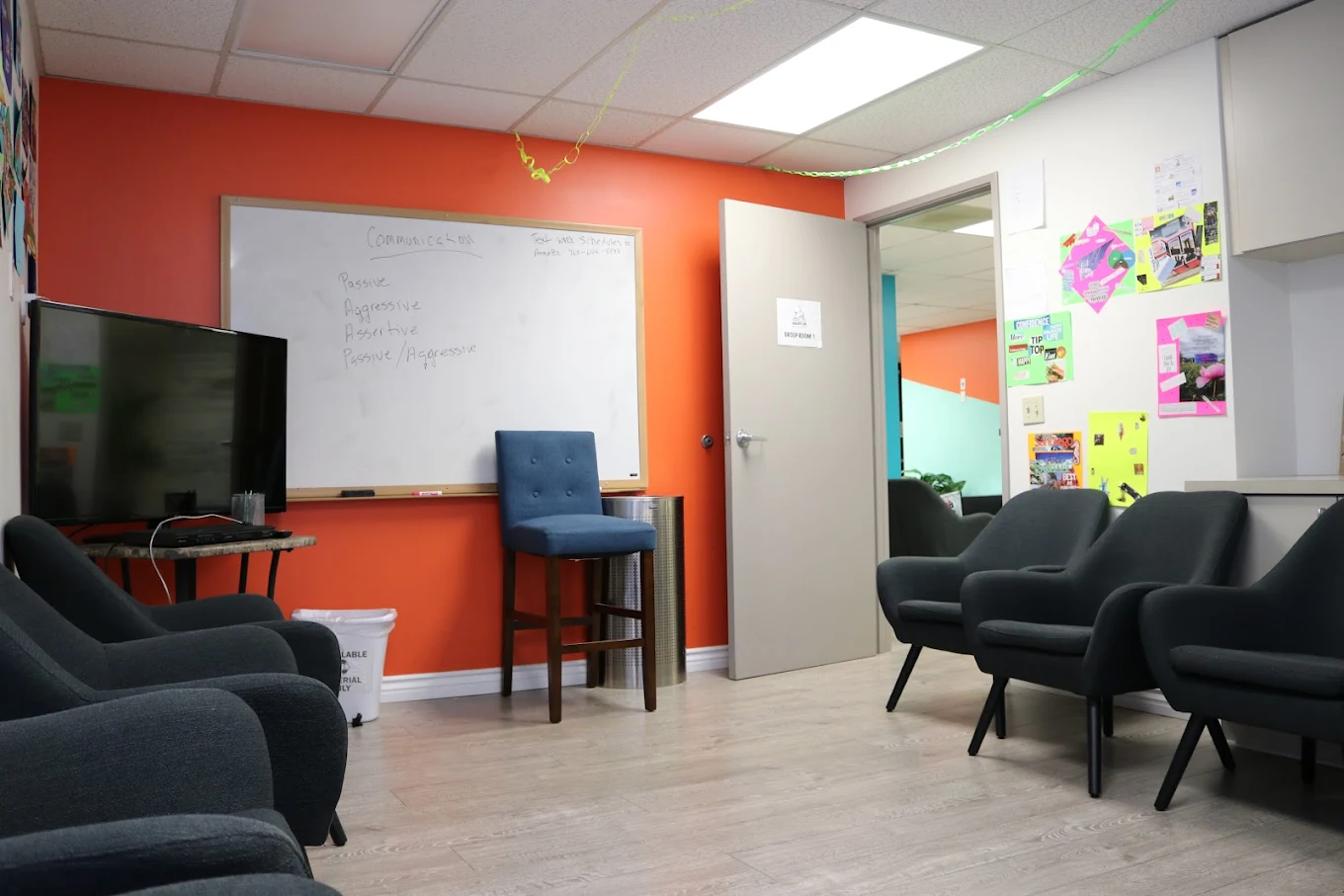
Our structured group curriculum helps you understand how substance use affects your thinking and behavior. You’ll also practice skills you can use when life gets stressful again, including recognizing triggers and pausing before reacting.
Groups include relapse prevention, Cognitive Behavioral Therapy (CBT), which helps you recognize and change unhelpful thought patterns, and Dialectical Behavior Therapy (DBT), which teaches practical ways to manage difficult emotions.
The idea is to take what you’re learning here and use it in real life, including when you’re back at work and the pressure starts building again.
Getting back to work after residential treatment can feel exciting. You’re ready for some normalcy again, and maybe even looking forward to putting what you’ve learned into practice. But returning to a busy schedule can also bring back some of the same pressures you were dealing with before treatment.
That’s why recovery support doesn’t have to end when you leave residential care.
At Healthy Life Recovery, many professionals continue treatment through our Evening Intensive Outpatient Program (IOP). Sessions run from 5:30 to 8:30 p.m., making it possible to work during the day and attend treatment in the evening.
Clients typically begin IOP five days a week, then gradually move to four and eventually three days as their treatment needs change. From there, they can transition into outpatient care with fewer weekly sessions.
It’s a way to ease back into your professional life without suddenly losing the structure and support of treatment.
We also offer family and couples counseling. After all, returning home is an adjustment for the people who care about you, too. Having a place to talk through those changes can help everyone figure out what life after residential treatment might look like.
You can get back to business while continuing to make your recovery a priority. And after everything you’ve put into getting well, that’s worth protecting.
Before you start figuring out who’s going to cover for you at work, it’s worth finding out what your insurance will actually cover.
Insurance can be confusing enough on a good day. When you’re trying to arrange addiction treatment around a demanding job, the last thing you need is another pile of unanswered questions.
At Healthy Life Recovery, we can help you verify your insurance benefits, so you have a better idea of what your plan may cover before making arrangements to step away from work. Keep in mind that verifying your benefits isn’t the same as getting treatment approved.
One thing that sometimes catches people off guard is that mental health and substance use treatment benefits may be handled separately from regular medical coverage. There might even be a different phone number on your insurance card. If your employer has a self-funded insurance plan, different rules may apply.
Then there’s the question of taking time off.
Under the Family and Medical Leave Act (FMLA), eligible employees may qualify for protected leave to receive substance use treatment from a healthcare provider. Whether you qualify depends on your employer and your employment situation, so your human resources department is a good place to start.
You don’t have to have every detail figured out before calling admissions. Getting some answers about your coverage can make the next conversation with your employer a whole lot easier.


Maybe you’ve been thinking about getting help for a while, but there’s always another meeting or something at work that needs your attention. Before you know it, another week has gone by.
At Healthy Life Recovery, our admissions team answers calls 24 hours a day. You can call after work, when you’re somewhere private and have a little breathing room to talk.
We’ll help you figure out whether you need detox first and how your work responsibilities can be accommodated during treatment. We can also discuss a possible start date that takes your obligations into account.
You don’t have to rearrange your entire life before picking up the phone. Sometimes it helps just to find out what’s possible.
Contact admissions or verify your insurance to get started.
Our main office is at 1010 Turquoise Street in Pacific Beach. We serve residents of nearby neighborhoods, including La Jolla, Mission Hills, Clairemont Mesa, North Park, and Mission Beach. When you call admissions, we’ll explain where each part of your treatment takes place.
San Diego County is huge, so our focus is on the coastal and central neighborhoods surrounding Pacific Beach. If you live elsewhere in the county, you’re still welcome to call. We can talk about your schedule and whether traveling to treatment regularly would be realistic.
Depending on your work schedule and treatment needs, yes! We offer morning, afternoon, and evening outpatient tracks, along with Saturday groups. Whether you’re working hospital shifts in La Jolla or unpredictable hours in North Park, our admissions team can help you explore a schedule that makes sense.
No. You don’t have to live in one of our nearby neighborhoods to receive treatment. Residential care and sober living may also make treatment more accessible if you live farther away. Admissions can help you understand your options.
Absolutely. Healthy Life offers family and couples counseling because substance use can affect the people closest to you, too. Having loved ones nearby can make it easier for them to attend sessions and become involved in your recovery.
Healthy Life treats adults 18 and older whose primary concern is drug or alcohol use. We also address mental health concerns alongside substance use treatment, so you can work on the issues that may be affecting your recovery.



Dr. John Allen, MD is a psychiatrist in El Cajon, CA and has over 45 years of experience in the medical field. Dr. Allen has extensive experience in Addiction & Substance Abuse and Psychotic Disorders. He graduated from Baylor University in 1976.
(844) 252-8347
Healthyliferecovery@gmail.com
1010 Turquoise St. San Diego, CA 92109
Fill out the form below and we’ll respond within 24 hours.